
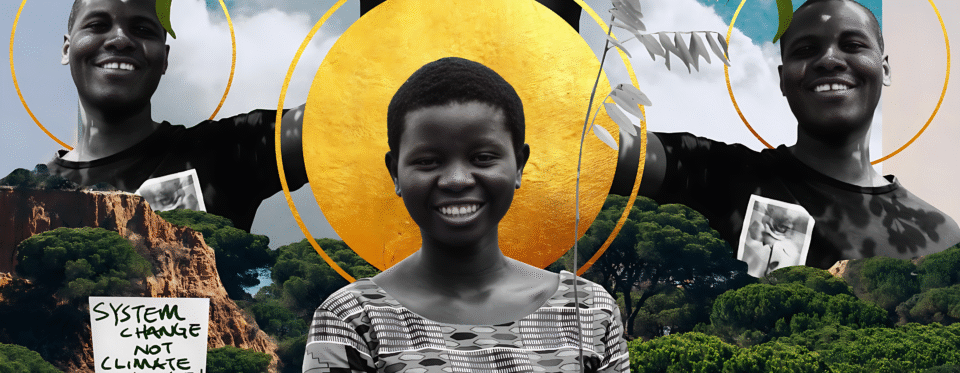
An attempt to solve poverty in the world usually entails both short-term and long-term measures to overcome systemic inequalities. More organizations operate directly in the community to deliver the basic needs such as food, clean water and shelter in times of crisis and also contribute to sustainable development by educating and empowering the economies. The advocacy aspect is vital because a policy change is pushed through campaigns to deal with phenomena such as unfair trade, wealth concentration, and climate effects that have undue impacts on vulnerable populations. These activities, in collaboration with local organizations, make sure that solutions are relevant to the needs, which promote resiliency and self-reliance. This two-fold strategy of direct assistance and structural adjustment is designed to bring about sustainable measures in economic crisis areas.
The community is a key to the war on inequality because it promotes communal action and long-term actions. Through efforts such as promoting fair labor standards or availing resources to the small farmers, stronger, more equal economies are created. Furthermore, the awareness of the global issues, like food insecurity or the consequences of war, gathers the support of the population and forms the grassroots movements. Through on-the-ground support and an attempt at driving change within the systemic level, these efforts attempt to establish a world in which opportunities are more equally shared and all can potentially enjoy a dignified and secure life.
Climate Crisis: Oxfam’s Bold Fight for Justice in a Warming World
Climate change is a formidable enemy that is transforming terrains as well as lives in a way that is devastatingly accurate especially in those areas that have had the least role to play in its causes. Oxfam has been in the centre of this crisis by directing resources and expertise to protect vulnerable communities against floods, droughts and famines which are undermining their very existence.
Oxfam has enabled local leaders to strengthen their resilience by focusing on interventions that help them to turn a threat into an opportunity by means of rising sea levels and temperatures. The activity that the organization is engaged in highlights a great reality that fairness in environmental action is not a choice but a necessity when it comes to the survival of the human race.
In such countries as Kenya, Ethiopia, Somalia and South Sudan which only contribute 0.1% of worldwide emissions, the irony of the situation hurts the most, as the extreme weather phenomena are killing people and crushing economy with their teeth. The activities of Oxfam sheds light in ways to curb this form of injustice by availing of drought tolerant seeds and fortified shelters, which can give the families time to endure the storm.
Oxfam involving themselves with the grassroots groups enables them to enable the communities to come up with their own solutions so as to create self-reliance in the wake of disaster. These attempts show the price of inaction that is human and the power of transformative thinking of collective ingenuity.
From Barren Lands to Bountiful Yields: Oxfam’s Resilience-Building Mission in Climate-Hit Regions
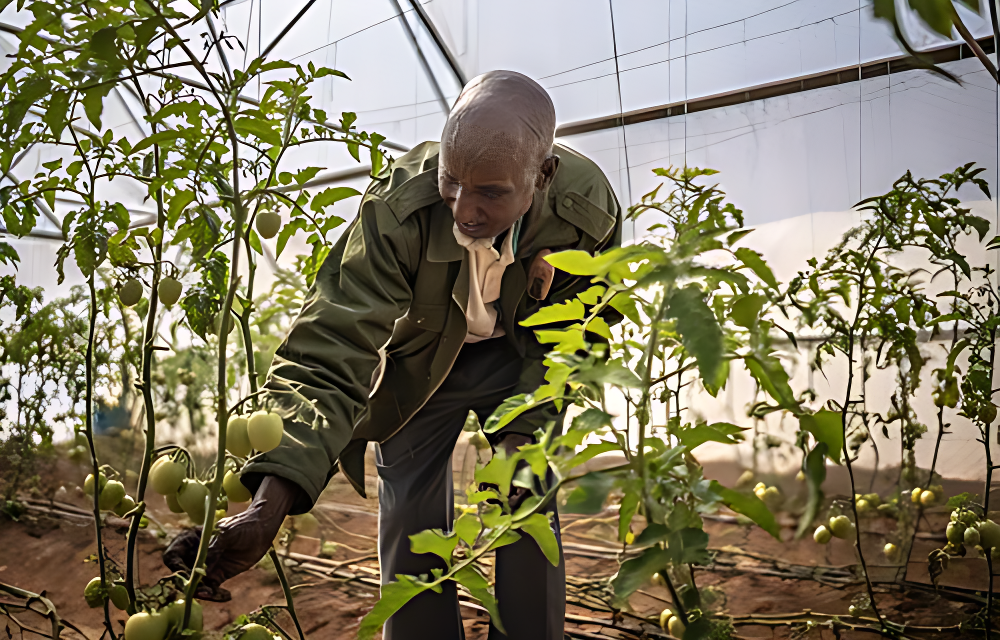
On the dry soil of Somalia, Ali Shire Omar manages colorful greenhouses full of tomatoes, which is a confirmation of the innovative work of Oxfam, which makes unproductive land fertile. The story of this farmer who transformed his state of desperation to determination is a perfect example of how a specific assistance can be used such as solar-powered irrigation and climate-sensitive farming practices to preserve food security of whole villages. The outreach through the partnership with Oxfam enables its local actors as Ali to not only survive but also prosper in life, a thing that demonstrates the fact that being adaptable is possible when resources and knowledge are combined.
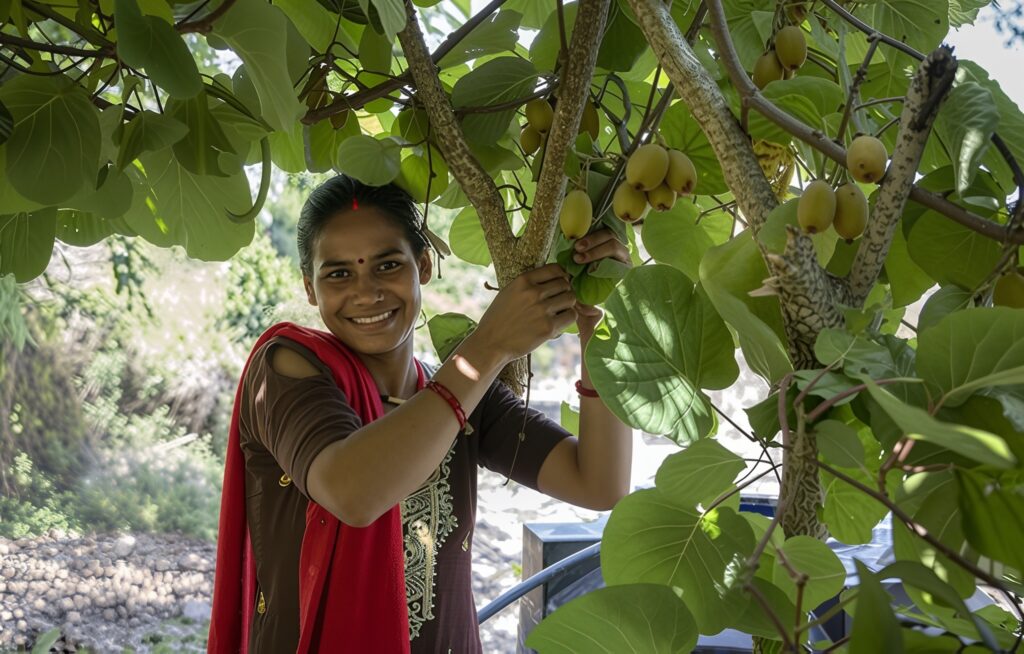
In the hilly Doti area of Nepal, Tikeshwori Malla is the leader of a women group that defends smallholder farmers against unreliable monsoons and failures of crops. With training on sustainable agriculture, Oxfam has provided these women with resources to develop robust kiwi fruits and vegetables, which have been entangled in the economic life of the women. The hopefulness that Tikeshwori conveys is palpable: hopes of a more positive future now seem real, direct product of the Oxfam guiding policy to gender-inclusive climate policies that empower the underprivileged.
Carbon Divide: Exposing the Wealthy’s Role in Climate Injustice with Hard-Hitting Data Insights
The 1% of the world population that is wealthiest, generates as much planet-heating pollution as two-thirds of the entire human population, an imbalance that is exposed in the groundbreaking report released by Oxfam, titled, Climate equality: A planent for the 99%. As the years go by, so does this chasm because the richest 10 percent, which is also only 630 million people, contributed more than 52 percent of the total carbon emissions between 1990 and 2015. The embarrassing scrutiny of the ecological debt undertaken by Oxfam in collaboration with the Stockholm Environment Institute requires a reassessment to find out who is at the receiving end of the debt.
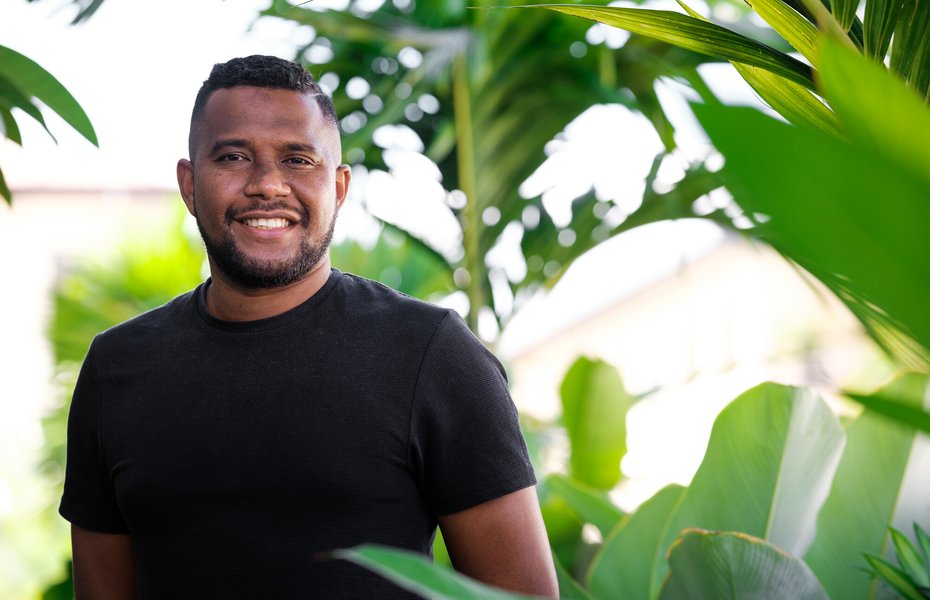
Africa, with a population of 17% of the global population, produces a gross of less than 4% of the world greenhouse gas, yet its citizens face the worst in the consequences that include wilted farmlands in the Horn of Africa to drowned villages. According to the report, Oxfam, the organization named Footing the Bill, found out that in the last 20 years, funding requests in case of an extreme weather emergency have increased eight times, and almost half of them have not been fulfilled. This underfunding is a source of never-ending misery as low-income countries have to pay up a disproportionate amount of a crisis that they did not cause.
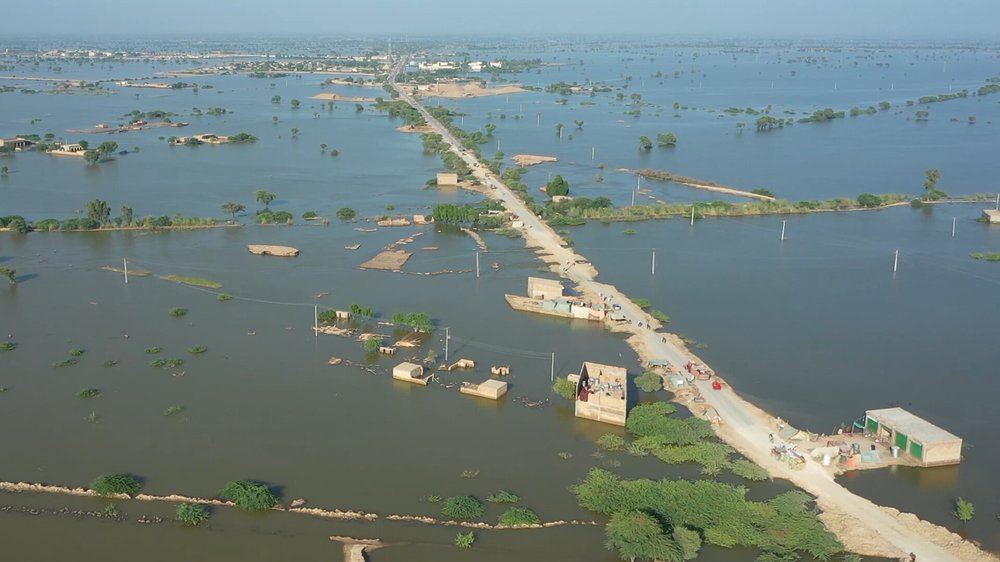
Aerial shots of submerged houses in the Baluchistan province in Pakistan give a bleak picture of floods that have displaced millions of people every year, something that Oxfam puts down to increased extremes of climatic conditions. The quick response teams of the organization provide necessities such as clean water and hygiene kits, which reduce disease outbreaks in the commotion. However, the statistics yell prevention: without the scaled up adaptation financing, there will be only more and more disasters entraping more lives in avoidable tragedy.
Engineering Hope: Oxfam’s Cutting-Edge Solutions to Fortify Communities Against Climate’s Wrath
Oxfam is seeding drought resistant seeds in the seed bank of Zimbabwe whereby hands pass through seed types that have been engineered to resist extended dry seasons and unpredictable rainfalls. These programs, which are vividly pictured as community planting, allow farmers to diversify their crops to guarantee output in the face of nature. Through the combination of local experience and scientific innovations, Oxfam develops a roadmap to agricultural resilience that shakes the rural economies.
In four Asian countries, Oxfam supports the retrofitting of infrastructure in nine cities against heat waves and rising water in relation to urban sprawls, including permeable pavements and community cooling centres. The programs enable the residents to keep track of microclimates and promote green policies, which combines the use of technology and civic activity. The outcome: communities that throb with sustainability, where susceptibility is replaced with alert readiness.
In the case of Oxfam local partners responding to Cyclone Amphan in Bangladesh and India, the wrath of the cyclone forced the disinfection of shelters and distribution of hygiene needs to 72,000 lives in the Philippines following Super Typhone Rai. These interventions were able to prevent secondary crises such as cholera, and dignity was saved in displacement. The disaster preparedness playbook offered by Oxfam to stock solar lights and fortified tarps is the key to making sure response is transformed into proactive resilience.
Voices Rising: Oxfam’s Global Push to Demand Accountability and Equity in Climate Policy Reform
British-Bangladeshi activist Mya-Rose Craig, the founder of the Black2Nature movement, uses signs that talk of the climate of greed, but gives voice to her words through Oxfam, which help connect youth movements with policy spaces. Craig, at the age of 19, represents the intergenerational need to end fossil fuel phases out, a call that Oxfam repeats in such international meetings as COP28. Through highlighting various activists, Oxfam creates a blanket of urgency that compels leaders to keep emission commitments.
Lagi Seru, the co-founder of Alliance Future Generations in Fiji supports the Make the Polluter Pay campaign, which calls upon the industrialized countries to inject money to the frontline communities. The petition drive available on the Oxfam site, collects signatures that are converted into diplomatic power, making sure that the loss-and-damage finance is directed where it is needed the most. It is this accountability that defines the vision of reshaped futures envisioned by Seru with Oxfam being the unwavering channel.
Raise a new generation -sponsor Malawi activist art programs with young people today-Oxfam.
A Unified Front for a Just Future: Oxfam’s Vision for a Climate-Resilient World Built on Equity
The tapestry of successes of Oxfam, such as greenhouse earthly and greenhouse in Somalia or advocacy resonance in Fiji, sheds light on one of the horizons where the weaknesses are forced to yield to the empowered action. The climate justice programs have delivered a mosaic of mitigation and adaptation which has directly supported 200,000 lives by the organization through its reach. However, the way forward requires increased funding, and cutbacks of their emissions, and the volunteers and partners of Oxfam are the pioneers of this fair transition. With the increasing extremes, community innovation and the global pressure are the forces to present the path towards a livable future where no country is left to bear the storm all by themselves.