
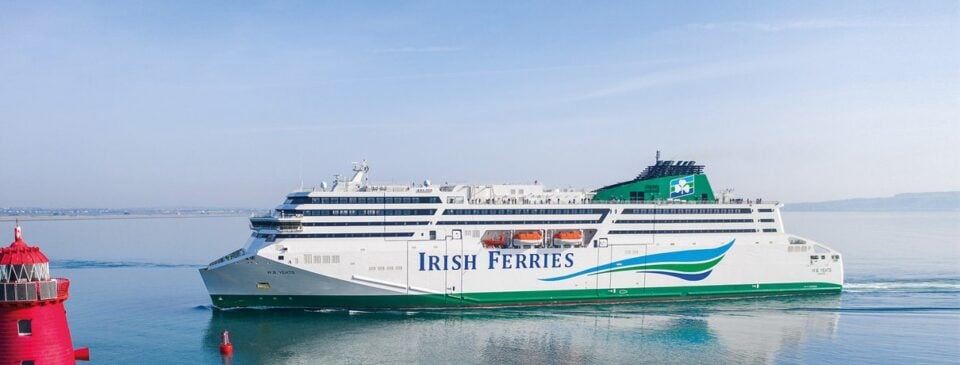
When a trip between Ireland, Britain and France is more than a way to get from A to B, the ferry you choose changes the whole mood of the journey. Irish Ferries is often compared with a quick flight, a cheaper basic crossing or another ferry operator. The useful question is not simply which ticket costs less. It is which option gives your group the right balance of car access, comfort, timetable, onboard space and flexibility.
Here is my honest comparison of Irish Ferries against those typical alternatives, with the current ship choices and route tools in view. Prices are dynamic, so treat every figure as date-dependent and check your sailing before committing.
The quick comparison: what are you paying for?
A flight can be faster in the air, but it usually means airport transfers, baggage limits and leaving the car behind. A basic ferry fare may look attractive, yet the lowest price can mean less appealing sailing times or a more limited onboard experience. Irish Ferries fares make most sense when you value the door-to-door freedom of taking your own car and packing for the full trip.
- Best for car travellers: load once and keep your own driving plans.
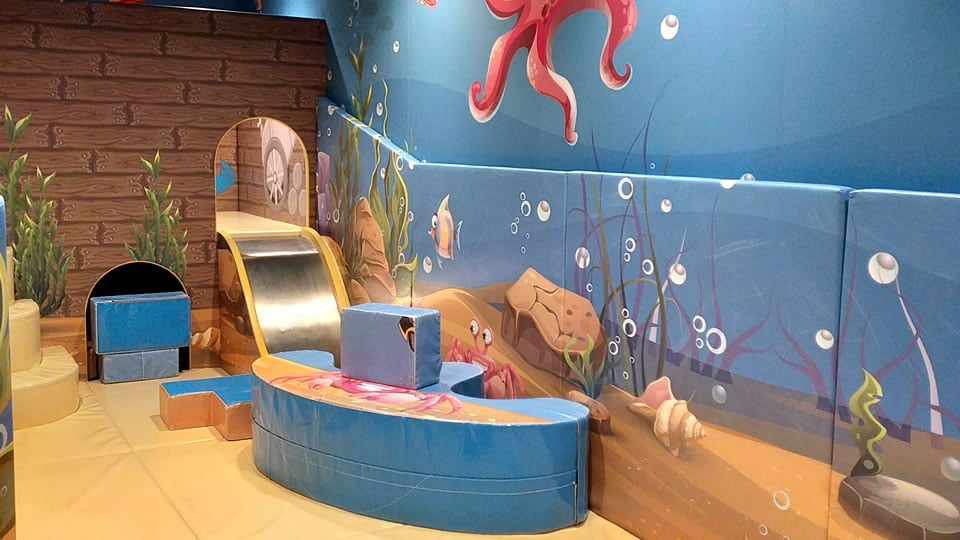
- Best for families: cabins, play areas, food and room to move.
- Best for rail users: combine sea travel with a Ferry & Rail booking.
- Best for pets: ask about the right pet-friendly sailing and cabin.
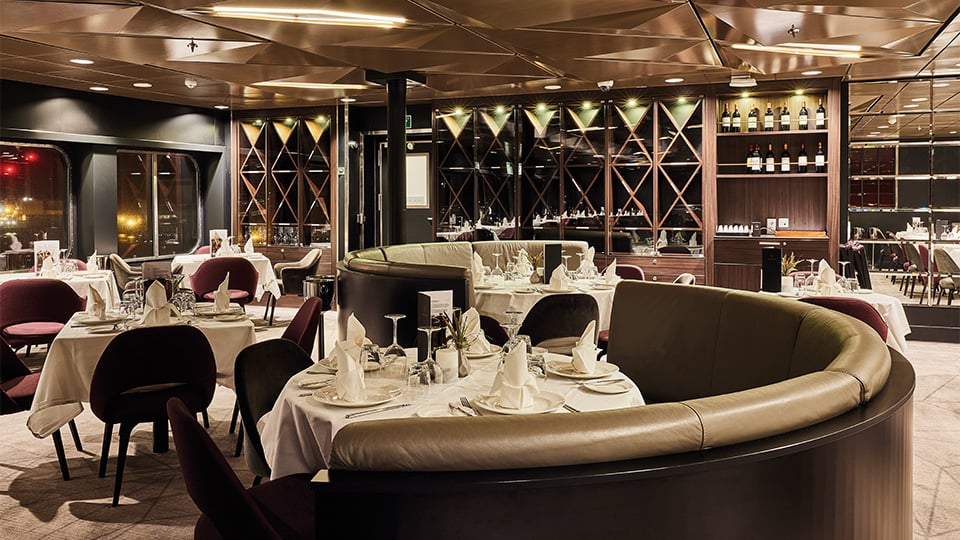
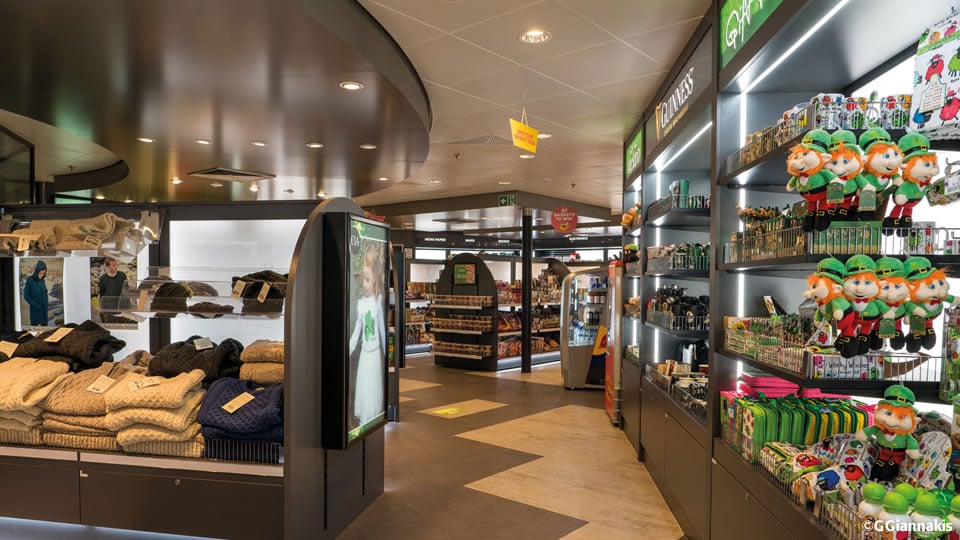
That makes W.B. Yeats the interesting benchmark. Its page lists restaurants, bars, a cinema, Club Class and a children’s room, rather than treating the crossing as a bare seat. There is no fixed product price to quote here: the live booking search changes with route, vehicle, passengers and date.

Ship choice: comfort, speed or capacity
If onboard comfort is the priority, W.B. Yeats is the most rounded choice in this comparison. The Oscar Wilde is another large-ship option, with a stated capacity of over 2,000 passengers and 1,059 cars. That extra scale matters when you want more places to sit, eat or spread out on a longer sailing.
For a faster Ireland to Britain trip, Dublin Swift is the specialist pick. It is described as the only fast ferry on the Irish Sea route, with a Club Class lounge, outdoor deck, Wi-Fi and light food options. The trade-off is simple: speed and convenience come before the extensive cruise-ferry feel of the larger ships.
On the practical side, compare each sailing by what is actually included. A flight may win the headline price for one traveller with a small bag. A ferry can win for a family with a car, sports equipment, a pram and a dog. The best value is therefore trip-specific, not a universal ranking.
There is also a comfort calculation that is easy to miss when comparing search-result prices. A cabin creates a private base for a family, a Club Class seat can make a busy departure feel calmer, and a meal onboard removes one more travel decision. These are optional extras, but they are often more useful than an airport lounge when you still have hours of driving after arrival. I would price the full journey, including transfers, parking and food, before deciding that the cheapest headline fare is genuinely cheaper.
- Enter the route and dates first, then add the vehicle and passengers.
- Compare economy and flexible fare options if your plans may move.
- Add a cabin when an overnight sailing or young children make rest valuable.
- Check check-in times, luggage guidance and pet requirements before payment.
Where Irish Ferries beats the usual alternatives
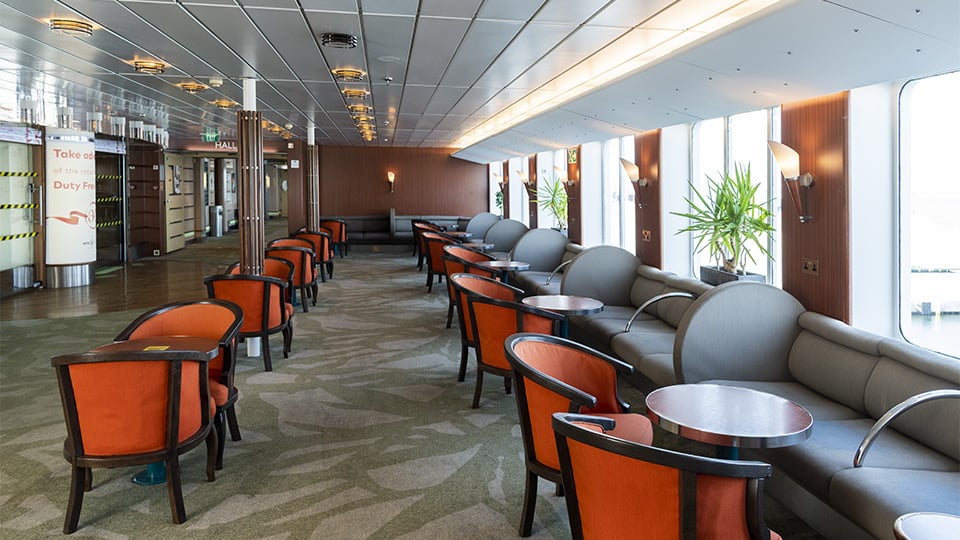
The strongest case is the whole-trip experience. On a plane, the journey is mostly a constraint to endure. On Irish Ferries, you can walk around, take a meal, use an outside deck and keep your itinerary flexible at the destination. Families also get more breathing room than in an airport queue, while couples can choose a quieter lounge or cabin.
There are honest drawbacks. A crossing takes longer than flying, fares rise around popular dates, and the terminal adds a check-in routine. Some passengers will prefer the simplicity of a small personal item and a short flight. Others may dislike paying extra for a cabin or Club Class. Read the fare conditions and choose based on your actual travel party.
- Choose Irish Ferries for a car, more luggage, family space or a pet.
- Choose flying when time is the only serious constraint.
- Choose a basic ferry fare when price matters more than extras.
- Choose Ferry & Rail when the final destination is easier by train.
My recommendation for different travellers
For a France holiday with a car, I would start with W.B. Yeats and compare the live fare against Oscar Wilde if the timetable suits. For Ireland to Britain, check Dublin Swift when arrival time matters most. For a rail-led itinerary, price Ferry & Rail beside a flight plus separate train tickets.
My verdict is positive, with one condition: Irish Ferries is worth choosing when you will use its strengths. The car-friendly format, choice of ships, family facilities, cabins and route combinations make it more than a transport ticket. If you are travelling light and alone, the cheapest flight may still win. For everyone else, the extra time can buy a much calmer start to the holiday.
Verdict: choose Irish Ferries when comfort, car access and a smoother door-to-door trip matter more than the fastest possible crossing.