
A research-led look at three filament choices from 3D Prima Technology, with the material claims, practical fit and compatibility checks that matter before you choose.
Choosing filament is less straightforward than picking a colour. The material affects print settings, surface finish and how a part handles use, while a multi-spool bundle may suit a very different project from a single engineering-oriented material.
We reviewed the information on 3D Prima Technology’s UK product pages, not physical samples. The useful question is whether the listed range gives makers clear options for decorative work, general printing and more demanding parts, and where buyers still need to check the fine print.
We may earn a commission when you buy through links on this page, at no extra cost to you.
Key facts: 3D Prima Technology’s listings span a themed PLA bundle, blue PETG and Creality RFID Hyper PLA. Each solves a different materials question, but the product descriptions do not replace printer compatibility checks or a review of the settings recommended by the filament maker.
The range covers decorative PLA and more task-focused filaments
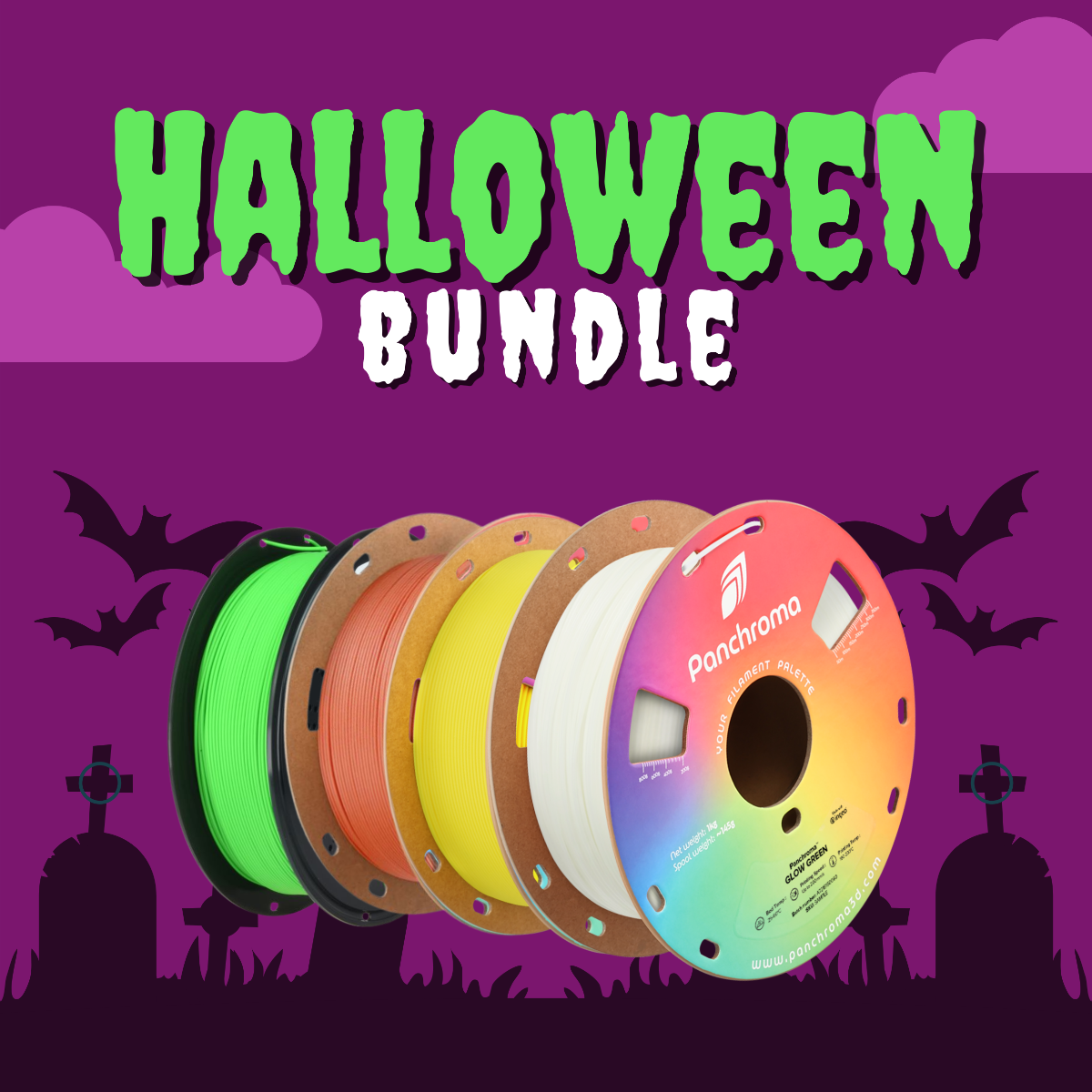
The strongest point of the selection is its range of use cases. The 3D Prima Halloween PLA Filament Bundle is listed as four 1 kg spools in Muted Red, Neon Yellow, Glow Green and Slime Green. That is a practical format for seasonal props, display pieces or a run of colourful decorations, where a coordinated palette matters more than having a large quantity of one shade.
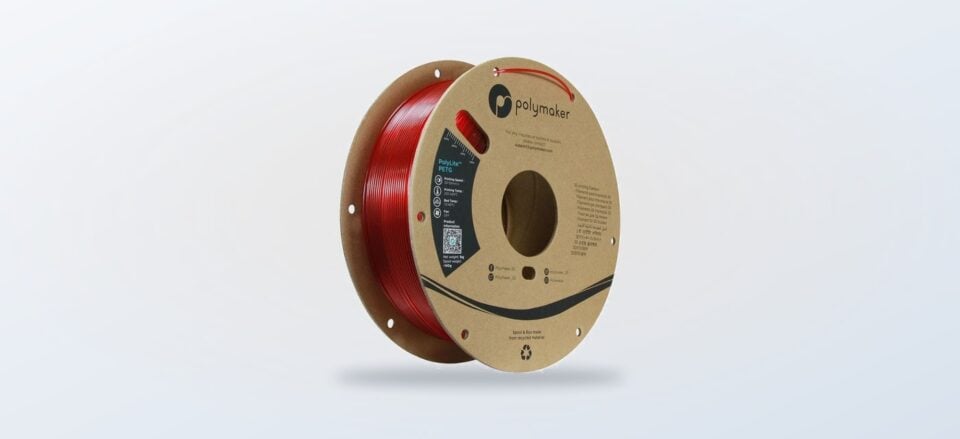
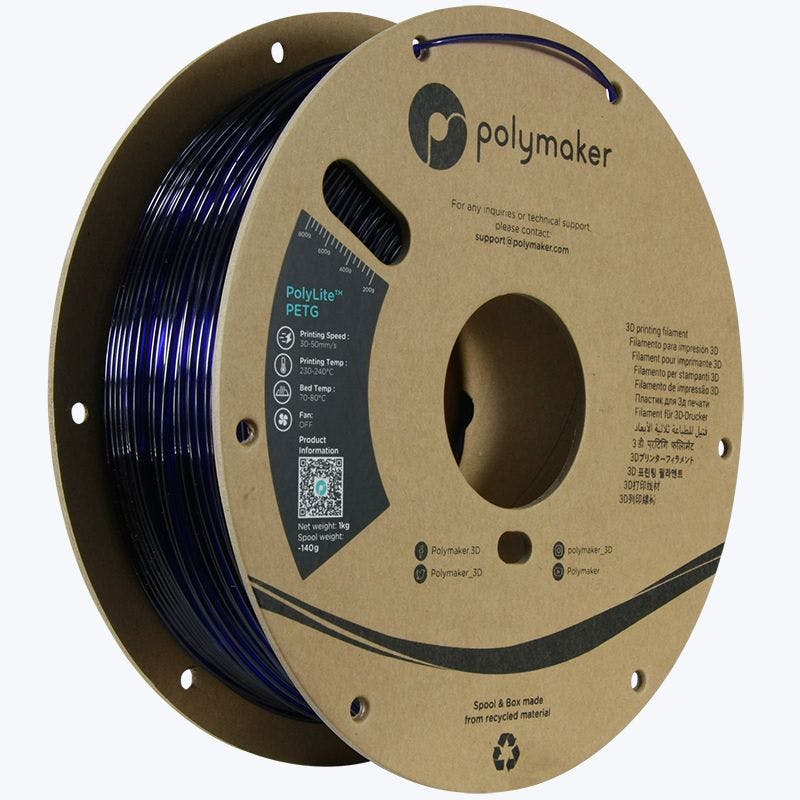
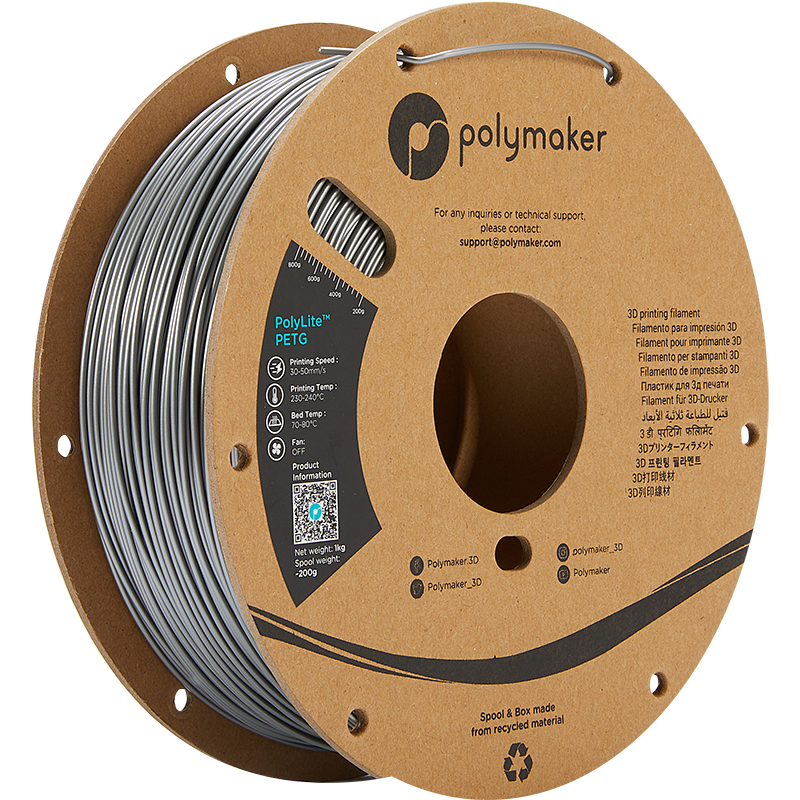
For a single colour in a different material, Polymaker PolyLite Blue PETG is positioned as a balance of strength and ease of use. PETG is often considered when a print needs more toughness than a typical decorative PLA piece, but the store’s brief product description is not a guarantee for every design or printer. The part geometry, orientation and settings remain part of the result. Compare the PolyLite Blue PETG listing with the material guidance for your printer before treating general claims as project-specific advice.
Creality RFID Hyper PLA takes another route. Its product page describes an advanced PLA formula intended for speed and detail, alongside RFID features. Those features are most relevant when the printer and its material-management workflow can read them; for a printer without that capability, the filament’s base material and profile matter more than the tag. The Creality RFID Hyper PLA page is the place to confirm which variant is listed.
That distinction is useful when considering 3D Prima Technology’s wider offer. Its catalogue combines printers, scanners, filament and other making tools, with model-specific product pages. A broad specialist range helps shoppers compare related supplies in one place, although the pages do not make every cross-brand compatibility question disappear. The four-colour Halloween bundle details are a good example of how specifically a page can describe intended use.
Three product listings suit different priorities
- Colour variety: the 3D Prima Halloween PLA Filament Bundle groups four colours for themed builds and decorative pieces.
- Everyday PETG: Polymaker PolyLite Blue PETG is the more relevant listing when the material choice points toward PETG rather than PLA.
- Speed-oriented PLA: Creality RFID Hyper PLA is worth considering when fast-print claims and a compatible RFID workflow fit the setup.
These are not interchangeable picks. The bundle prioritises colour choice, PETG answers a material-selection question, and Hyper PLA makes a speed-oriented claim. A model name or marketing phrase cannot establish finished-part performance on its own, so we would treat each description as a starting point for checking manufacturer guidance and print requirements. It is worth rechecking the bundle listing, PETG listing and Hyper PLA page for selected variants before ordering.
The product pages help, but compatibility is the main limit
3D Prima Technology’s product-specific listings are useful because they identify named materials and set out their intended role. Its UK store also provides delivery, warranty and returns information, which gives shoppers somewhere to check service terms before ordering. That is a meaningful strength for an online specialist retailer, particularly when a project depends on replenishing supplies.
The limitation is that the product pages are not a substitute for the details surrounding your own machine. Before choosing, check:
- Material compatibility: confirm the printer supports the material and its temperature range.
- Spool fit: check spool dimensions and whether the feeder or enclosure can accommodate it.
- Profiles and speed: look for the recommended slicer profile; do not assume a speed claim applies unchanged to every printer.
- Project needs: decide whether colour, flexibility, heat resistance or strength is the actual priority.
For instance, an RFID-labelled filament is not automatically a more convenient option if the printer cannot use its tag. A PETG listing may sound more robust, but that does not make every printed part suitable for a load-bearing or safety-critical job. Likewise, four colours can be good value in practical terms only if the project will use them.
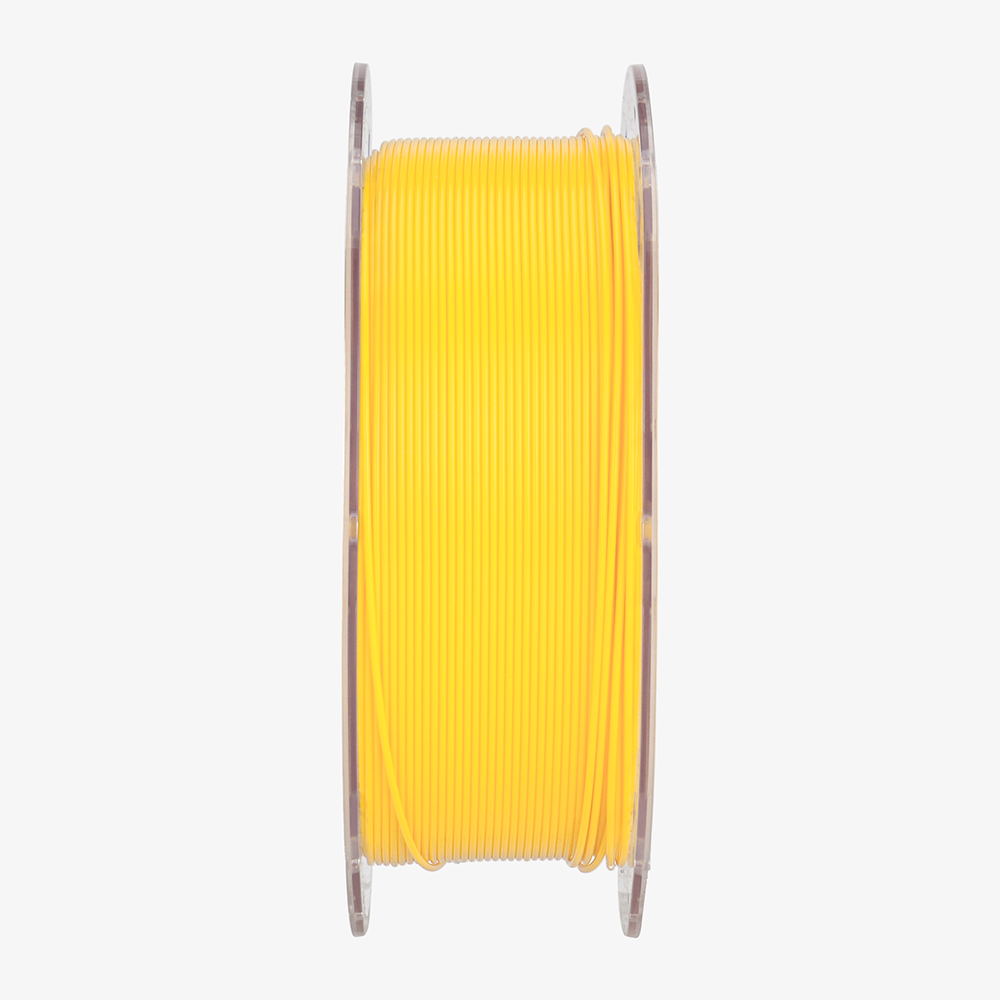
We would also check the page for the exact spool variant before purchasing. Filament listings can include colour and diameter variants under a shared product family, and those details influence both compatibility and the appearance of the finished print. Read the selected option and the manufacturer’s current instructions, rather than relying on a category label alone.
The best fit depends on the job, not the broadest claim
The bundle is the easiest recommendation for a maker planning a coordinated decorative project: it puts four complementary shades in one listing and removes the guesswork of pairing colours. It is a narrower choice, however, if you do not need the seasonal palette or expect to use only one spool.
PolyLite Blue PETG is the more sensible starting point for shoppers deliberately seeking PETG in a specific colour. The listing’s strength-and-ease positioning is relevant, but buyers should still compare the manufacturer’s recommended conditions with the printer they own. For common prototypes and functional household parts it may be a candidate, not a blanket promise of suitability.
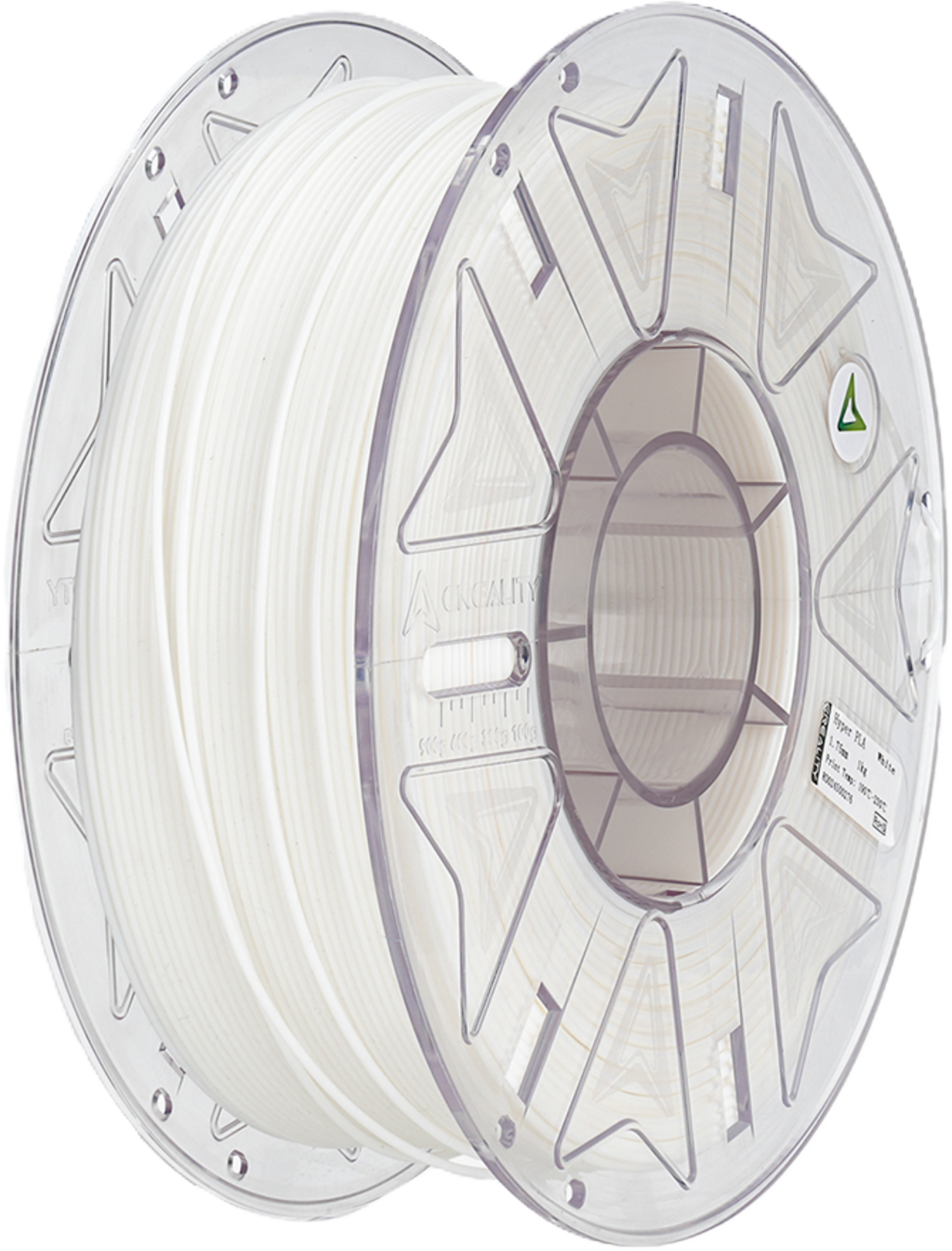
Creality RFID Hyper PLA makes most sense when the faster-printing description lines up with the user’s printer and the intended workflow. Its RFID element may add convenience in a compatible system; on other systems, it should not outweigh basic checks around material diameter, temperature and profiles. The reader who values dependable fit over headline speed should compare those specifications first.
Across all three, 3D Prima Technology’s specialist breadth is a real advantage: shoppers can browse printers and materials alongside each other, while the product pages give a concrete place to start. The trade-off is that a wide catalogue still leaves the final compatibility decision with the buyer. Current availability and store terms can change, so confirm both on the UK listing before planning a project around a particular spool.
Before you decide
We recommend the range to UK makers who want named material choices from a specialist store and are prepared to check printer-specific requirements. The Halloween bundle is the clearest pick for colourful decorative work; PETG is the more focused option for shoppers who already know they need that material; and RFID Hyper PLA is conditional on the printer workflow making its speed and RFID claims relevant.
The honest limitation is that retailer descriptions cannot guarantee performance in a particular machine or finished design. Revisit the bundle page, PETG specifications or Hyper PLA details for the exact option you have in mind. Check the exact variant, manufacturer settings and the store’s current service terms before committing. If those details line up, 3D Prima Technology’s filament pages make a useful, practical shortlist rather than a one-size-fits-all answer.
Choose the filament for the job and printer you have; 3D Prima Technology offers a useful shortlist when you verify compatibility first.