
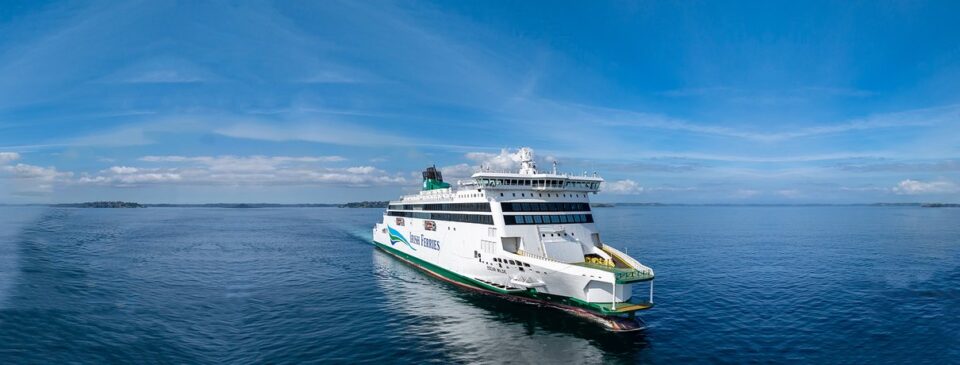
Ferry research often stops at the route and the headline fare. That misses the part you actually live with: the ship, the seating, the food, the cabin decision and the small practical details that shape a long crossing. I spent time comparing the published ship information for Irish Ferries, checking its route options, onboard facilities and the differences between its larger cruise ferries and faster service. My conclusion is positive, with one important caveat: the best choice depends on whether your priority is time, comfort, family space or simply getting your own car across.
What the network does well
The useful proposition is straightforward: Irish Ferries connects Ireland with Britain and France, and also operates Dover to Calais sailings. You can take a car, book a cabin on selected longer crossings, bring the family and choose from several onboard dining and lounge options. Its route planner is therefore more than a timetable tool. It is where the real comparison starts, because sailing time, ship assignment and fare all vary by route and date.
- Car-friendly travel makes a road trip practical once you land.
- Longer sailings can add cabins, restaurants and outdoor deck space.
- Families get play areas on several ships, while some sailings include pet-friendly facilities.
- Ferry & Rail can join the crossing to onward train travel.
The trade-off is that there is no single Irish Ferries experience. A two-hour fast ferry is a different proposition from a full-size cruise ferry with a cabin. I would check the latest sailing updates and the booking conditions before treating any advertised fare as the final cost.
The ship comparison that matters
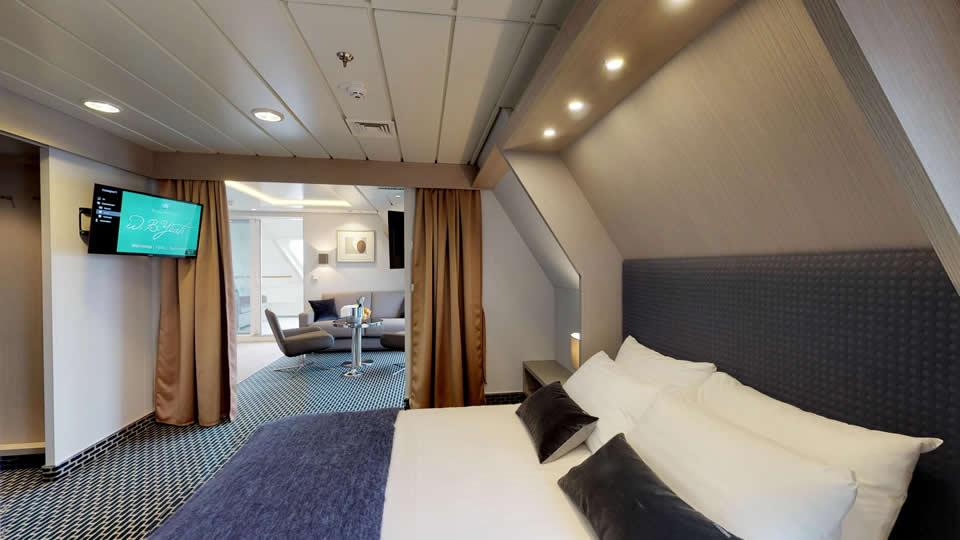
For comfort-first travel, the W.B. Yeats is the standout. The published specification lists space for 1,885 passengers and crew, up to 1,200 cars and 440 cabins, including suites with private balconies. That is unusually substantial for a ferry. The standard cabin image below gives a more realistic sense of the baseline, while the premium suite is the upgrade I would investigate for an overnight or especially long crossing.
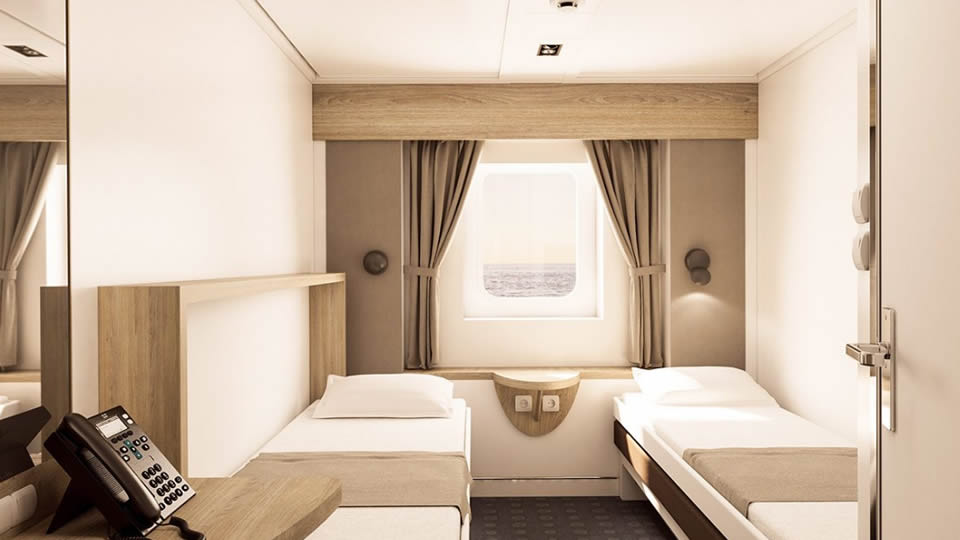
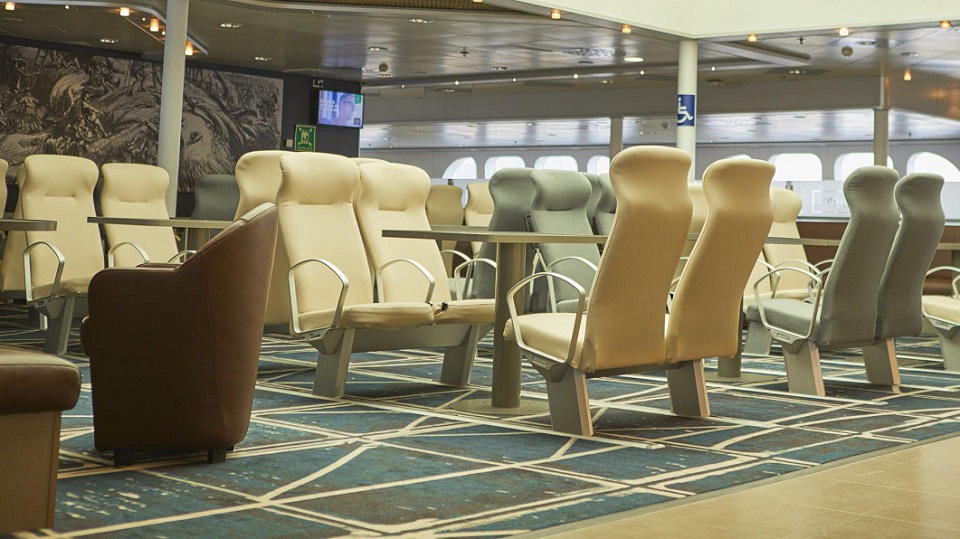
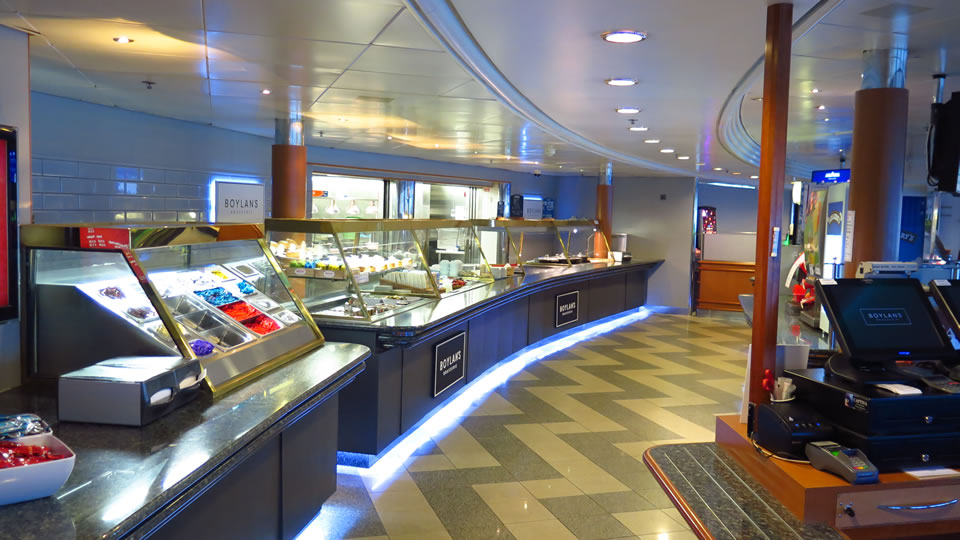
The W.B. Yeats also has Boylans Brasserie, an a la carte restaurant, Café Lafayette, the Maud Gonne Bar, a cinema, a children’s play area and the Innisfree Club Class Lounge. A premium cabin is not essential, but the combination makes the ship feel like part of the trip rather than a waiting room. I would still compare the W.B. Yeats sailing with the total price of a flight plus transfers, because convenience is its strongest value argument.
The Oscar Wilde is the better all-rounder when you want a big ship without automatically paying for the top cabin tier. It carries more than 2,000 passengers and offers a choice of restaurants, a shopping area, a children’s play area, Club Class, a Pet Deck and outdoor deck space. That mix is especially useful for a mixed group where one person wants fresh air, another wants food and a child needs a change of scene.
Where the faster and larger ships diverge
On the larger-ship side, Ulysses offers a broad menu of bars, cafés, shops, an outdoor deck, two cinemas and Club Class. It is a sensible pick for passengers who see the crossing as downtime. The public information is concrete enough to make this more than marketing: there is a dedicated list of facilities, and the gallery shows spaces intended for a long stay.
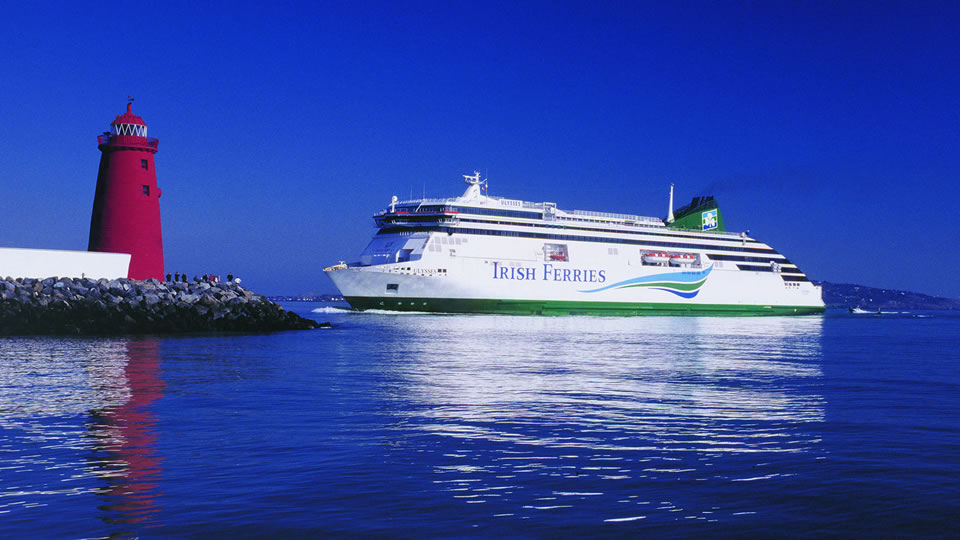
- Choose W.B. Yeats for cabins and the most cruise-like onboard feel.
- Choose Oscar Wilde for family and pet-friendly variety.
- Choose Ulysses when dining, deck space and entertainment matter.
- Choose Dublin Swift when minimising crossing time is the whole point.
The Dublin Swift is the specialist option. Irish Ferries describes it as a fast ferry with a crossing time of around two hours, plus panoramic views, Club Class, cafés and onboard shopping. That sounds attractive for a short break, but the downside is equally clear: a faster sailing leaves less room for the cabin-and-deck experience that makes the bigger vessels worthwhile. Check the Dublin Swift details against the exact route before assuming it runs for your dates.
The practical details I would not skip
The strongest reason to book a ferry is control after arrival. Your own car turns an Irish or French landing into a road trip rather than a transfer puzzle. The weak point is that the fare can be difficult to judge without dates, vehicle details and route, so I would price the complete journey before deciding that a sailing is automatically cheaper. The special offers page is worth checking, but it should not replace a realistic quote.
Families should check play areas and cabin availability early. Pet owners should check the exact vessel and the pet travel guidance, rather than assuming every ship has the same arrangement. If you want a quieter journey, Club Class is a meaningful upgrade where available, with a dedicated lounge and extra comfort. The Club Class information is the right place to confirm what applies to your sailing.
Pros, cons and my verdict
- Pros: car travel, real ship choice, cabins, dining, family facilities and pet options.
- Pros: the W.B. Yeats and Ulysses make longer crossings feel properly liveable.
- Cons: facilities and sailing times vary, so a generic comparison is unreliable.
- Cons: prices are route and date dependent, and upgrades can change the value calculation.
My evidence-led take is that Irish Ferries earns consideration when you are taking a car, travelling as a group or value arriving with less airport-style friction. I would choose W.B. Yeats for a comfort-led trip, Oscar Wilde for flexible family needs, Ulysses for a full day at sea and Dublin Swift only when speed clearly outweighs onboard time. Before committing, I would run the live booking search, check route availability and compare the complete door-to-door cost.
Irish Ferries is worth booking when you choose the ship around your real travel priorities, not just the lowest headline fare.