
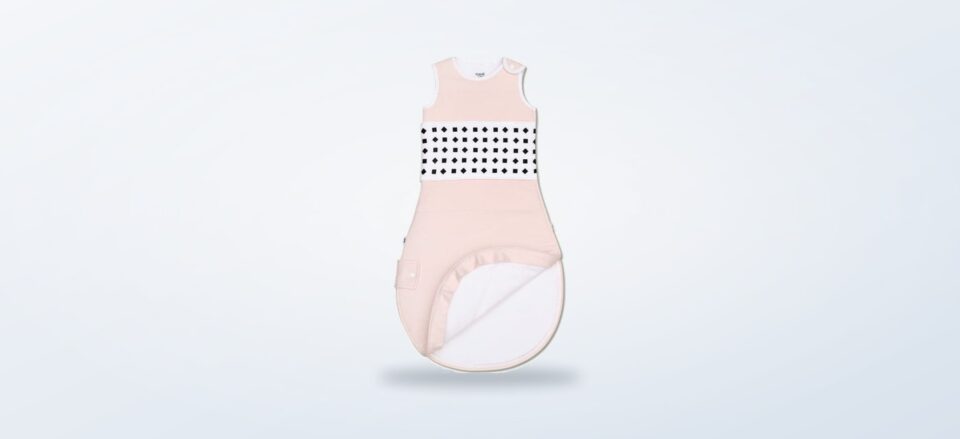
Baby monitors are easy to compare on headline specs and much harder to judge as part of real family life. I spent time reviewing Nanit through that practical lens: what does the system actually help with at 2 a.m., which extras are useful rather than decorative, and how quickly does the price climb? The brand combines live video, notifications, sleep insights and sensor-free breathing monitoring in a connected setup. You can start with the Nanit monitor range and add pieces as your routine becomes clearer.
The strongest case for Nanit is not one dramatic feature. It is the way several small sources of reassurance sit together in one app and product family. The tradeoff is equally clear: this is a premium ecosystem, and some families will not need every layer. Prices below were visible during research and can change.

What Nanit does especially well
On paper, Nanit covers the basics parents expect, then adds context around them. The monitor system page lists crystal-clear video, real-time notifications and personalized sleep insights, while the brand’s Breathing Wear approach is designed to monitor breathing motion without attaching a sensor to the baby. Those are meaningful distinctions from a simple camera, although they do not remove the need for sensible sleep safety habits.
- Clear monitoring: live video is the foundation, with a dedicated display available in selected bundles.
- Useful alerts: notifications can help you decide when a check is warranted instead of watching continuously.
- Sleep context: personalized insights turn isolated wake-ups into a clearer view of patterns.
- Flexible placement: wall, floor and travel-friendly options support more than one room layout.
That flexibility is one of Nanit’s better design decisions. A fixed nursery setup may suit the Smart Baby Monitor System, priced at $289.99 when checked. A family that moves the monitor between a bedroom, play space or trip may prefer the Smart Baby Monitor + Flex Stand, listed at $249. Both are more specific solutions than buying the same camera and hoping a generic stand will work.
There are also costs beyond the device to consider. A smart monitor needs a dependable home setup, time spent learning its app and a willingness to interpret notifications rather than react to every sound. If you want a very simple plug-in camera with no interest in sleep data, Nanit’s extra information may feel like clutter.
Three products I would compare first
The range makes most sense when each product has a clear job. I would not automatically buy the largest bundle. These are the three pages that give the best picture of what Nanit is selling.
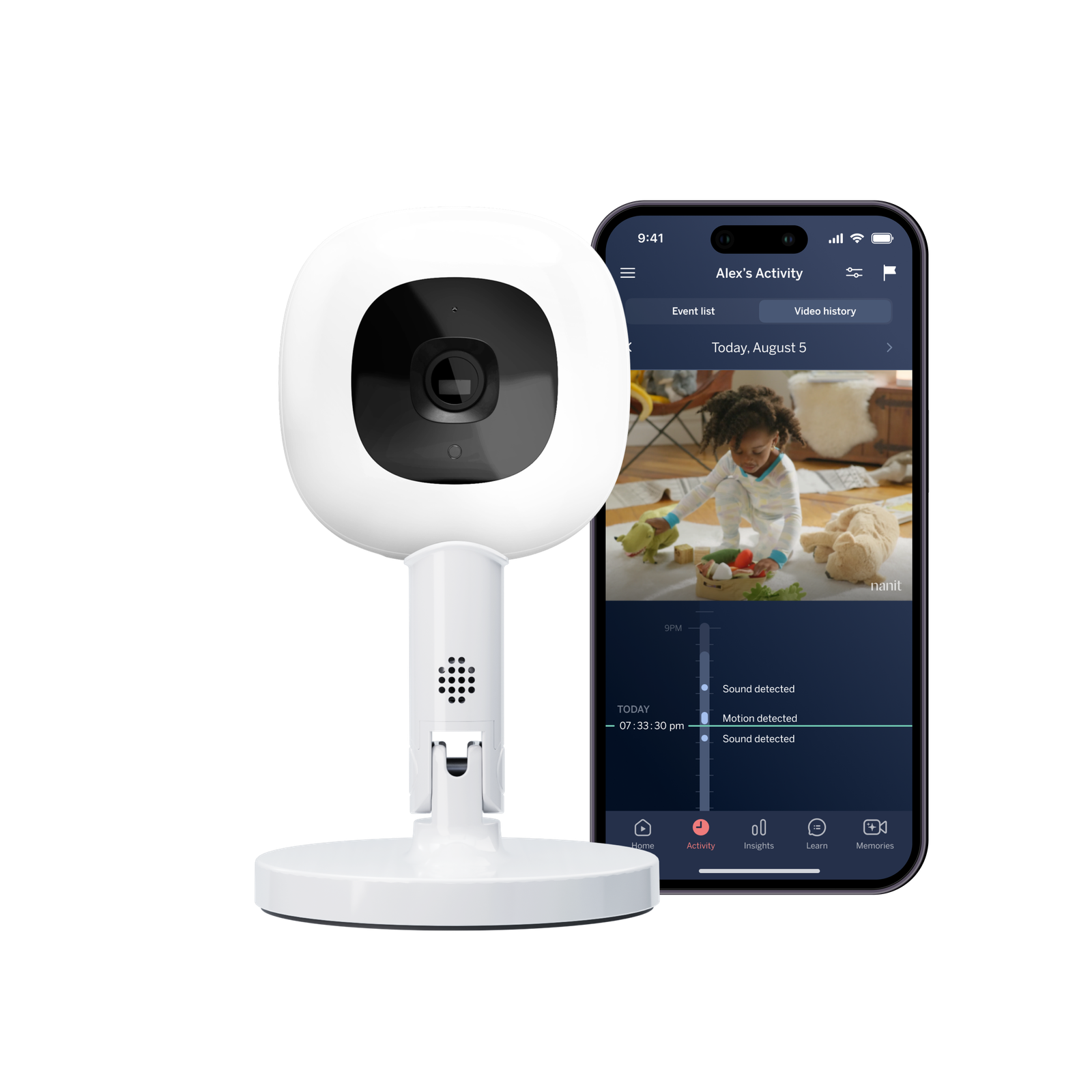
1. Smart Baby Monitor System for the main nursery
The Smart Baby Monitor System is the most logical starting point for a first nursery. At $289.99, it is not a casual camera purchase, but it brings together video, real-time notifications, sleep insights and a dedicated touchscreen in one setup. I like this option for parents who want the monitor to live in one consistent location and who will actually use the information over time.
Best for: a primary nursery, parents who want a fuller sleep picture, and households that prefer a dedicated display. The drawback is commitment: it is more equipment and more money than a basic audio or video monitor.
2. The Best Sellers Bundle for a ready-made kit
The Best Sellers Bundle was listed at $369 and includes the Home 8-inch Display, Flex Stand and Travel Case alongside the monitoring setup. That contents list makes the bundle easier to justify than a vague collection of add-ons. It is particularly appealing if grandparents’ rooms, travel or a second viewing position are part of the plan.
The honest downside is that a bundle can make unused accessories feel like value. If the monitor will never leave the nursery, compare the individual Nanit monitor options before paying for portability. The bundle is a convenience purchase, not automatically the best deal for every family.
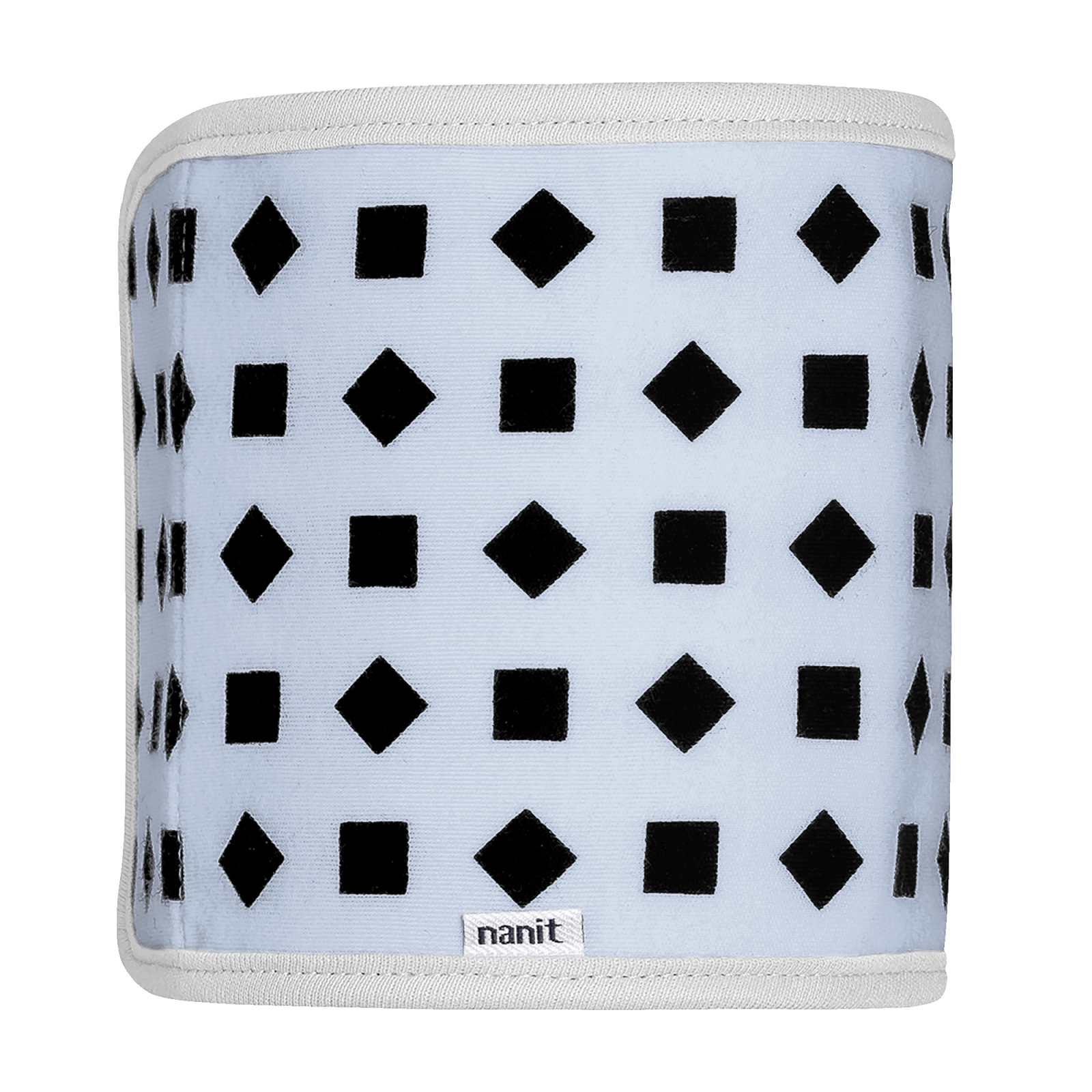
3. Breathing Wear Quilted Sleeping Bag for the post-swaddle stage
The Breathing Wear Quilted Sleeping Bag costs $34.99 and is described as a 2.5 TOG option for post-swaddle babies. Nanit says its sensor-free Breathing Motion Monitoring streams breathing information through the garment and monitor combination. That is a more distinctive use case than ordinary sleepwear, but it only makes sense if you already want the compatible Nanit ecosystem.
My caution: this is not a substitute for following current safe-sleep guidance or for medical advice. It is a connected product designed to provide information and reassurance. The practical question is whether the extra insight will calm your household or create another stream of data to check.
- Choose the monitor system when a stable nursery setup is your priority.
- Choose the Flex Stand when movement between rooms or travel matters.
- Choose the bundle when the display and case solve problems you already have.
- Add Breathing Wear only when its stage, fit and compatibility match your routine.
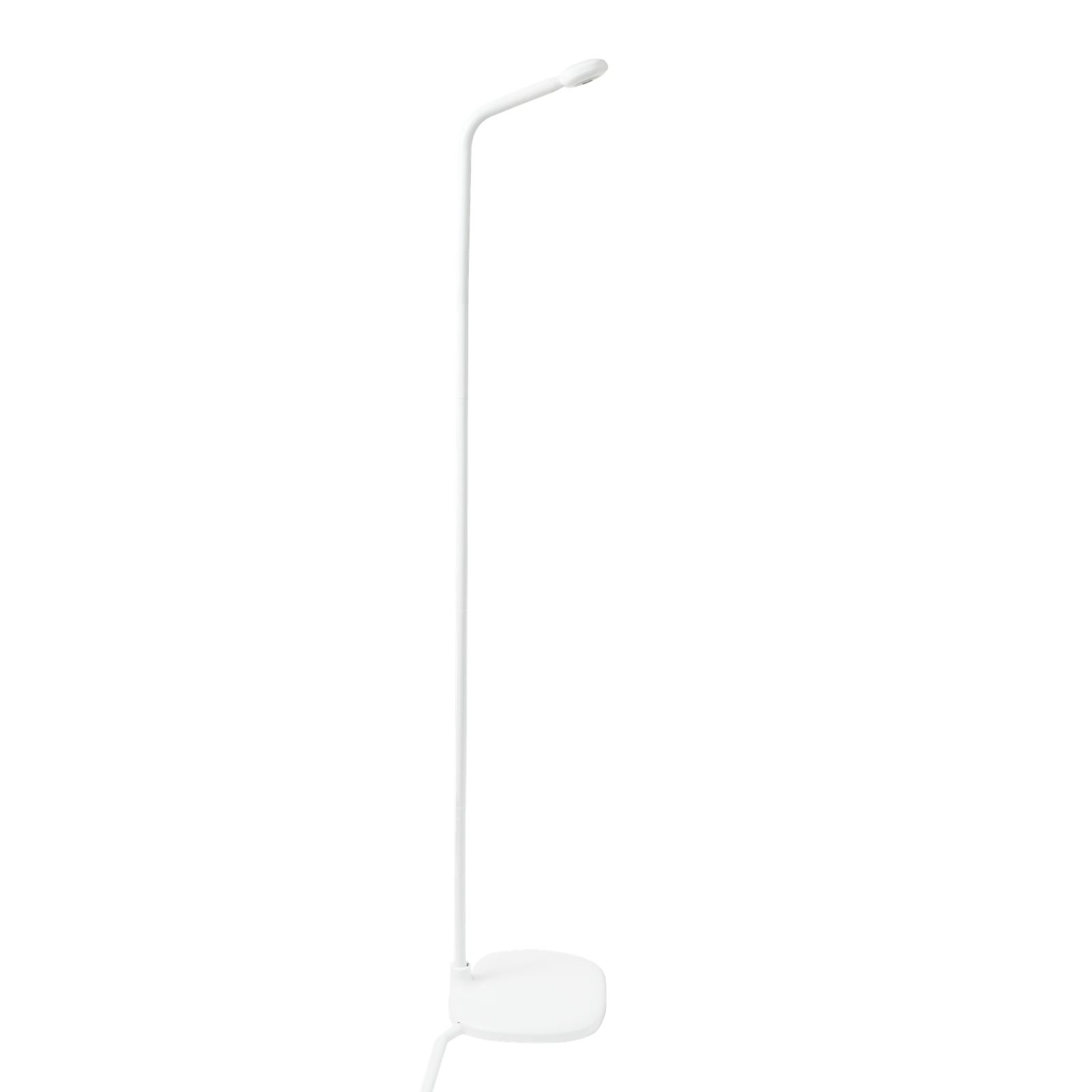
The pros, the compromises and the verdict
The pros are substantial: the product family is coherent, the monitor can provide more context than a standard camera, and the Flex Stand plus travel accessories make the system less tied to one room. Product pages are also unusually clear about the role of each piece. You can review the full Nanit collection before deciding how far into the ecosystem to go.
The compromises matter just as much. The upfront price is high, the benefits depend on using compatible products together, and smart notifications are only helpful when parents understand what they mean. A family seeking the lowest-cost monitor will probably find Nanit excessive. A family that values sleep trends, breathing information and an expandable setup may find the premium more defensible. It is worth checking the current Nanit offers before making that comparison.
Before ordering, I would check four things: the exact bundle contents, the current price, where the monitor will be placed and whether Breathing Wear fits the baby’s stage. The monitor system page and bundle page are the most useful starting points, while the Breathing Wear details deserve a separate look rather than an impulse add-on.
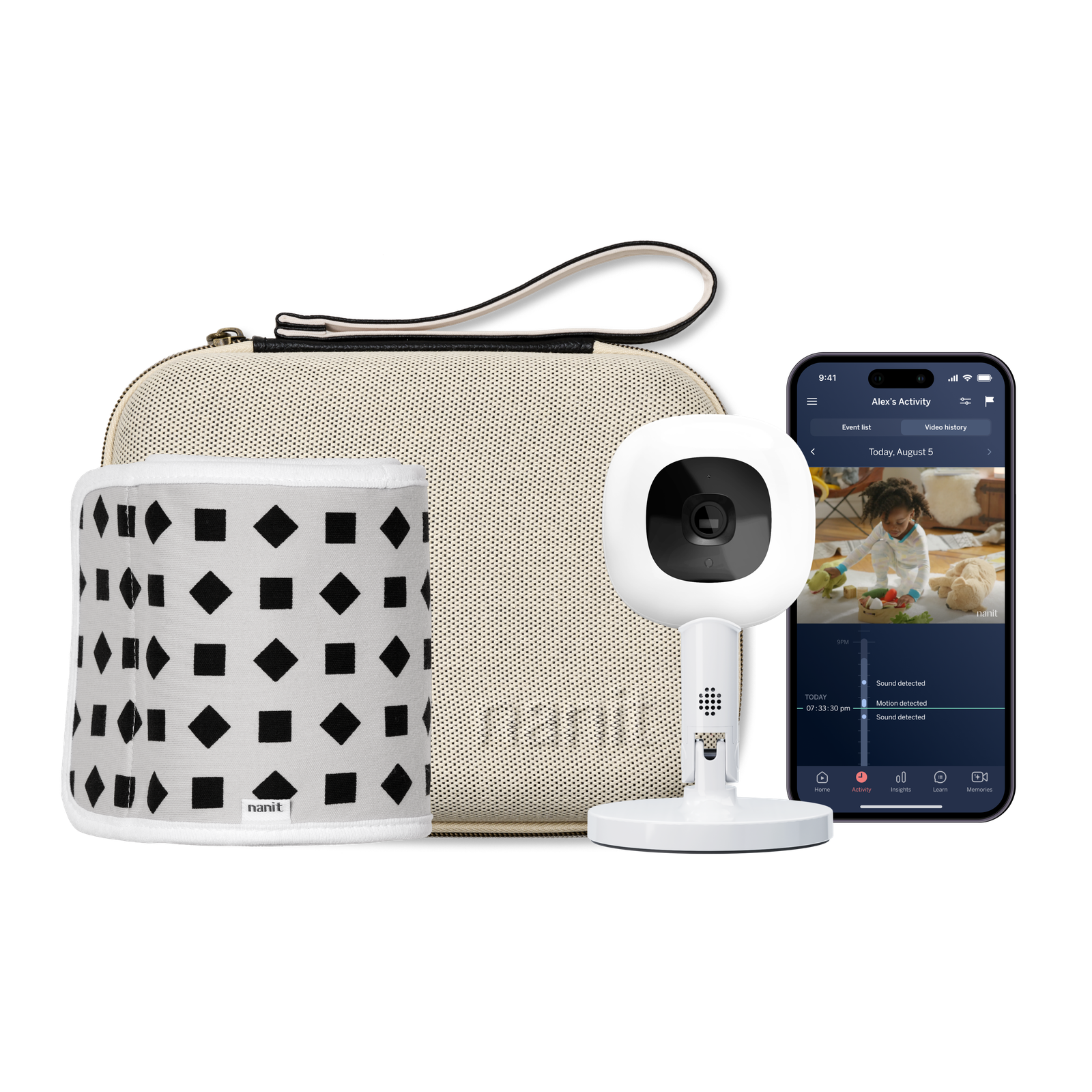
My evidence-led take is that Nanit is strongest as a planned system, not as a gadget haul. Start with the problem you need solved, then choose the smallest product combination that answers it. That approach keeps the useful parts of the technology in focus and makes the price easier to evaluate.
Nanit is worth considering when sleep and breathing insights will genuinely support your routine, but the premium price only makes sense if you choose the ecosystem deliberately.