

Have you ever sat back and thought what a great tapestry of life we live in, the web that weaves and supports our planet? Every species, whether the tiniest insect or the largest mammal, is important in the delicate ecosystem balance. However, this equilibrium is being threatened like never before, and the disastrous loss of species and habitat destruction is affecting the very basis of our natural world.
The realization of the deep significance of biodiversity is the key to effective action. Their planet and its wildlife are inseparable, and to make sure that nature will be able to recover, it will take specific, science-based measures. This is not just about saving individual species but also preserving and restoring the habitat in which they dwell and creating a mutual co-existence between man and nature.
Learn about the Vital Work of ZSL
The Zoological Society of London, or ZSL as it is better known the world over, has been at the frontline of conservation for more than two centuries. ZSL is a conservation charity that is driven by a spirit of pioneering and a profound love of nature, and aims to ensure that both wildlife and people flourish. Their long-term vision is to motivate, educate, and take action to conserve and rebuild nature to the advantage of everyone.
Having a 200-year history, ZSL has a presence in both state-of-the-art laboratory research and crucial fieldwork, as well as the famous zoological establishments they operate. They are based on scientific evidence and cooperative relationships, and strive to make a positive and sustainable difference to wildlife populations and their ecosystems in all parts of the world. This is a holistic approach that makes conservation efforts effective, as well as sustainable and inclusive.
Saving the Most Endangered Life on Planet Earth
The sheer variety of life on their planet is mind-boggling, but human activity is causing an existential crisis to many species. ZSL will protect these endangered species by using powerful scientific approaches and community involvement to fight the threats such as habitat destruction and poaching. Their efforts are a tribute to the idea that all species, however small and insignificant, should have an opportunity to live and flourish.
- Hainan Gibbon Conservation: ZSL has been at the forefront in the conservation of the Hainan gibbon, which is the rarest primate and perhaps the rarest mammal in the world. Habitat destruction and poaching drove this species to extinction. ZSL engages in intensive conservation efforts in collaboration with local partners to conserve the existing populations and their forest habitats, which show a strong effort to save the lives of endangered species.
- Pangolin Protection: Pangolins are often discussed as the most illegally trafficked animal on the planet, as poachers are trying to obtain their scales and meat. ZSL spearheads conservation efforts of these unique scaly mammals around the world. Their strategy involves being at the forefront in community-based conservation, facilitating anti-poaching patrols, and meeting with important decision-makers to implement more robust protection against illegal wildlife trade. This holistic approach deals with the urgent threats and the systemic problems that are causing pangolin depletion.
- Partula Snail Restoration: ZSL was also instrumental in preventing the extinction of the Polynesian Partula snails in an incredible conservation effort. These vulnerable animals were about to become extinct. ZSL has played a key role in breeding projects, which aim to reintroduce these snails to their native habitats and reinstate their important role in Polynesian history and biodiversity. This achievement underscores the fact that ZSL can help save species on the verge of extinction.
These are only some of the examples of how ZSL is committed to saving the biological heritage of the planet. They are making a physical impact in preventing extinctions by prioritizing the species that are at the highest risk so that they remain a part of their natural world that cannot be replaced. Their scientific knowledge coupled with the practical conservation measures is a ray of hope to wildlife.

Planting Ecosystems for a Better Planet
The health of the environment is closely associated with the survival of species. ZSL realizes that conservation cannot be done by merely safeguarding individual animals, but also by repairing and preserving the habitats on which they rely. Their dedication to the restoration of habitats is critical in the reversal of ecological harm as well as establishing strong ecosystems in which wildlife and human populations can co-exist.
- Mangrove Forests: In essential initiatives, especially in the Philippines, ZSL has played a crucial role in restoration and conservation of large tracts of mangrove forests. These initiatives have managed to rehabilitate more than 900 hectares of former fishponds and convert them to flourishing mangrove habitats again; the size of about 1,260 football pitches. This project is essential to safeguard the coasts, biodiversity, and sustain the local livelihood.
- Ecosystem Recovery: On top of individual projects such as mangrove restoration, ZSL helps to recover damaged landscapes across the world. This involves the reintroduction of native species, fighting desertification, and encouraging sustainable land-use. ZSL deals with the underlying causes of biodiversity loss and resilience to environmental challenges by targeting the health of whole ecosystems.
- Sustainable Practices Integration: One of the main elements of habitat work by ZSL is the need to balance conservation requirements with the needs of the local population. This guarantees that the restoration efforts are backed by the people who live in and rely on these environments to achieve success in the long term and to benefit both wildlife and people.
One of the pillars of the conservation strategy of ZSL is the restoration of natural habitats. Healthy ecosystems play a key role in sustaining a diversity of wildlife, deliver essential services such as clean water and air, and reduce the effects of climate change. The fact that ZSL is committed to this field shows that they understand how life on Earth is interdependent.
Protecting Wildlife Around the World
The problems of wildlife have no regard to national boundaries. ZSL is a truly global organisation, using its resources and expertise to safeguard wildlife and ecosystems in various regions throughout Africa, Asia, the UK and Europe, the Americas, and Oceania. This global footprint gives them the opportunity to deal with a wide range of conservation concerns, including local species conservation to global wildlife trade.
- Conservation in Africa: The work of ZSL in Africa is based on the most pressing problems when people and animals are on the verge of an ecological disaster. This involves the conservation of iconic species such as rhinos and the problem of human-wildlife conflict in areas experiencing colossal environmental demands.
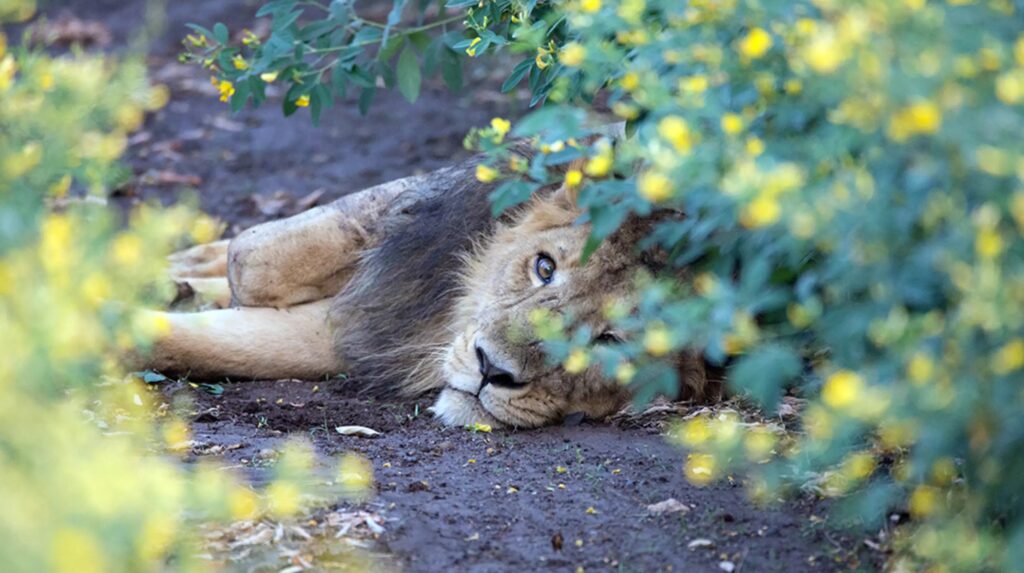
- Conservation in Asia: ZSL is also engaged in the conservation of Asiatic lions and Greater one-horned rhinos in Asia, and is also carrying out new discoveries in places like Vietnam. They also play a significant role in the recovery programs of the endangered wildlife species on the continent.
- Conservation in UK and Europe: ZSL is committed to the restoration of wildlife in Britain and Europe. This encompasses such crucial actions as the reintroduction of species such as the hazel dormouse, with the aim of restoring the sound of wildlife known to the British countryside, and elsewhere.
- Conservation in Americas: ZSL conservation activities in the region are essential in conserving the unique biodiversity in the area and towards ecological recovery, given that Latin America and the Caribbean have recorded a high rate of species loss.
- Oceanian Conservation: Island ecosystems are the most susceptible. ZSL is working on restoring the wildlife of the islands, the most endangered by invasive species, to conserve the unique ecosystems of Oceania.
- Combating Illegal Wildlife Trade: ZSL is leading the way in new infrastructure and training to battle the illegal wildlife trade. Their efforts in Mongolia, to name a few, create new ecological police departments and give state-of-the-art border control training, which directly addresses a significant threat to most species.
The conservation programs of ZSL have a global orientation, and this is a sign of their holistic approach. Their efforts to work in various settings, and address a wide range of threats, are having a significant effect on the conservation of life on Earth, proving that concerted, international efforts are crucial to the survival of the wildlife on their planet.
Leading the Way in Conservation Through Science and Training
The core of the successful work of ZSL is its orientation on science, research, and education. ZSL produces vital information and data to support conservation policies across the world through its Institute of Zoology and its fieldwork. They also invest in creating the new generation of conservationists, so that the battle against wildlife has trained professionals to champion it in the coming decades.
- Top-Tier Scientific Research: The scientists at ZSL do state-of-the-art research to provide answers to the complicated questions regarding the survival of species, the health of the ecosystem, and the effects of environmental change. This evidence-based methodology makes sure that conservation efforts are focused, effective, and those with the highest potential to do good.
- Training Conservationists: Conservationists are professionals who need to be trained, so ZSL trains conservationists globally. This involves offering skills in the techniques of the field, data gathering, community participation, and policy advocacy to enable individuals to have the knowledge and skills to save wildlife in their respective areas.
- Shaping Agendas and Influencing Change: The experiences from the scientific work of ZSL are applied to policy and conservation agendas on local, national, and international levels. Working with governments and organisations, ZSL promotes more robust environmental protection and sustainable activities.
- Innovations: Since the deployment of camera traps to track tiger populations in Nepal, ZSL has always experimented and tested new ways of approaching conservation problems.
The intellectual strength of the conservation work of ZSL is supported by its commitment to science and education. This commitment will make their work not only passionate but also informed and effective to make real progress in the complicated work of preserving the biodiversity of their planet.
Bringing People Closer to Wildlife in World-Class Zoos
In addition to their large fieldwork and research, ZSL runs two of the most well-known zoological institutions in the world, ZSL London Zoo and ZSL Whipsnade Zoo. These zoos are not merely attractions, but essential facilities of conservation breeding programs, research and education of the masses, and are essential in creating a closeness between man and nature.
- ZSL London Zoo: ZSL London Zoo is a historic facility, which provides unmatched experiences to visitors by enabling them to see and learn about an immense number of species worldwide. It acts as a living laboratory and an important centre of conservation breeding programs by ZSL to prevent the extinction of species.
- ZSL Whipsnade Zoo: The largest wildlife park in the UK, Whipsnade Zoo offers large areas of habitat to a great number of different animals, which gives the visitor a more open air experience. It also forms part of ZSL conservation breeding and reintroduction programs.
- Education and Inspiration: Both zoos are strong tools to educate people about the wildlife and conservation issues. ZSL motivates its visitors to support wildlife by providing interesting displays, lectures, and activities.
- Conservation By Shopping: The ZSL online shop is stocked with a wide variety of animal-themed presents and homeware. All purchases have a direct impact on ZSL and its critical science and conservation initiatives as well as the care of animals in their zoos.
ZSL zoos are not just zoos to see animals, but they are dynamic hubs of conservation and people-action. They offer an important connection between humans and nature, which help to create awareness, compassion, and a desire to conserve wildlife to the generation to come.

The Future Vision of ZSL: A Future in which Wildlife and People Coexist
ZSL‘s extensive work covers the protection of species, restoration of habitats, conservation worldwide, scientific research, and outreach to people. They have always been deeply devoted to the problem of learning and solving the complicated issues of wildlife and their planet. By promoting a symbiotic relationship between people and nature, ZSL is not only protecting biodiversity, but is making progress towards a future in which wildlife and people can both thrive.
The uncompromising commitment to their mission, supported by two hundred years of scientific experience and the spirit of innovation, renders ZSL an essential part of global conservation. Their all-inclusive nature makes their conservation efforts effective, sustainable, and inclusive to the benefit of the natural world and everyone who relies on it. Their persistence and the help of the people of the world can make the vision of restoring nature and providing a future to the wildlife possible.
Be part of the movement to recover nature and make sure that wildlife and people coexist, by donating to the critical work of ZSL.