
Have you ever wondered whether or not the rich tapestry of life which once covered the planet will be able to recuperate after decades of environmental loss? It seems that sometimes the balance of nature is broken just because the forests are disappearing, the ocean is dying and the number of species that become extinct is in hundreds. Nevertheless, the cases, in which ecosystems can revitalise due to careful conservation, exist. Can it be possible to restore the extinct species and habitats with the assistance of a combined effort of science, or will mankind witness the disappearance of the natural environment?
Imagine the species- fine tuning one can find in a single habitat- a forest, a wetland or a coral reef. Every single animal, be it the tiniest insect or the biggest killer, makes a very vital contribution to maintaining the well-being of the ecosystem. The disappearance of one species can result in a chain of negative implications, and not only animals will be affected but people will also suffer. These complex networks cannot be rehabilitated without hope and with proper investigation, imaginative thought and supreme devotion. Is it possible to prevent and even undo the process of destruction with the help of certain measures aimed to rebuild the diversity and the richness of life across the globe?
Understanding Wildlife Restoration
The recovery of wildlife is no longer a dream, but it is becoming a reality. On a global scale, there is the concerted effort to restore endangered species, reintroduce lost species into their natural environment, and to revitalize weak ecosystems. The monitoring based on science assists in determining the threats that each species is exposed to, and the community cooperation makes sure the restoration process is sustainable. Habitat restoration, anti-poaching and breeding programs are some of the techniques that have resulted in quantifiable achievements. Indicatively, well-thought-out reforestation or mangrove rehabilitation initiatives do not only provide a habitat to wildlife but also natural protection against the effects of climate. These projects show the prospect of active conservation and indicate that in case of the intervention, properly designed, ecosystems can recover their health.
ZSL Commitment
ZSL is a leading science-driven conservation organization dedicated to reversing wildlife loss and restoring habitats worldwide. With over 200 years of expertise, ZSL combines fieldwork, scientific research, and public engagement to inspire meaningful change. By integrating efforts across zoos, research institutions, and global projects, ZSL provides evidence-based strategies to safeguard endangered species and preserve ecological balance. This approach ensures that conservation efforts are both impactful and enduring, emphasizing collaboration between scientists, local communities, and governments to create lasting results.
Unmatched Conservation Initiatives
The peculiarity of these initiatives is in its holistic and adaptive approach. They do not only aim at saving single species but look at the bigger ecological picture, including habitat restoration, anti-poaching initiatives, and involvement of the community in every project. New technologies of monitoring, advanced research, and locally-oriented conservation policies make it long-term sustainable.
- Integrates scientific research with community action
- Prioritizes habitat restoration alongside species protection
These strategies have been very successful since they are able to deal with the underlying causes of biodiversity loss, as well as offer protection to endangered species in the short term. Through the study of these combined models, conservationists will be able to implement strategies in a variety of settings, and the recovery of wildlife is not only achievable but also replicable and scalable.
Hainan gibbon
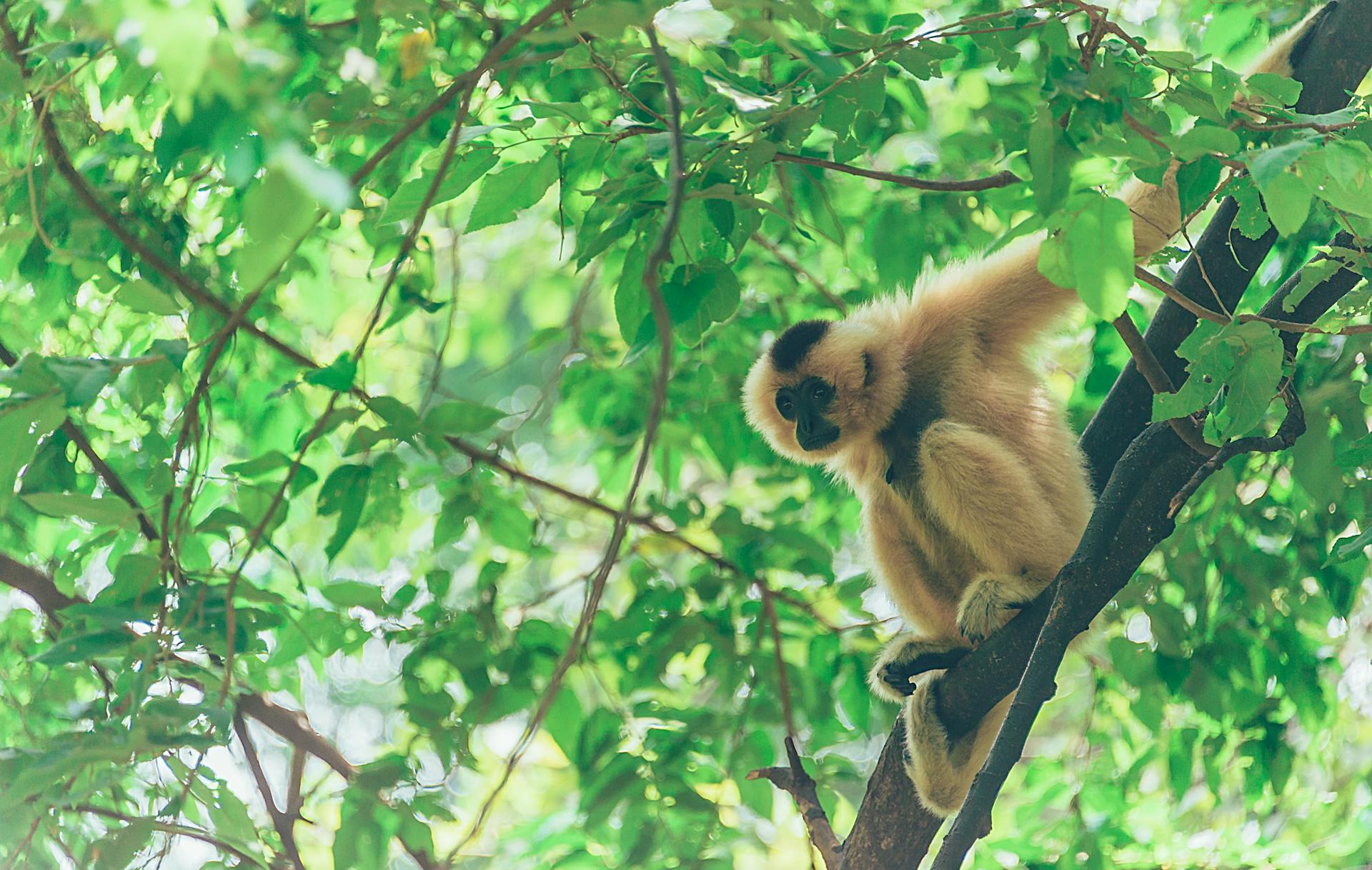
Hainan gibbon populations have been under serious threat following deforestation and hunting and are currently the rarest primate on earth. The conservation efforts have been directed at the preservation of the habitat, intensive anti-poaching patrols, and close attention to their population to guarantee survival. Through the creation of a secure and steady environment, such efforts have been able to slowly enhance population stability and provide hope of a long term recovery. Field research and constant guarding have contributed to the minimization of short-term risks and the Hainan gibbons have flourished in the regions where they were previously facing extinction. The working with local communities has been crucial, and conservation measures have been respected and sustained with time.
Small population stabilization through intensive monitoring
Habitat protection against logging and human encroachment
Community engagement in local conservation initiatives
Anti-poaching measures and legal enforcement
Research-driven insights guiding adaptive management
Act to Protect the Hainan gibbon Now!
Pangolins
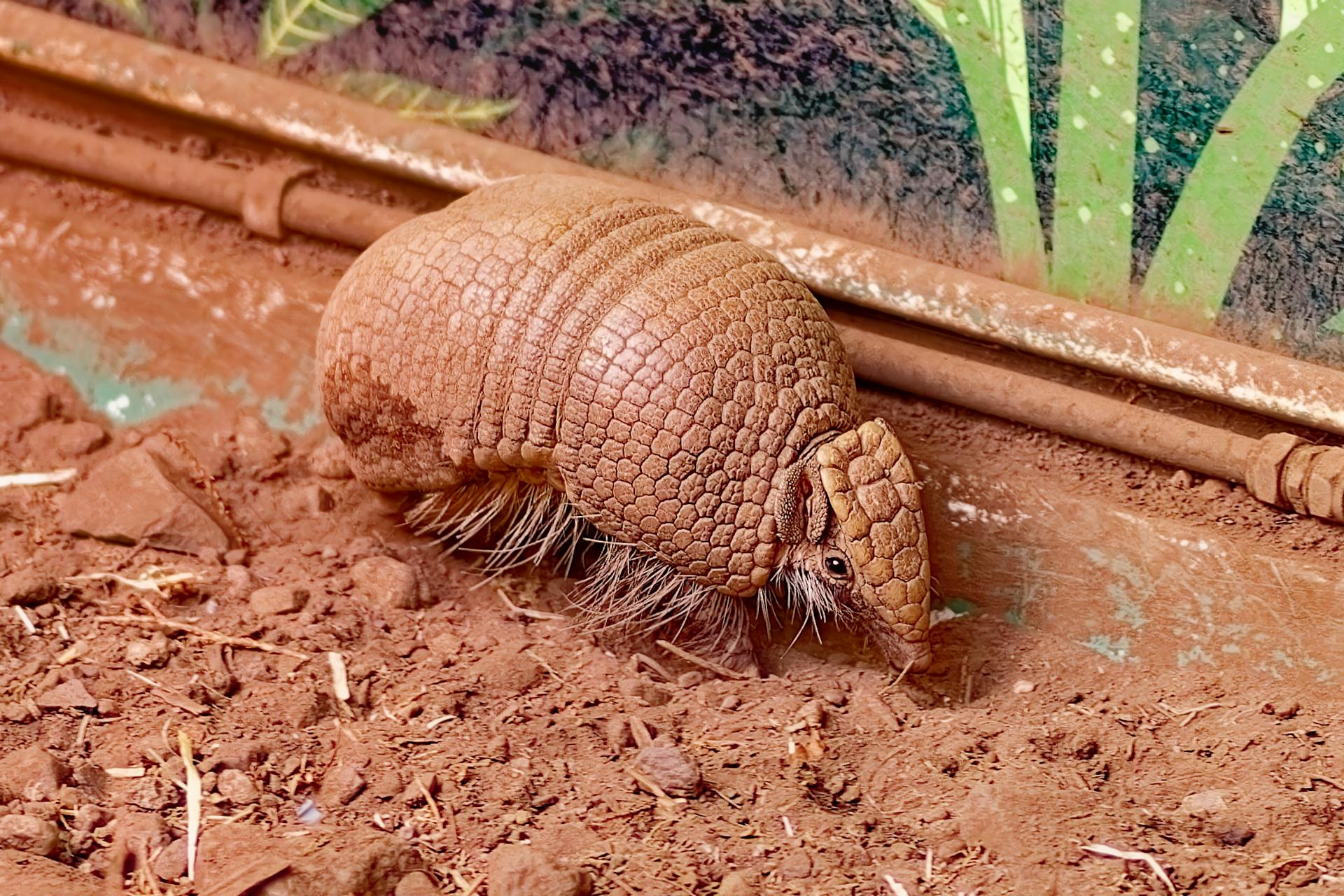
Pangolins are some of the most poached mammals in the world with a high risk of extinction due to hunting and degradation of habitats. Some of the measures taken to protect these animals are the creation of anti-poaching departments, rehabilitation of those that have been rescued, and the creation of awareness to the local communities about the ecological value of these creatures. The results of intensive fieldwork have made major achievements in stabilization and recovery of the populations, and rigid control over illegal trade guarantees the long-term protection. Advocacy and research are also important, as they affect policies that are favorable to the pangolins and the ecosystems where they live. The detailed treatment in the rehabilitation centers assists young pangolins to grow stronger and adjust to life in the wild.
Community-based monitoring and anti-poaching patrols
Rehabilitation of confiscated individuals
Awareness campaigns to reduce illegal trade
Research-driven protection strategies
Advocacy for policy changes supporting conservation
Rescue and Restore Pangolins Today!
Partula affinis

An example of how rapid intervention may save the total loss of a species is partula affinis snails. They were on the verge of extinction but conservationists have managed to breed them and reintroduce them back in their home habitat. The conservation of these snails helps to preserve the fragile ecological equilibrium of Polynesian ecosystems, which explains the need to preserve even the tiniest animals. The populations have become sustainable through careful monitoring, captive breeding programs and habitat restoration projects and have given hope to the recovery of the species that previously were thought to be doomed. Local communities have also been made to understand their ecological role through educational programs.
Captive breeding and population restoration
Habitat rehabilitation in native regions
Long-term monitoring of reintroduced populations
Conservation education and community outreach
Preventive measures against invasive species
Support the Survival of Partula affinis Now!
Hazel dormouse
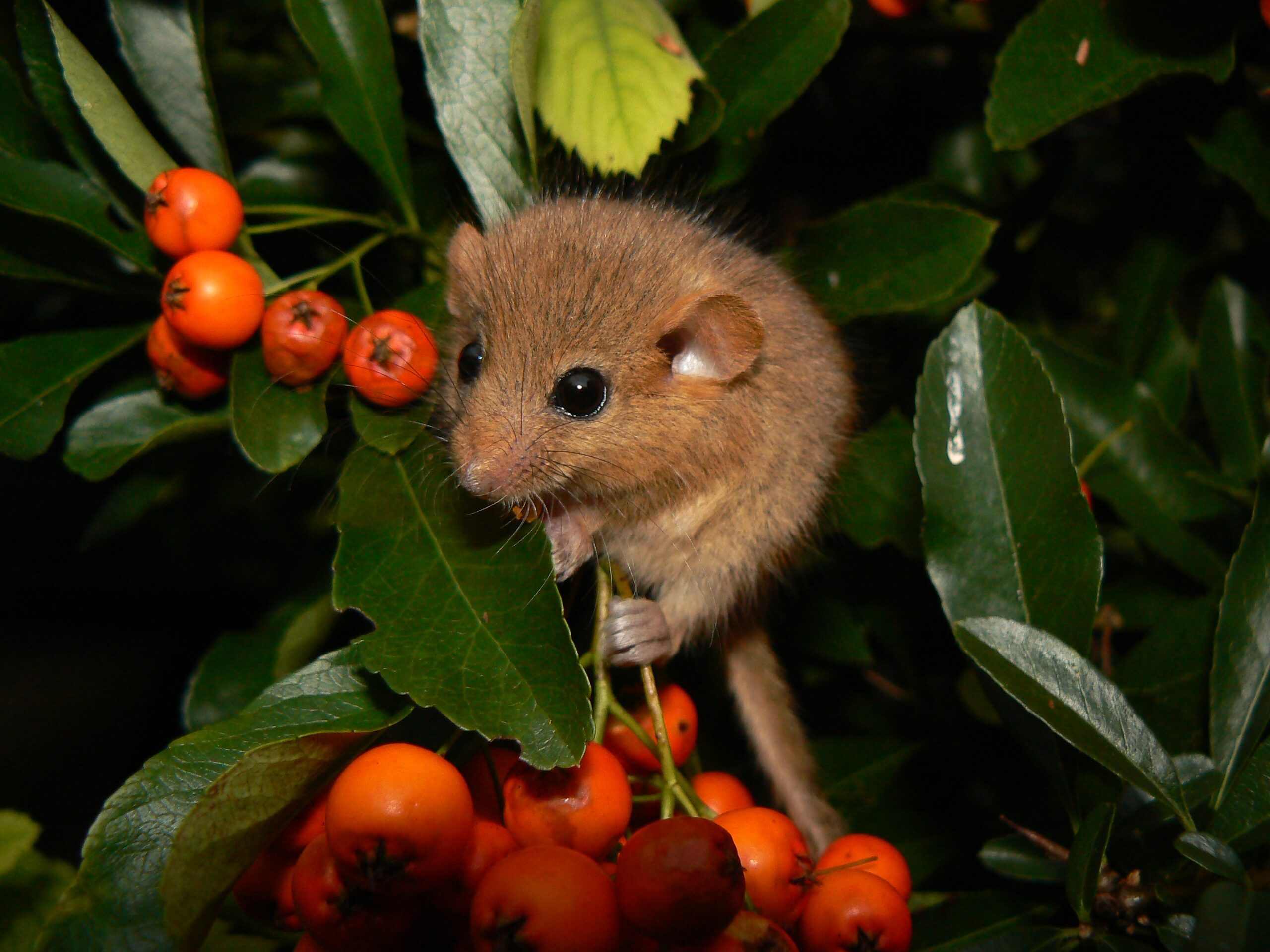
Hazel dormouse reintroduction projects have revived populations in the British countryside where numbers had declined drastically. Conservation strategies include establishing protected corridors, monitoring population health, and ensuring sufficient food resources and shelter. These initiatives have successfully reintroduced over a thousand dormice, creating new opportunities for ecological restoration and biodiversity enhancement. Combining scientific knowledge with local engagement ensures that the dormice thrive in both managed reserves and wild habitats, contributing to a healthier ecosystem overall.
Habitat restoration and creation of ecological corridors
Population monitoring and health assessments
Protection against predators and environmental threats
Community involvement in conservation programs
Ensuring food and nesting resource availability
Bring Hazel Dormice Back to the Wild Today!
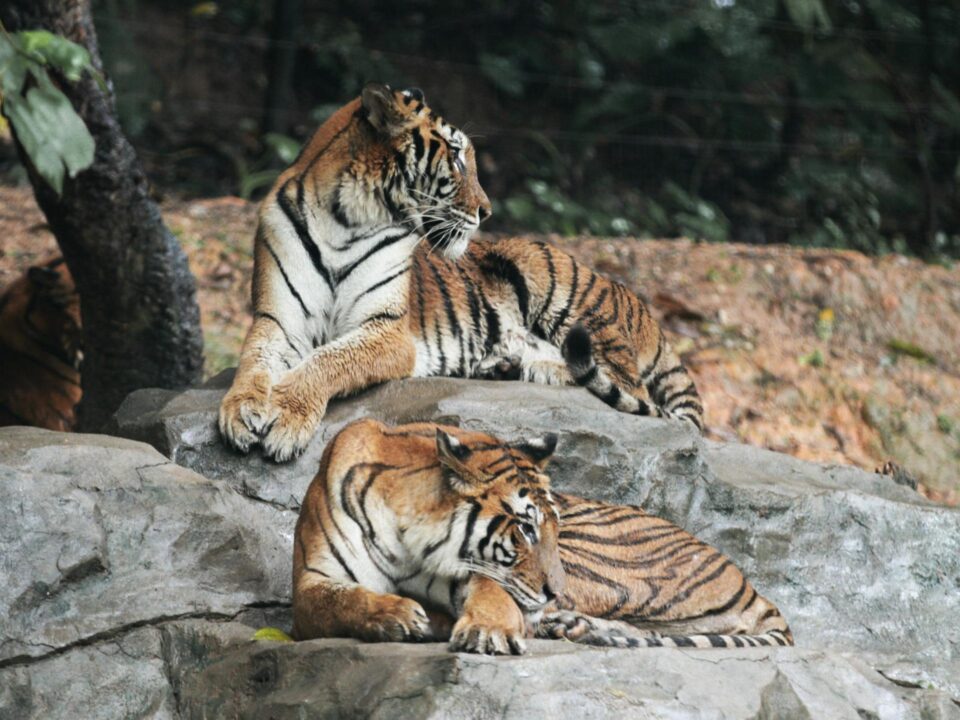
Bengal tigers

The Bengal tigers In Nepal, a spectacular recovery has been observed in population due to intensive conservation exercises. With the creation of wildlife zones, wildlife surveys, and anti-poaching patrol, the numbers have increased by more than two folds within the past decades. The projects will involve field research, habitat management as well as community participation experiences which prove the efficiency of combined conservation measures. The recovery of the tigers does not only help in the maintenance of the biodiversity but also enhances the ecological stability of the forests. Human and wildlife are able to co-exist sustainably through joint efforts and this has been a model to be emulated in conservation programs of the tigers around the globe.
Establishment of protected reserves
Anti-poaching enforcement and monitoring
Population surveys and research
Habitat management and restoration
Community engagement for coexistence
Protect Bengal Tigers for Future Generations!
Join the Fight Against Illegal Wildlife Trade!
A Brighter Future for Wildlife
The way to the wildlife recovery is difficult but possible. It is possible to restore the population of endangered species with the help of science and community efforts, and also to restore the deteriorated habitats through committed protection efforts. The joint work of researchers, conservationists, and local people proves that the significant change can be made when all the actions are intentional and cooperative.
Biodiversity restoration not only helps the wildlife, but also humans by making ecosystems healthier, which are sources of food, water, and climate control. Through the experience of other successful conservation models, these strategies can be applied in the rest of the world, which will guarantee a secure future of the planet and humanity. The examples of the species that have been rescued demonstrate the strength of persistence, creativity, and scientifically-supported interventions, and make the future generations hopeful.
Funding of such projects has been a game changer, and it goes to show that even little efforts when combined in communities and regions can create a huge impact. Conservation, be it advocacy, volunteering or donation, enables individuals to be directly involved in the recovery of wildlife. When we are determined to change the world in the long run, we can imagine a world where the ecosystems are healthy, species are abundant and human beings coexist with nature in a balanced and harmonious manner.