
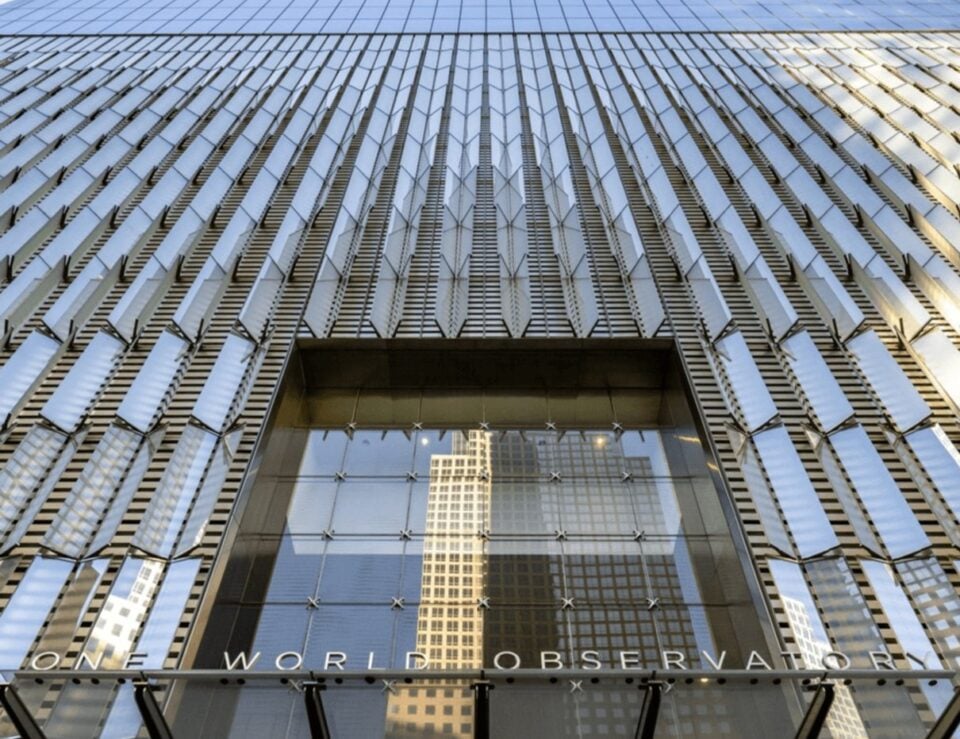
We compare the published ticket tiers, visitor experience and practical trade-offs so you can choose the right One World Observatory visit.
One World Observatory – New York is easy to understand at a glance: go to One World Trade Center, take in Lower Manhattan from above, and decide whether the visit is best kept simple or built around added access and dining. The harder question is value. The prices are close enough to invite an upgrade, but the inclusions are different enough that the most expensive option will not suit everyone.
Our review uses the brand’s current ticket information, experience pages and restaurant details. The brand lists panoramic views, the SkyPod elevator journey, immersive exhibits and City Pulse storytelling as part of the wider visit. We are assessing what those published details mean for different kinds of visitors, not claiming hands-on testing.
This article contains affiliate links. If you buy through them, we may earn a commission at no extra cost to you.
At a glance
- Standard General Admission starts at $39 and covers the observatory views.
- Combination Experience starts at $49 and adds priority entry, One World Explorer and a $5 food, drink or shop credit.
- All-Inclusive Experience starts at $59 and adds arrival-time choice plus a $15 credit.
- VIP Tour starts at $69 and includes escorted entry and a 60-minute guided tour.
- The listed tickets carry a $3.50 plus tax processing fee; ONE Dine a la carte reservations also require observatory admission.
The visit is more than a view
The central proposition is strong and specific. One World Observatory sits at One World Trade Center and presents the city from the highest point in New York City, according to the brand. The visit is framed as a sequence: the SkyPod elevator experience, the See Forever Theater, City Pulse and the observation levels. That gives the ticket more structure than a simple lift to a viewing floor.
For a first-time visitor, the attraction’s advantage is therefore not only the panorama. The brand also offers the One World Explorer, a digital skyline guide included with the Combination and All-Inclusive tiers. It is a useful distinction on paper, although its value depends on whether your group wants guided context or would rather spend the visit looking out and taking photos.

Our reading of the evidence is that the base ticket makes the most sense when the view itself is the priority. The extras become more persuasive when you care about queue management, arrival flexibility, or making the observatory a longer part of a day in Lower Manhattan.
Where the four ticket tiers earn their price
Standard General Admission is the cleanest value test at a listed starting price of $39. It includes the views, which means it is the sensible entry point for locals, repeat visitors and travelers who already have a full itinerary. Remember that the site says prices start at this amount and adds the processing fee, so the checkout total can be higher.
At $49, the Combination Experience adds priority entry through security, elevator and exit, One World Explorer, and a $5 credit to use at the cafe, bar, restaurant or gift shop. This is the most defensible upgrade for a visitor with limited time. It adds practical convenience without asking you to pay for arrival flexibility or a guided tour you may not use.
The All-Inclusive Experience is listed from $59. Its useful additions are the ability to select a morning, afternoon or evening arrival window and a $15 credit. That credit can soften the price gap if you planned to eat, drink or shop onsite anyway. It is less convincing for a short photo stop where you will not use the included credit.
- Best for budget control: Standard, when the skyline is the complete plan.
- Best for a tight schedule: Combination, because priority entry is the clearest practical upgrade.
- Best for a slower visit: All-Inclusive, if you will use the timing choice and $15 credit.
- Best for guided context: VIP Tour, when a hosted 60-minute tour matters.

VIP is about attention, not a taller view
The VIP Tour starts at $69 and includes the same core skyline proposition, plus priority entry, a $15 food, drink or shop credit, escorted entry and a 60-minute guided tour. The brand positions it as an exclusive experience, but the concrete reason to choose it is the human guidance and smoother arrival rather than greater height.
That makes VIP a good fit for a celebration, a family group with different levels of New York knowledge, or a visitor who wants the attraction interpreted for them. It is less compelling for independent travelers who prefer to set their own pace. A guided hour is a feature, not automatically better value.
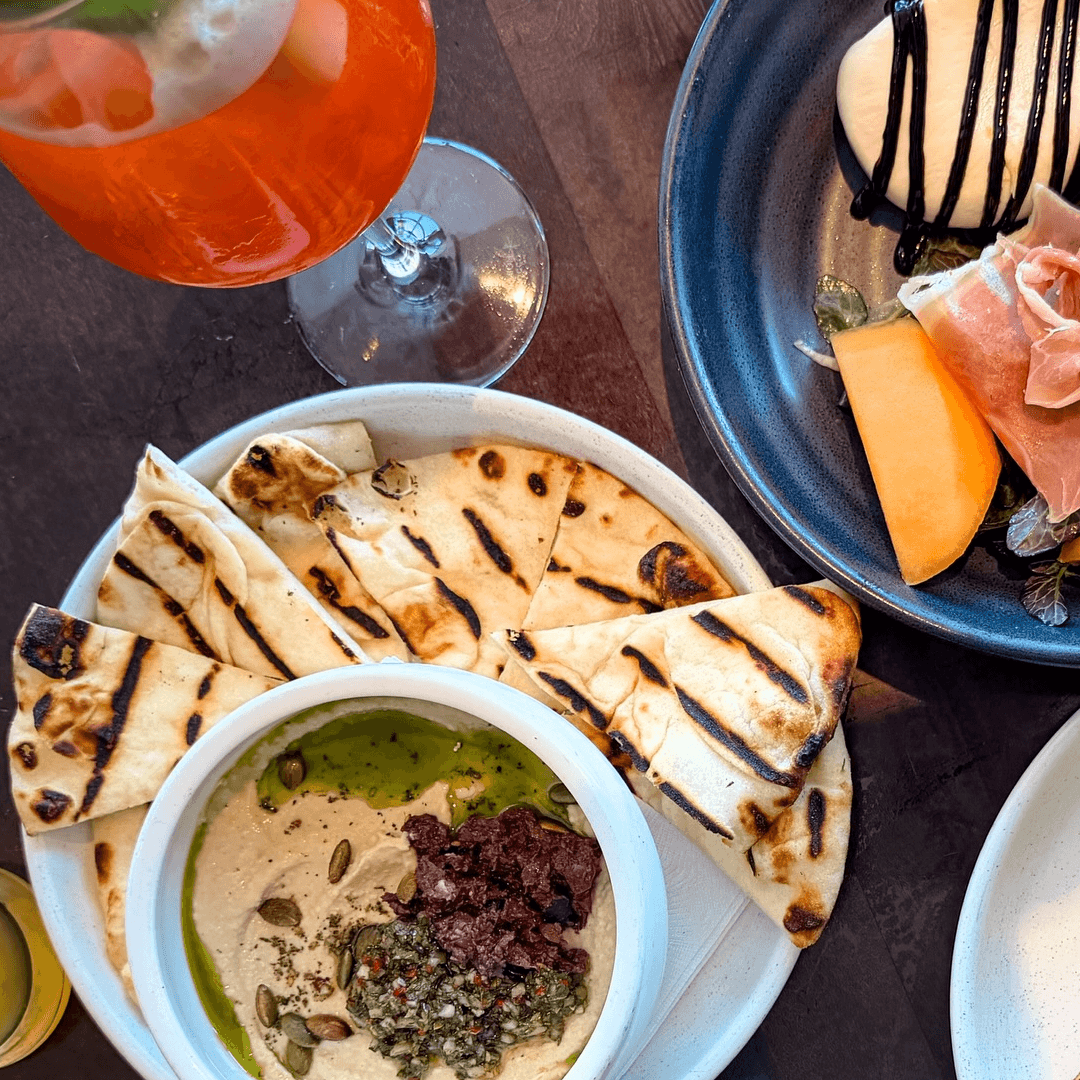
The site also promotes a VIP Tour and Dine Experience. Separately, ONE Dine describes seasonal New American cuisine, craft cocktails and dining above 1,000 feet. For a special occasion, pairing the view with a meal changes the rhythm of the day; for a simple sightseeing stop, it adds cost and time that should be deliberate.

The advantages and the limits
What the research supports
- Clear tier logic: every step adds a named feature rather than a vague premium label.
- Useful location: the observatory sits in Lower Manhattan near other major downtown attractions.
- Multiple pacing options: visitors can choose a basic view, priority access, arrival flexibility or a guided format.
- Dining extension: ONE Dine can turn a short attraction stop into a meal-led plan.
What could improve
- The published starting prices do not represent the final total because the processing fee is added.
- The value of the higher tiers depends on using the credit and access benefits; they are not automatic savings.
- ONE Dine a la carte reservations require observatory admission, so diners cannot treat it as a fully separate restaurant stop.
- Hours change seasonally, and live availability, inclusions and offers should be checked before booking.

Who should book which version?
Choose Standard if you are prioritizing the skyline and already know how you want to spend the rest of the day. Choose Combination if avoiding avoidable queues and using a digital guide would make the visit smoother. Choose All-Inclusive when you can plan around an arrival window and expect to spend at least part of the credit onsite.
VIP is for visitors who value a hosted experience. It is the clearest choice for a celebration or group that wants more context, but the extra $30 over Standard should be justified by the tour and service elements. If the real goal is dinner, inspect the ONE Dine information alongside the ticket rather than assuming the meal is included in every tier.
Before paying, check the current ticket availability, seasonal opening hours, arrival details, fee and cancellation terms. That final review matters because the brand describes prices as starting points, and offers can change.
Our verdict
Based on the published inclusions, Combination is the most balanced upgrade for many first-time visitors: it adds priority entry, the digital guide and a modest credit without moving into the more occasion-specific pricing of All-Inclusive or VIP. Standard remains the better choice when the view is the only must-have.
The honest limitation is that we cannot verify queue times, crowd levels, weather or the live usefulness of every included feature from the site research alone. One World Observatory – New York is worth the price when you choose the tier around your day, not when you assume the highest tier is automatically the best.
Our verdict: choose Standard for the view, Combination for practical value, and VIP only when guided attention is part of the occasion.