
There is a difference between a toy that photographs beautifully and one that still gets pulled out on a wet Tuesday. I compared the range at Mekas Sensory Play, looking for repeat-play value, clear use cases and practical details. The brand focuses on tactile, open-ended play, with trays and accessories that move from water to rice to paint, alongside tools for light, color and emotional learning.
My short version: the range is thoughtfully modular, visually inviting and strongest when you build around one versatile base. It is not the cheapest route to a sensory setup, and adult supervision is part of the deal. Still, the better pieces feel like equipment rather than clutter.
How I judged the range
I used four questions while comparing product details: does the item invite more than one activity, is the claimed learning benefit visible in the design, can it combine with another item, and is the listed price proportionate to likely use?
- Repeat play: can the item support different materials or games?
- Hands-on value: does it give children something meaningful to do?
- Mix-and-match: can it grow into a setup?
- Practical friction: what will storage, mess and supervision ask of an adult?
Three products that make the clearest case
The best starting point: Deep Tuff Tray + Translucent Funnels
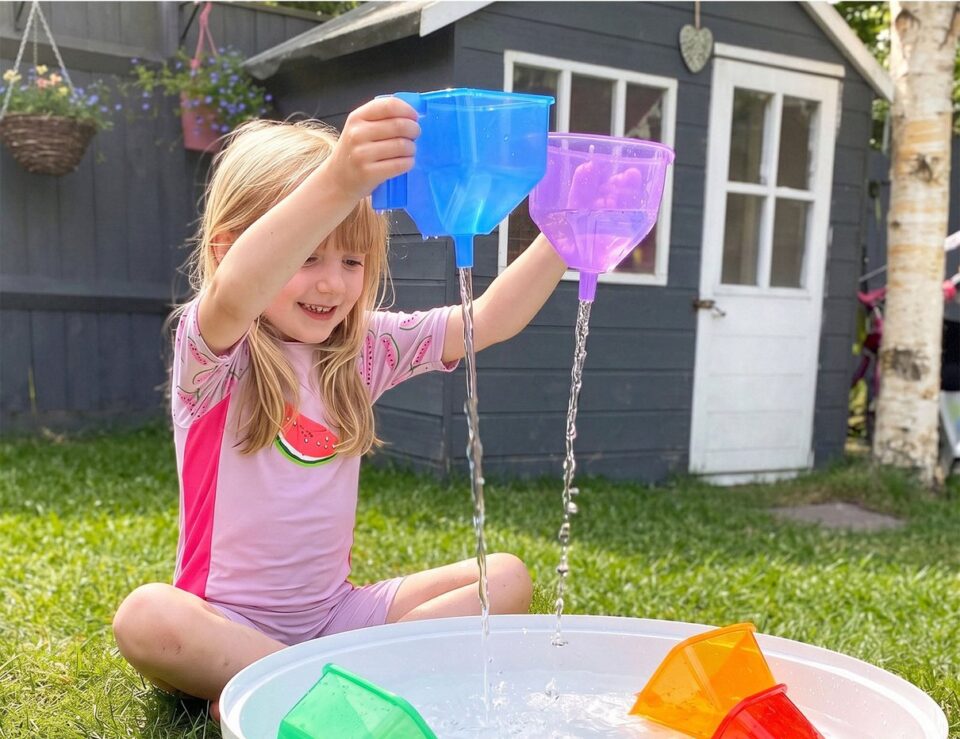
At $104.49, the Deep Tuff Tray + Translucent Funnels is the most convincing foundation. The 4.5-inch depth gives water, sand, rice and other loose materials room to move. The translucent funnels add pouring, scooping and cause-and-effect play, so the tray is not locked to one theme.
This is where Mekas Sensory Play earns its keep. The same base can host a construction challenge, a water station or a seasonal small-world scene. My reservation is simple: a deep tray plus loose materials needs a sensible floor, storage plan and grown-up nearby. If you want a tidy, no-prep toy, this is the wrong category.
The focused learning tool: Social Emotional Learning Felt Insert
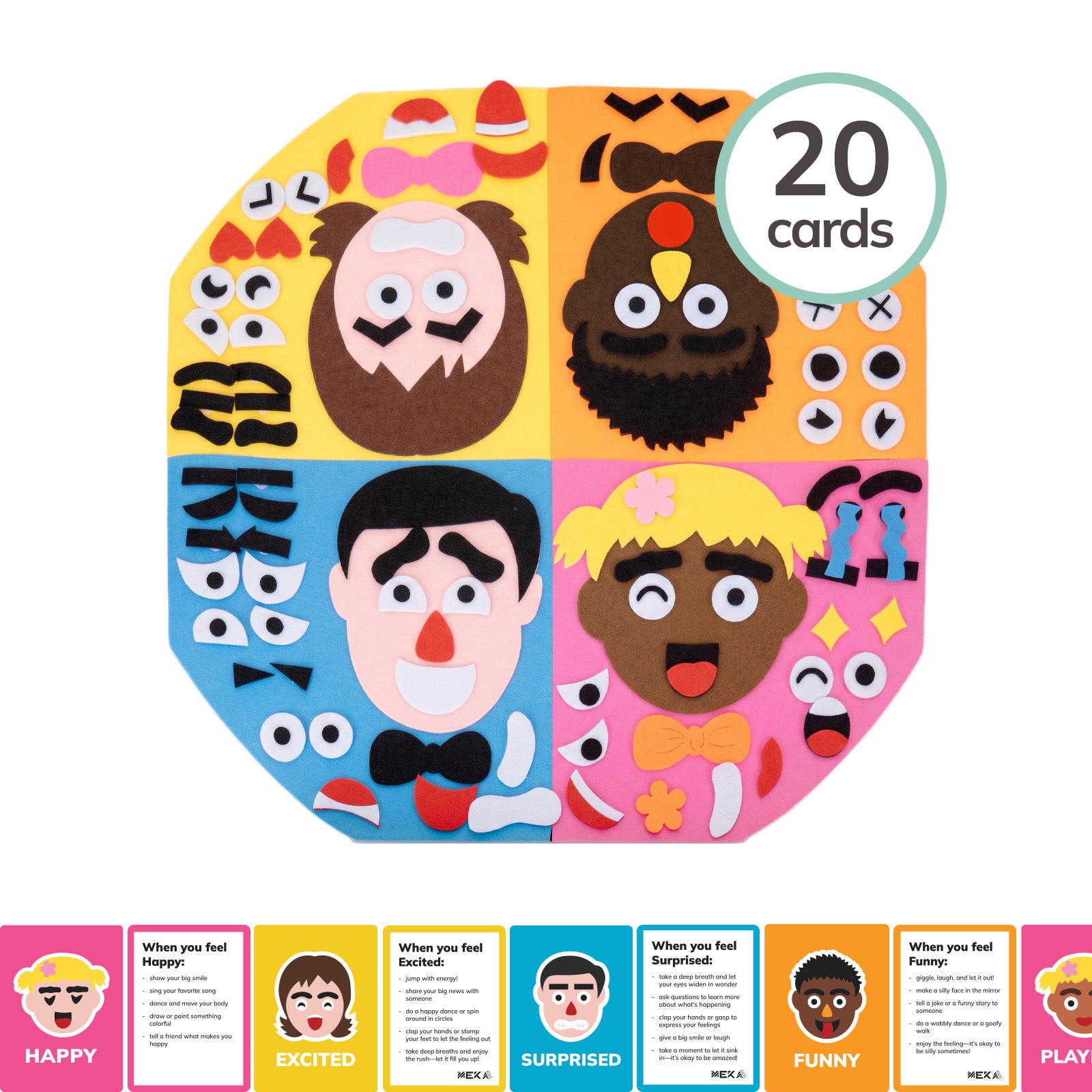
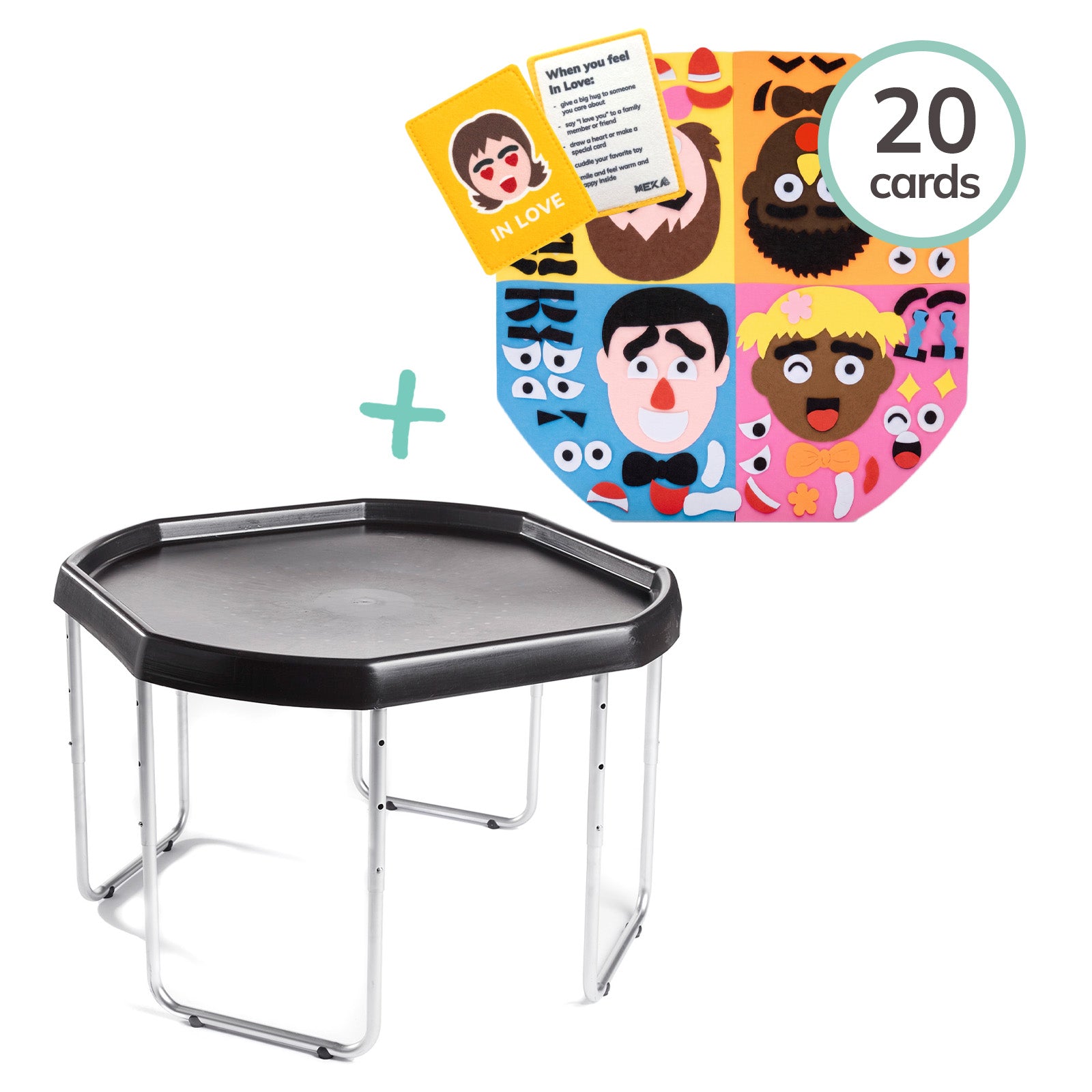
The Social Emotional Learning Felt Insert costs $75.00. Children build faces with different expressions, giving an adult a concrete prompt for happy, sad, angry or surprised feelings. That specificity turns an abstract conversation into tactile matching and storytelling.
I would buy it after checking compatibility with a Large MEKA Tuff Tray. On its own, the insert is less flexible than a tray or light tool. With the right base, it can become a repeatable calm-down or classroom activity. See the current insert details before ordering.
The ambitious option: RGB Light Lab Tray
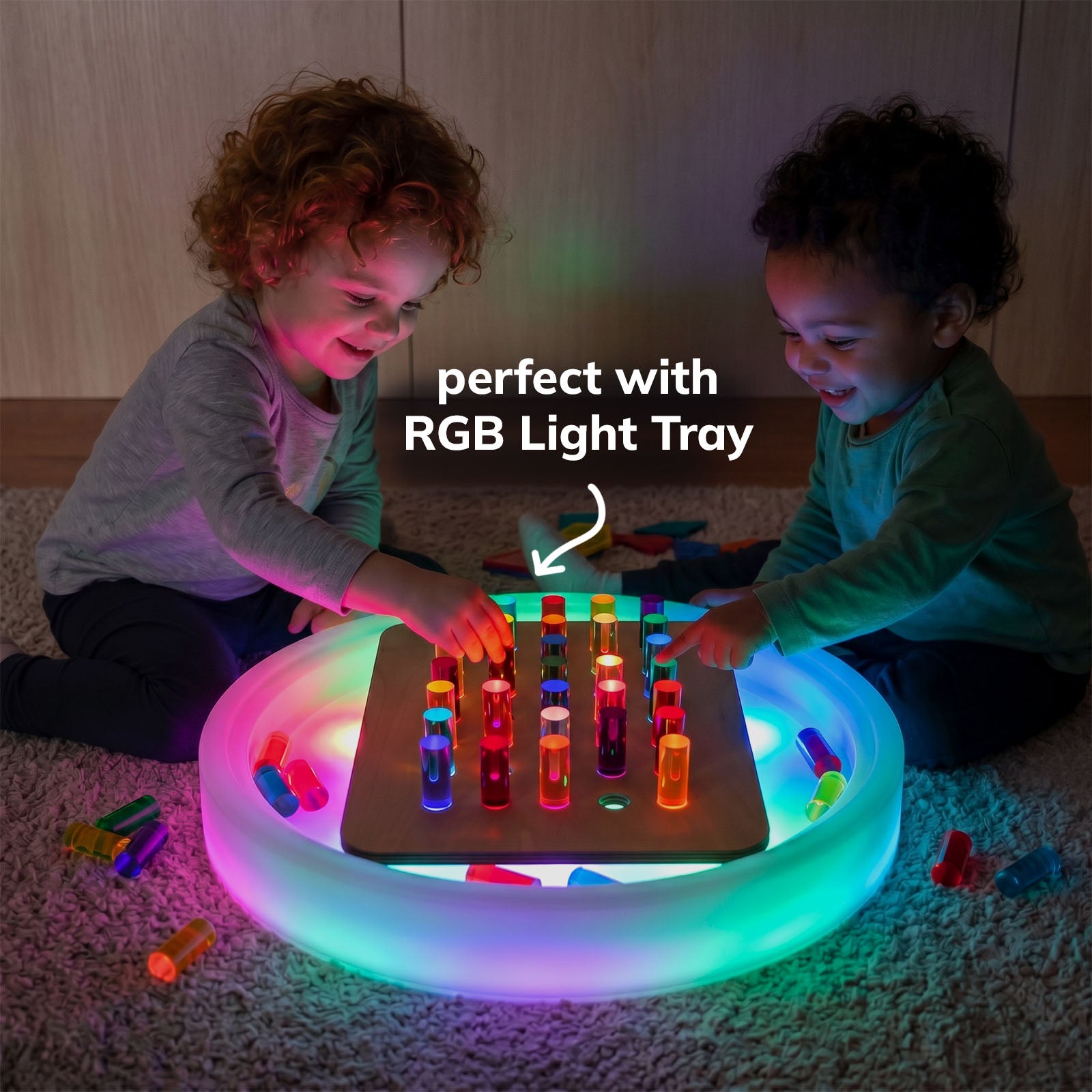
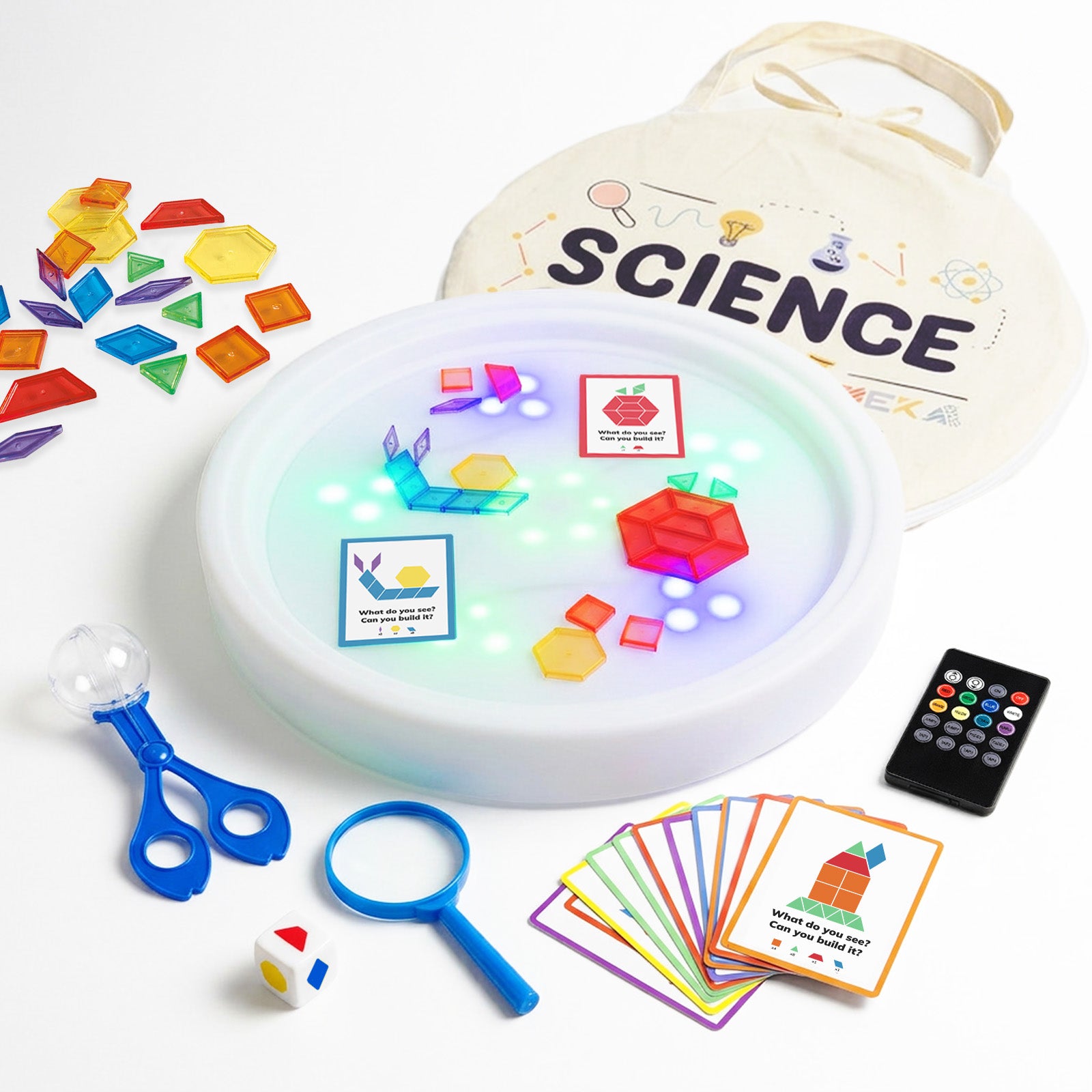
The RGB Light Lab Tray is listed at $159.00. Its clearest features are white or RGB light, touch controls for color and brightness, sound-reactive play responding to claps, and USB recharging. It can support color mixing, pattern work, translucent objects and simple cause-and-effect experiments.
The tradeoff is price and setup. A light tray is most rewarding when you have translucent materials to hand. I like it as a shared station; for a first purchase, I would put the money into a versatile tray first.
Where the range is genuinely strong
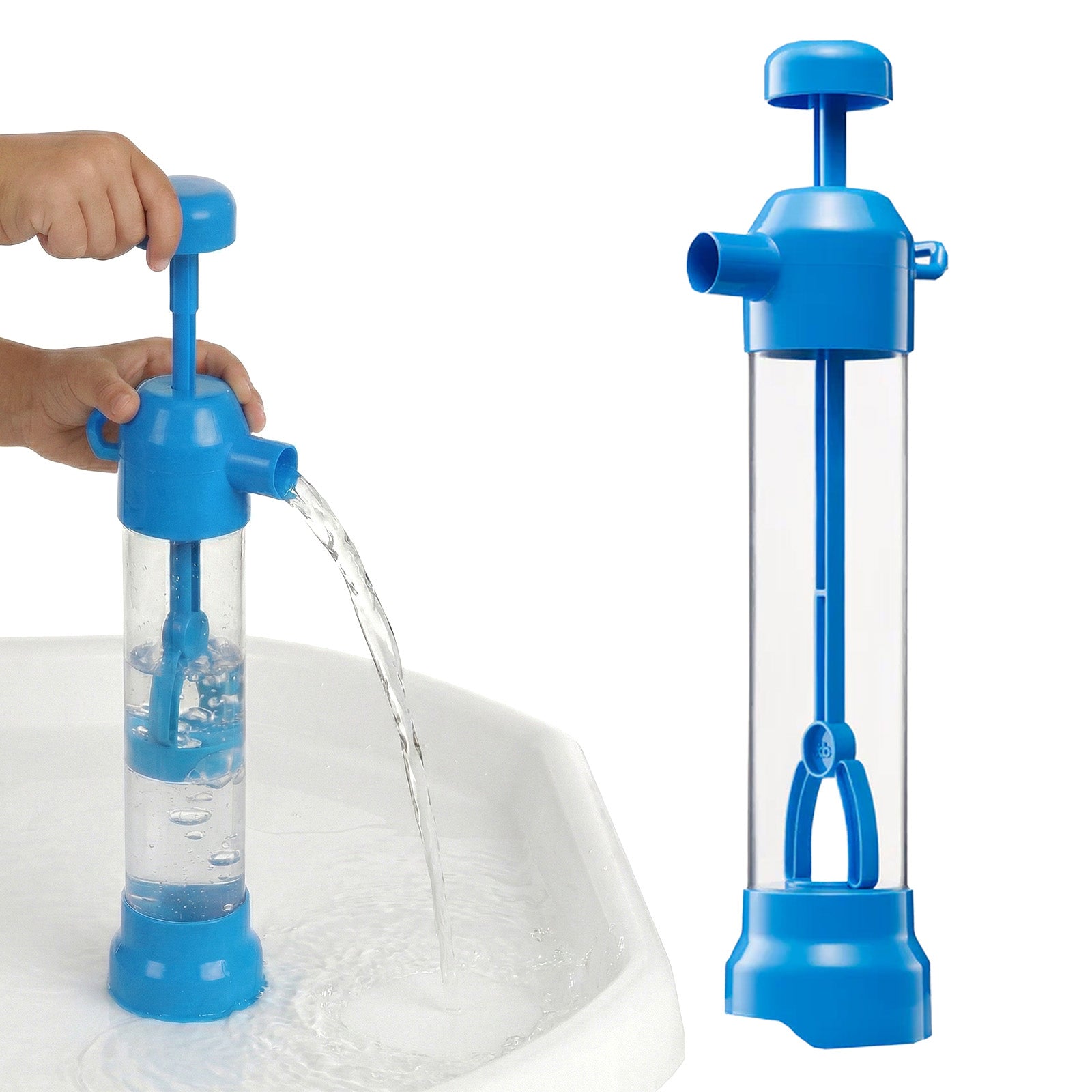
The recurring advantage is open-ended modularity. Add a Water Pump priced at $34.99 for moving-water experiments, or a Textured Art Tools Set 1 at $21.99 for tactile mark-making. These add-ons change what a tray can do without requiring another large piece of furniture.
- Water and sand play with funnels, pumps and pouring challenges.
- Color and light play with translucent objects and patterns.
- Emotional vocabulary through face-building and storytelling.
- Fine-motor practice through grasping, stacking, scooping and stamping.
The Translucent Color Stacking Blocks are listed at $19.99. The cups stack, stamp shapes in sand or dough, and let water or fine sand pass through counting holes. That is a lot of activity for a small accessory, although small parts mean age-appropriate supervision.
Pros, cons and the setup I would choose
Pros: the range is visually engaging, products have clear activity hooks, and the modular format refreshes play without replacing everything. Prices are visible. The Tuff Tray Set + Social Emotional Learning Insert is listed at $268.85 and combines a base with a purposeful insert.
Cons: the total cost climbs with accessories, storage and consumables. Product photography shows a polished setup, while the adult still gathers materials and cleans them. Light-based pieces need intentional facilitation. Review the full range with your available space in mind.
- Start with the Deep Tuff Tray for maximum flexibility.
- Add the Water Pump or funnels if movement is the draw.
- Choose the Felt Insert for emotional-learning goals.
- Move to the RGB Light Lab Tray when light play has a clear place.
Final verdict
Mekas Sensory Play is best for families, educators and play-focused spaces that value repeatable, hands-on invitations over single-use toys. The real advantage is a sturdy base that accepts different materials, tools and learning prompts. The real cost is floor space, cleanup and adult attention.
If I were spending my own money, I would begin with the Deep Tuff Tray + Translucent Funnels, then add one small accessory. For a targeted choice, Rainbow Peg Board at $95.00 is the color-and-fine-motor pick.
The strongest buying case is the flexible tray, because it lets you test the format before committing to specialized tools. That matters if you are working with a small play area or a child whose interests change quickly. I would also budget for washable materials, a drying spot and a container for accessories, since those simple systems make repeat use much more likely.
Mekas Sensory Play earns a recommendation when you want modular, repeatable play and have the space to manage the mess.