
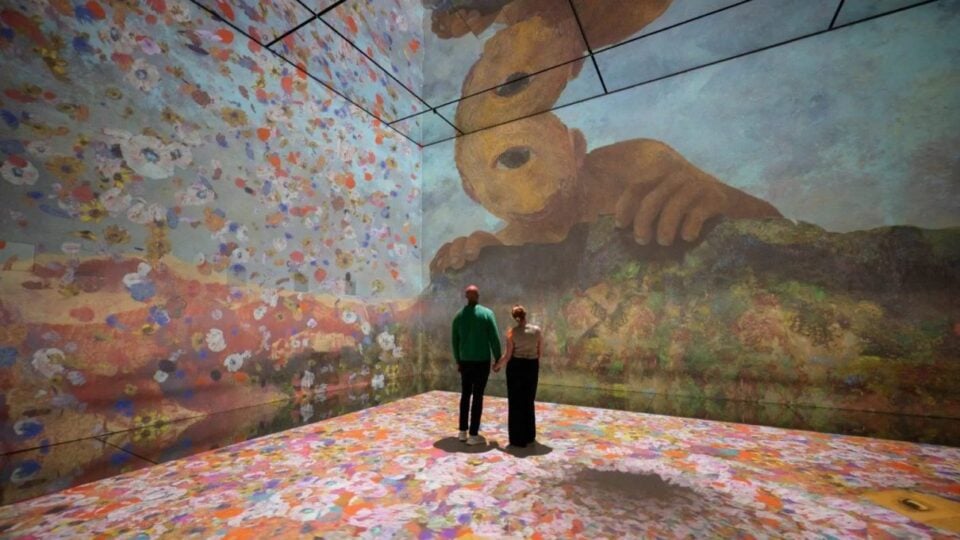
A research-led look at Frameless’s gallery format, changing exhibitions and visit options, with guidance on who is likely to enjoy it most.
Frameless takes familiar artworks out of a conventional frame and projects them across large rooms with accompanying sound. That changes the scale of the viewing experience, but it also raises a practical question: does the format reward a full visit, or is it mainly a visual spectacle?
We reviewed Frameless’s UK programme and visit information to weigh its strengths, trade-offs and best-fit audiences. The venue describes four permanent galleries, a changing residency programme and optional experiences, so the choice depends on whether you want a broad art visit or a more focused occasion.
We may earn a commission when you buy through links on this page, at no extra cost to you.
Key facts: Standard admission covers four permanent galleries and more than 40 artworks. FRAMELESS Lates, the changing wildlife exhibition and The Art of You add different reasons to visit, but extra experiences and the projection-led format will not suit every art lover.
Frameless makes scale and movement part of the artwork
The venue’s clearest strength is the way it makes viewing physical. Its four galleries group works through themes including surrealism, colour, landscapes and abstraction; large projections and sound let visitors look around a scene rather than only at a framed rectangle. For someone who likes a sensory interpretation, that can make works feel approachable and memorable.
Frameless says its permanent galleries bring together more than 40 artworks, with artists including Monet, Canaletto, Klimt and Kandinsky. That range gives a first visit more substance than a single artist installation. Standard admission is the most direct way to see the full permanent format, and the gallery visit details explain the current booking options.
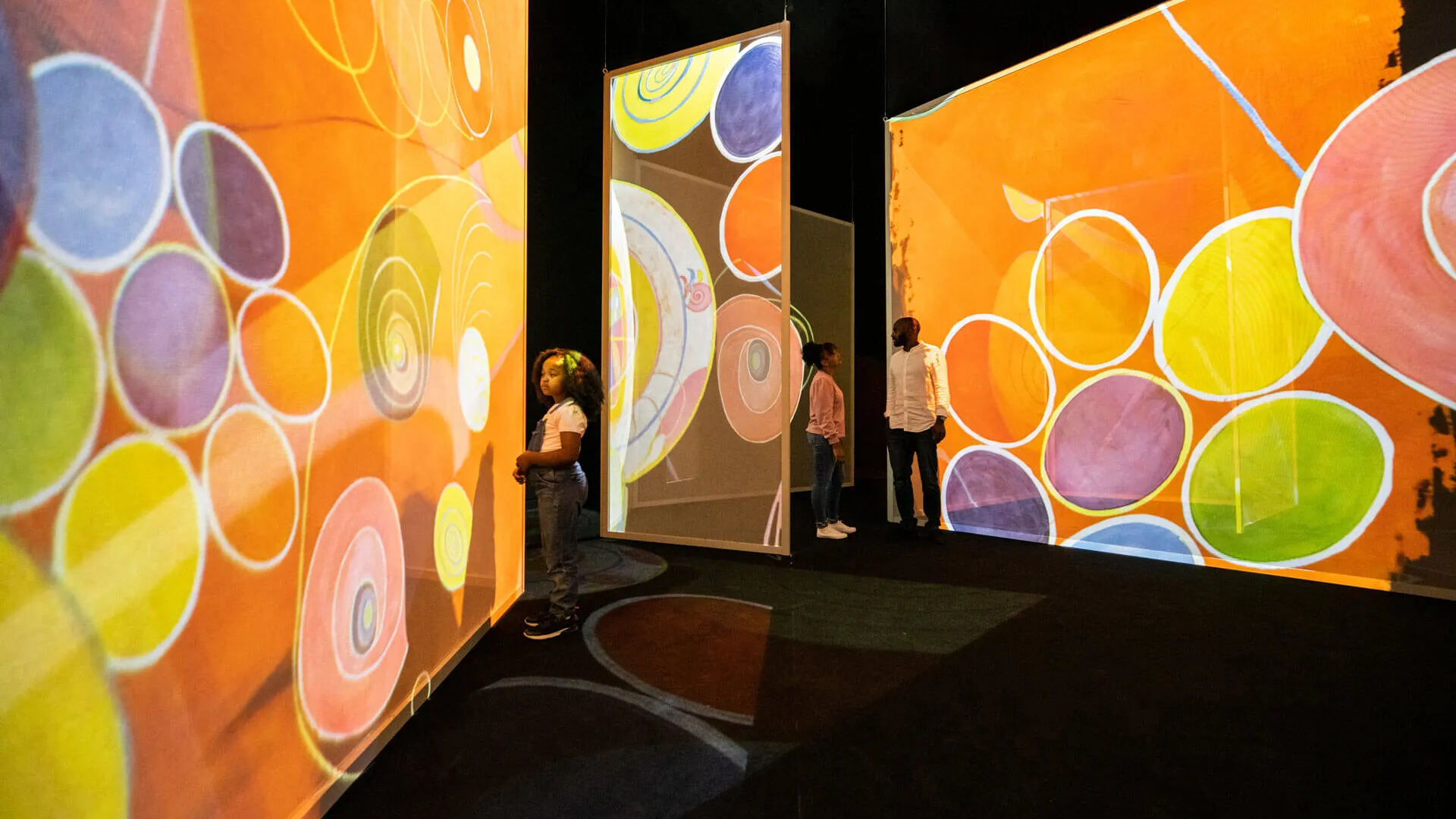
The trade-off is that projection takes interpretive control away from the viewer. Images shift across walls and floors, and the soundtrack shapes the mood. Visitors who prefer quiet rooms, labels and time with a single original may find the presentation busy or less contemplative than a traditional gallery. The format is best approached as an interpretation of art, rather than a substitute for close study of the physical works.
- Strong fit: visitors who enjoy immersive spaces and visual storytelling.
- Worth considering: groups with mixed familiarity with art, since the large-scale presentation is easy to enter.
- Less suited: visitors seeking a quiet, object-focused museum visit.
The four galleries offer breadth, with a sensory trade-off
The broad permanent programme is the strongest case for a standard visit. Themes give the rooms different visual moods, while the shared projection approach makes the venue feel coherent. Standard admission includes the core gallery experience; visitors can check the current ticket options before choosing a date.
It is still a particular way of seeing art. Movement, scale and sound can draw attention to details, but they can also compete with the work itself. The question is not simply whether the images look impressive; it is whether a visitor enjoys interpretation that is deliberately immersive. Groups should also consider sensory preferences, since a room-scale audiovisual environment is likely to feel more stimulating than a conventional exhibition.

- Choose the core visit when seeing several art themes matters more than a single exhibition.
- Allow time to move between rooms at your own pace.
- Check venue access and visit information if sound or shifting imagery affects your comfort.
Extra experiences add focus but narrow the reason to go
The Comedy Wildlife Awards Immersive Experience brings animal photography into habitat-themed environments. Frameless describes it as a limited residency, so it offers a distinct subject alongside the permanent galleries rather than replacing them. It may be the most appealing choice for visitors drawn to wildlife images, though the temporary nature means checking the programme before planning around it.
The exhibition page gives the current details, while the admission page is where to confirm how it fits into a visit. Treat it as an added focus, not the whole value of the venue.

FRAMELESS Lates adapts the experience for an evening audience. The venue describes it as after-hours access with a social atmosphere; this changes the timing and feel more than the underlying art format. It suits adults looking for a cultural evening, but visitors who want a quieter or family-oriented daytime visit should compare dates and event details first.
For an extra interactive element, The Art of You Photo Experience places the visitor into a portrait-style image. It is a separate add-on experience, so it makes sense for people who want a personal memento and less sense for those interested only in the galleries. Check the experience information alongside standard admission before deciding what belongs in the plan.

That evening format is a useful alternative when the social setting matters as much as the gallery content.

The visit suits curious groups more than art purists
Frameless has a clear audience: people open to a multisensory interpretation, families or friends who want a shared visual experience, and visitors who find scale and sound useful entry points to art. The changing programme can also give returning London visitors a new subject to look for, while Lates creates a more occasion-led version of the visit.
Its limits follow from the same design choices. If your priority is seeing original works up close, reading extensive object labels or spending long periods in quiet, this should not be your only gallery stop. It is also worth comparing the additional experiences to your interests: the wildlife residency and The Art of You serve different purposes, and neither is essential to understanding the permanent galleries.
- Start with the permanent galleries if this is your first visit.
- Add Lates when an evening setting matters.
- Check whether the current residency matches your interests.
- Consider The Art of You only if the photo experience appeals.
Before you decide
Our recommendation is to choose Frameless for the scale, sound and variety of its four-gallery presentation, especially if your group enjoys visual environments that interpret art rather than display it conventionally. Start with Standard admission for the broadest sense of the venue, then check whether the residency or an evening event makes the visit more relevant to you.
The honest limitation is that its immersive style can feel busy, and it does not replace the slower experience of viewing original works in a traditional gallery. Check current availability and what is included before booking, particularly if you are planning around an add-on or temporary exhibition.
Frameless is a strong choice for visitors who welcome art at room scale, but a less convincing fit for those seeking quiet, close looking at originals.