
A concise guide to Gina Tricot’s Swedish roots, everyday design approach and the UK-store pieces that show how its range works.
A first visit to Gina Tricot can mean choosing between a trend-led outfit, a reliable everyday layer or a specific denim fit. The Swedish fashion retailer covers those needs across clothing categories, so it helps to understand how its range is organised before browsing individual pieces.
We reviewed the brand and product information presented by its UK store. This overview focuses on the design cues and product details that help a new shopper decide where to start.
We may earn a commission when you buy through links on this page, at no extra cost to you.
Key facts: The UK range spans denim, knitwear, dresses and other womenswear, with both wardrobe basics and more expressive seasonal pieces. Product pages include useful fit and construction notes; a first-time shopper can begin with a category or silhouette, then use those details to narrow the choice.
Gina Tricot connects Swedish roots with accessible wardrobe dressing
Gina Tricot began in Sweden and has grown into a fashion retailer with a broad womenswear offer. Its online assortment presents clothing as a wardrobe to combine: denim, tops, knitwear, dresses and accessories sit alongside one another rather than as a single specialist line. That breadth gives shoppers room to build a look in one place, while the individual product pages make clear that fits and styling intent can differ substantially.
The useful context for a newcomer is the balance between familiar shapes and visible seasonal details. Straight jeans and button-front cardigans offer a simple starting point; rib effects, balloon sleeves, unusual necklines and bolder colour make other pieces more directional. This is a broad fashion assortment, not a narrow capsule built around one uniform aesthetic.
That distinction matters when browsing. Search for a practical role first – a regular-length jean, a layering cardigan or a one-piece outfit – then decide whether the cut and detail suit the rest of your wardrobe. The UK store also includes fit descriptions and measurements on product pages, which are more useful than relying on category labels alone.
Gina Jeans makes fit the first decision
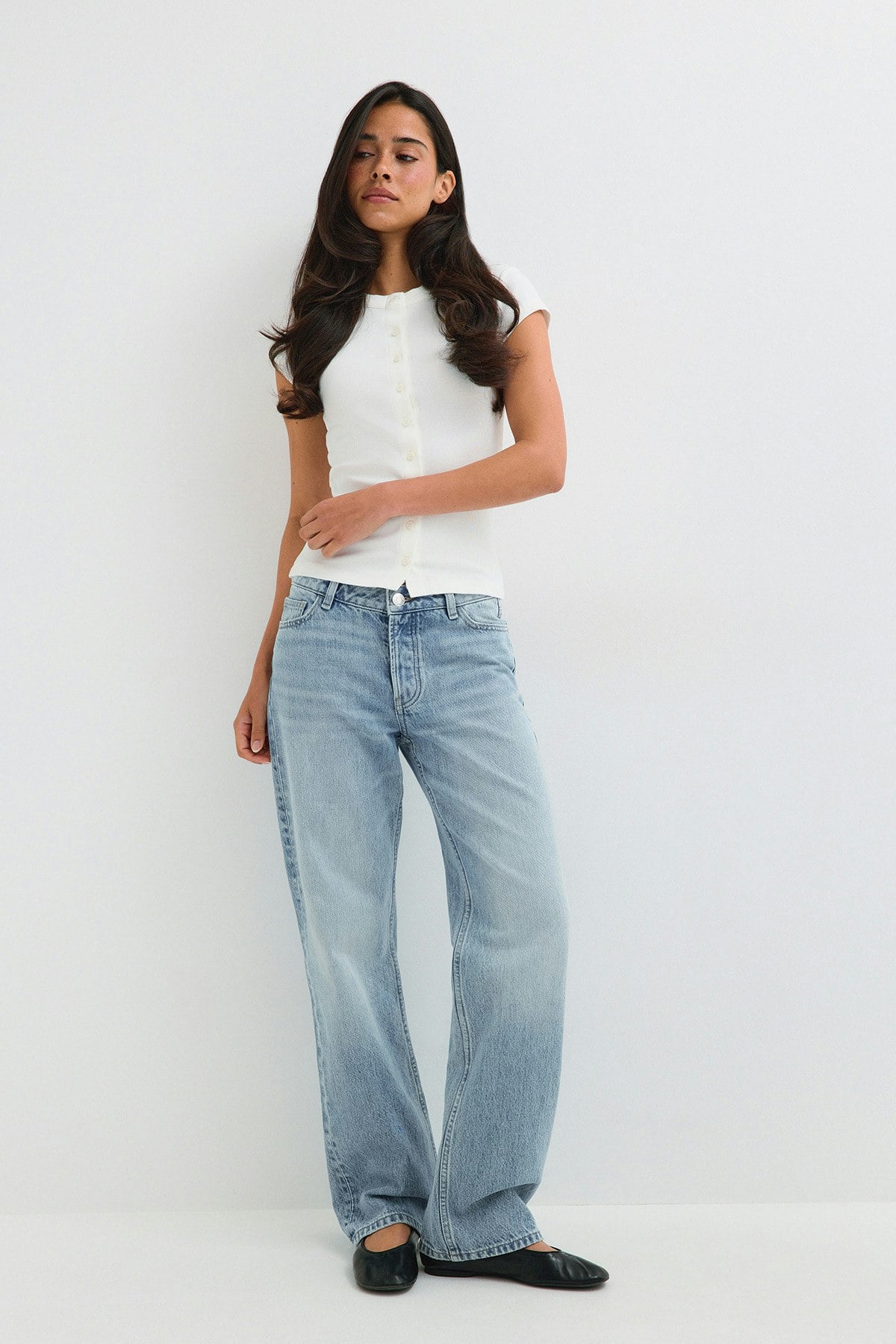
The denim range is especially helpful for readers who prefer to shop by cut. The Slim straight jeans are described as mid-waist, non-stretch denim with a slim straight leg and regular length. The listed inside-leg measurement is 79 cm in size 36, a concrete reference point for someone comparing proportions.
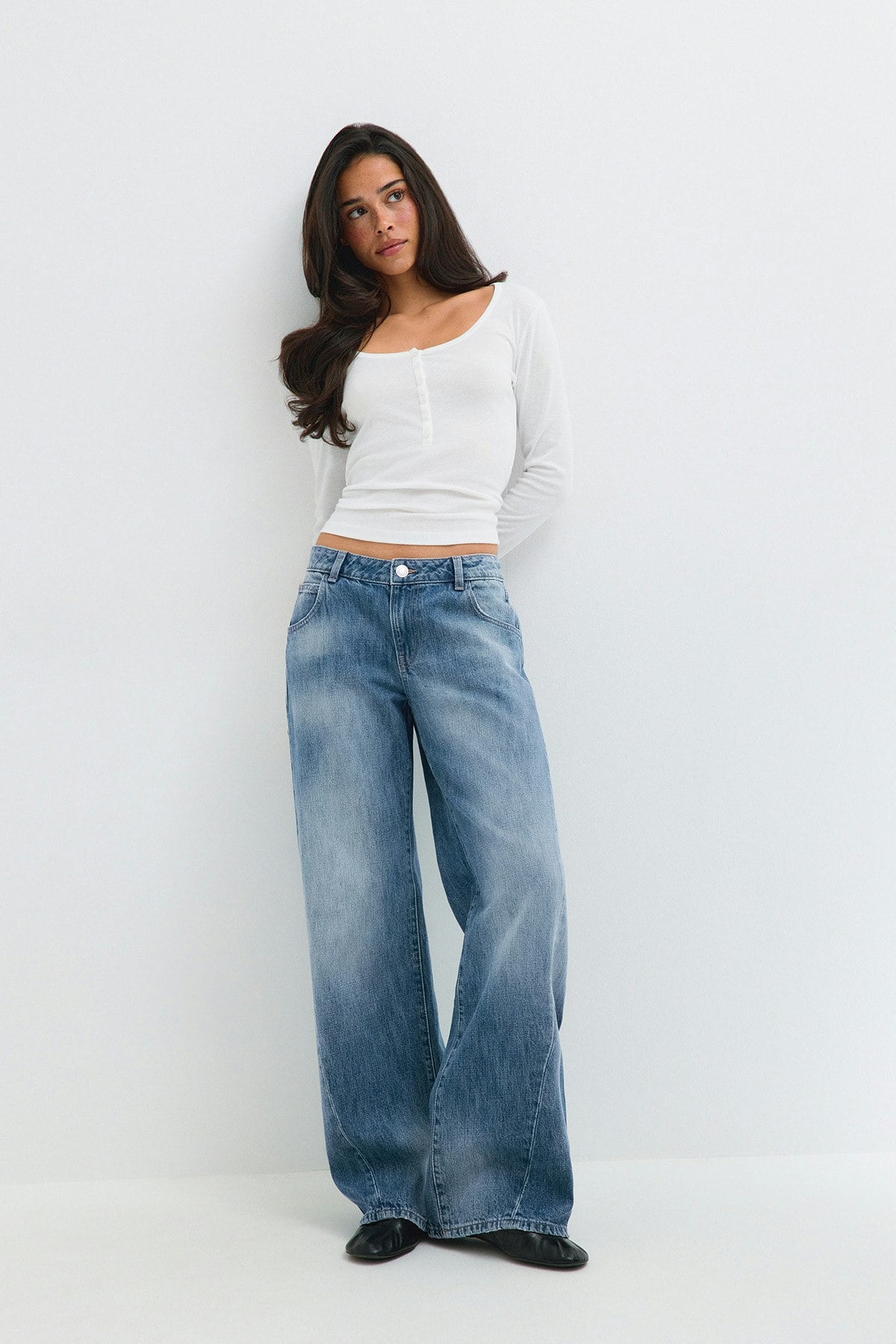
For a looser silhouette, the Button snap back jeans use non-stretch denim, a low waist and a full-length wide leg. An adjustable back detail gives the waistband a distinct point of difference. These contrasting examples show why the fit name and rise are worth checking before colour or styling.
For a quick denim shortlist, compare the features that change the way a pair sits and wears:
- Rise: decide whether mid or low waist fits your preferred proportions.
- Fabric: both examples above are non-stretch, so expect a more structured feel.
- Length: use the store’s measurements and your own preferred break over footwear.
- Leg shape: slim straight and wide leg create different volume through the outfit.
These are useful product-page facts, not a substitute for checking the current size guide. Fit can vary between cuts, so someone between sizes should read the individual page notes before deciding.
Knitwear ranges from useful layers to complete outfits
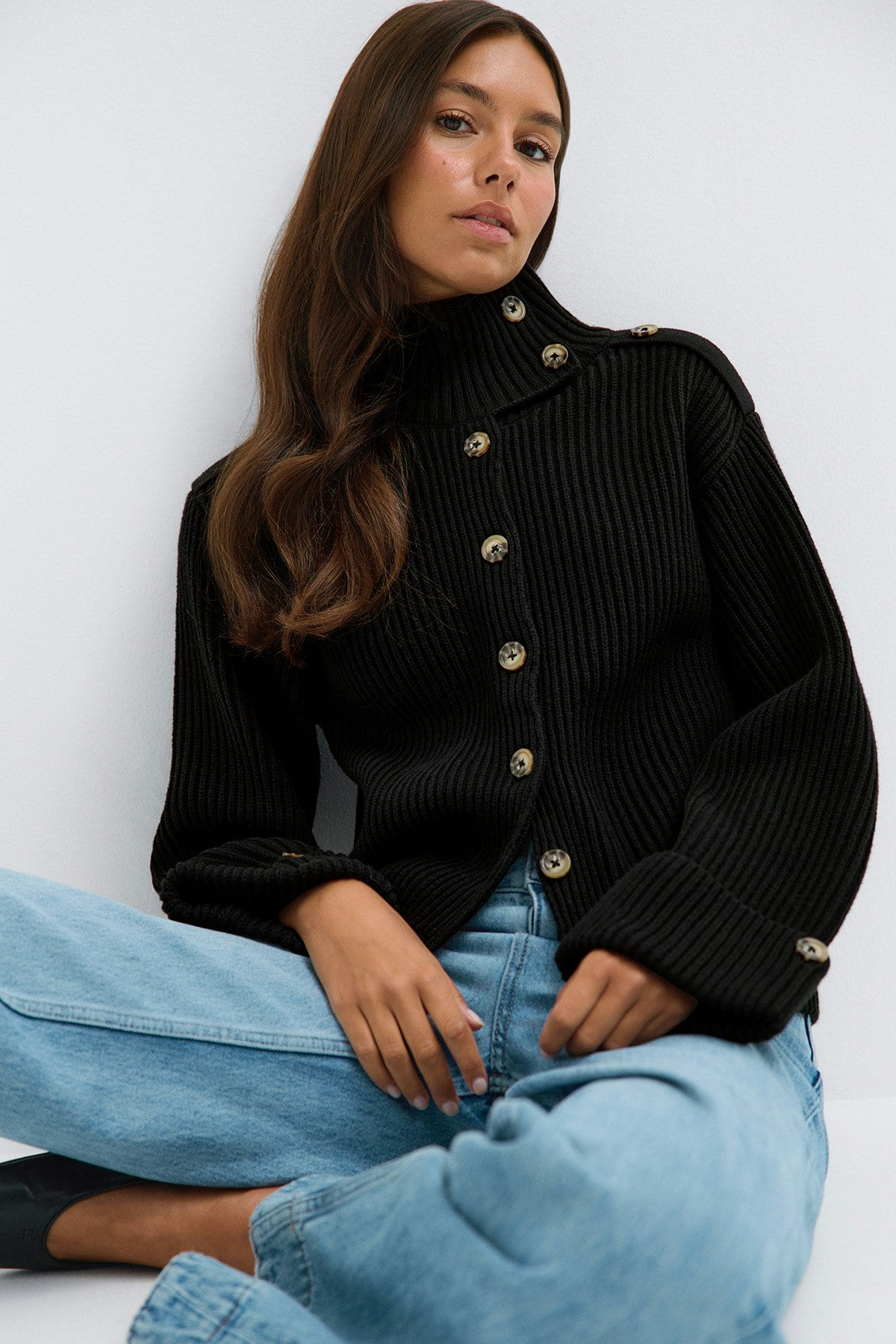
Knitwear helps explain the brand’s range of moods. The black Knitted cardigan has a rib-knit texture, polo neckline and button closure. The listing describes it as warming and soft, with a regular fit, but also flags that it runs small and recommends choosing a size larger than usual. That specific caveat is valuable: it turns a polished product image into more actionable shopping information.
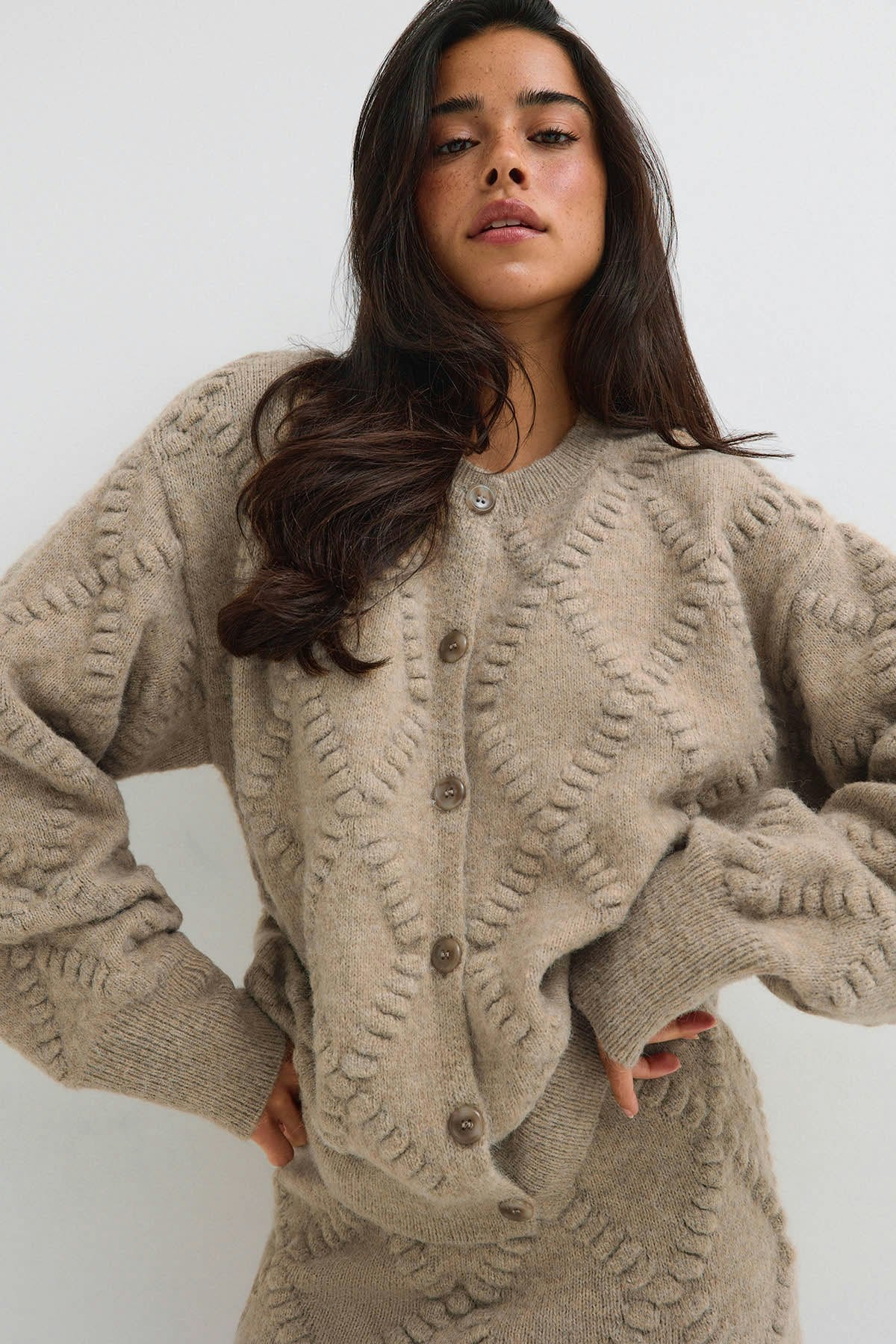
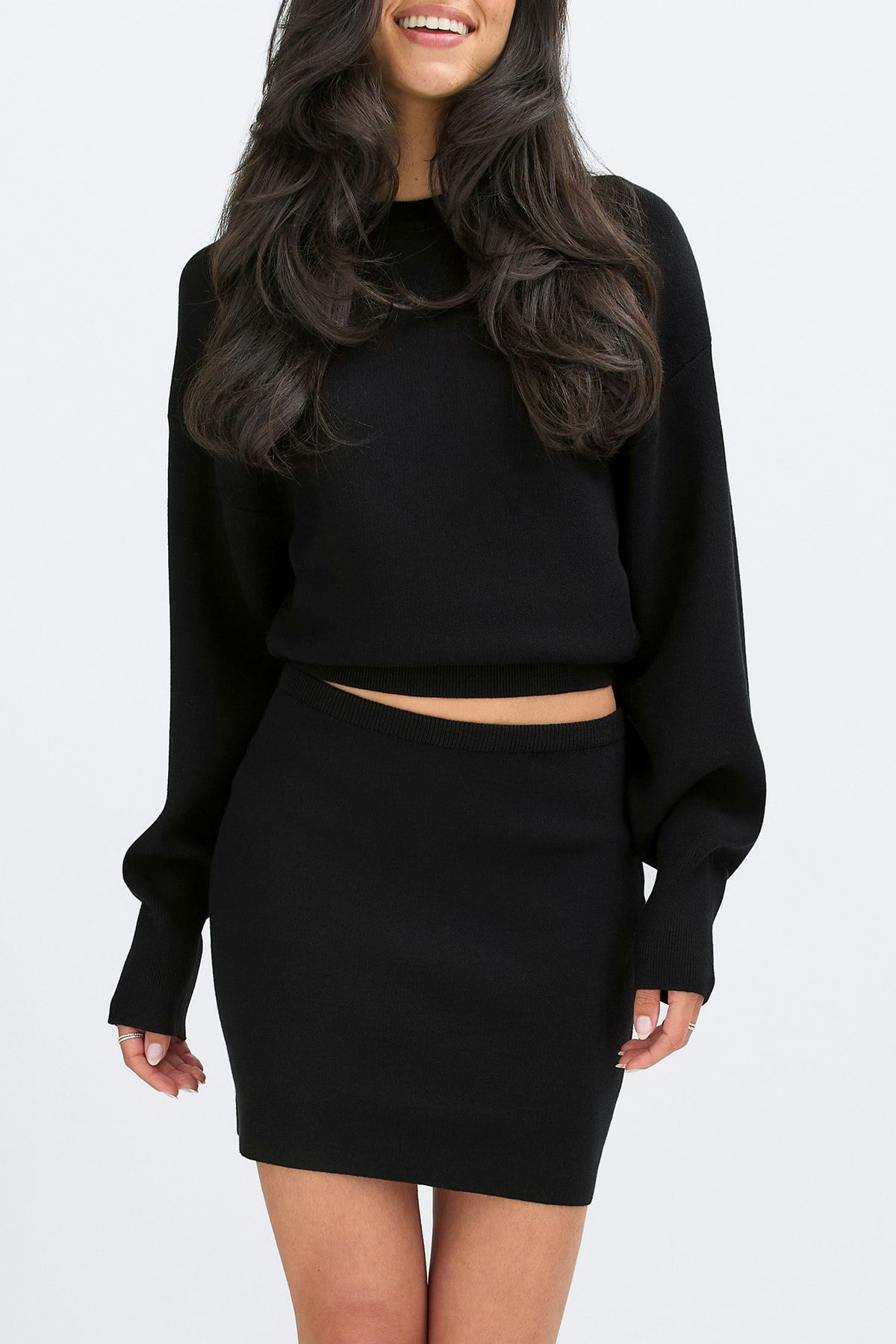
At the more relaxed end, the beige Knitted cardigan is described with a generous fit, balloon sleeves, ribbed edges and a crew neck. The product page depicts it with a coordinating skirt, signalling how knitwear can work as part of a set as well as a separate layer. Compare the fit notes carefully: small and generous are opposite starting points.
For a more outfit-led choice, a Knitted mini skirt pairs naturally with a simple knit or top. Its listed details include a soft material, ribbed waistband and figure-hugging fit. The contrast between fitted and generous knit silhouettes makes it easier to build texture without needing a matching set.
In practical terms, consider these routes through the category:
- Choose a close-fitting cardigan when you want a defined layer under a coat.
- Look to a generous cardigan when you want more room or an easy co-ord shape.
- Use a knitted skirt to make a top-and-layer combination feel more considered.
Dresses and details make the range more expressive
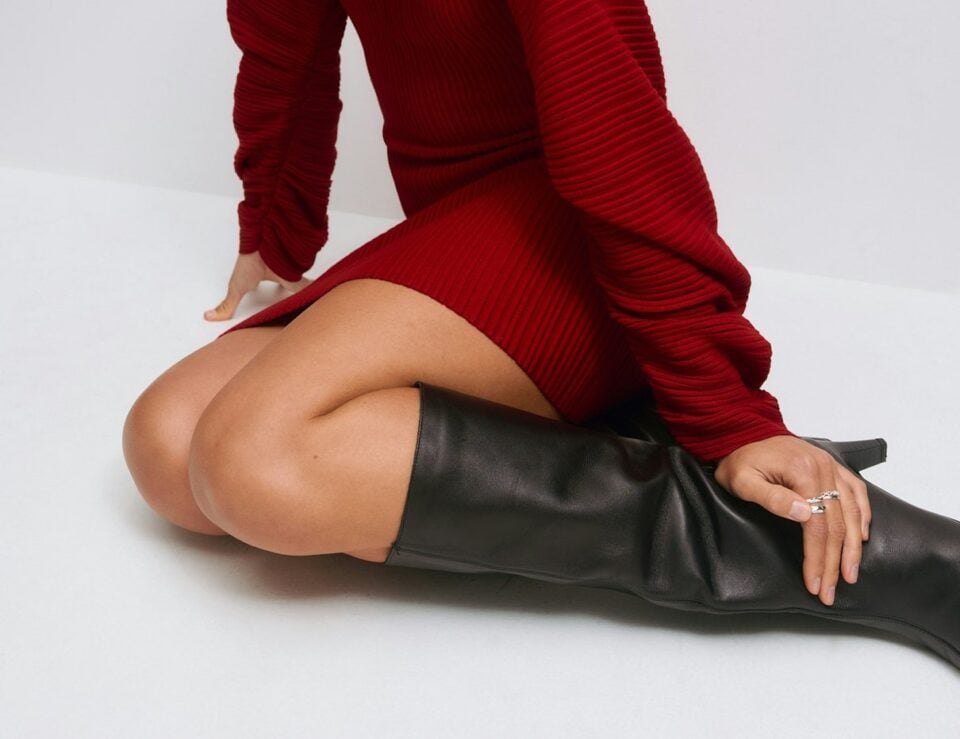
The dress selection gives shoppers an alternative to building an outfit from separates. The red Knitted dress is a short rib-effect style with long sleeves, a round neck and a figure-hugging fit. The store lists its length as 85 cm in size M and notes a keyhole closure at the back. Those elements make it a defined silhouette, suited to readers who want the texture of knitwear in a one-piece format.
The broader lesson is that Gina Tricot does not rely on basics alone. A ribbed dress, statement sleeves or a textured skirt can give an outfit its focal point; simpler denim and layers can then balance it. We would approach the collection by choosing one distinctive item and checking whether its shape, care information and fit notes work for your use case.
The UK store makes product details part of the decision
For UK shoppers, the store presents practical information alongside its fashion imagery. Product pages can include fit, length, waist and leg descriptions, model information, fabric notes and delivery or returns details. Availability and selection can change, so treat those pages as the final source for current options and policies rather than relying on a general brand summary.
We suggest a simple browsing sequence: begin with a wardrobe need, compare two silhouettes, then read the fit note and measurements on each exact product page. For example, a shopper deciding between the Slim straight jeans and Button snap back jeans can compare rise and leg shape before looking at styling. Someone comparing the black Knitted cardigan with the beige version can use the stated small and generous fits as a starting point.
This approach also keeps the choice personal. A wide leg, a fitted knit or a short dress is only a good choice if it suits your comfort and how you plan to wear it. The brand’s breadth is useful, but it means the shopper still has to make the final edit.
Before you decide
Gina Tricot is worth a first look if you want a broad womenswear store where denim, knitwear and dresses sit together, with product pages that explain meaningful differences in cut and fit. The strongest starting point is the category that solves a real wardrobe need, followed by a close read of its details.
The limitation is the same breadth: a large assortment can make browsing feel less focused, and fit varies from one product to another. Use the product-specific measurements, sizing notes and current UK availability before settling on a piece.
For a first visit, Gina Tricot is most useful when you shop by silhouette and check the fit notes on each product.