

A research-led guide to the four boards, ticket routes and practical limits that matter when planning a Monopoly Lifesized visit in London.
Monopoly Lifesized turns the familiar board game into a hosted, team-based attraction in central London. The question is whether the live format, board choice and ticket structure fit your group better than a conventional show or escape room.
We reviewed the venue’s published experience, ticket and visitor information. The attraction’s own pages describe challenge rooms, puzzles and mini games as the route to claiming properties, with hosts guiding teams through the game.
We may earn a commission when you buy through links on this page, at no extra cost to you.
Key facts: Four themed boards use the same basic gameplay, with different settings and challenges. Ticket choices include standard, family, VIP and group routes; the main trade-off is whether you want the core game, extra hospitality, or booking support for a larger party.
Monopoly Lifesized makes the board a team challenge
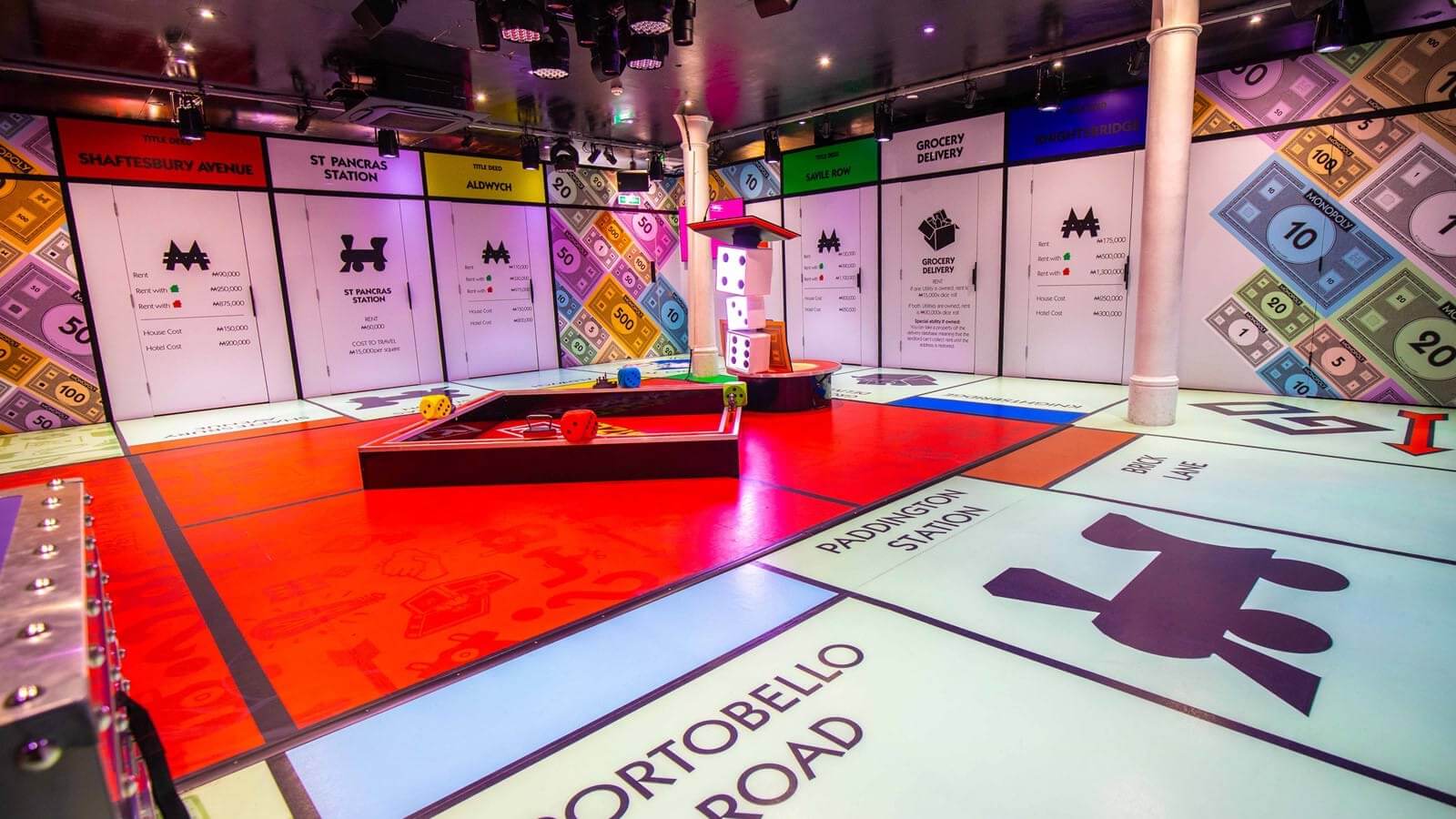
Instead of moving pieces around a tabletop, guests move through a life-sized board and try to earn properties by completing interactive tasks. The official description mentions puzzles, hands-on challenges and mini games, alongside strategy around properties, houses and money. A human token guide hosts each board, which gives the visit a live-entertainment element as well as a game structure.
That blend is the attraction’s clearest strength. It gives Monopoly fans recognizable places and rules, but asks the group to communicate and take part rather than watch passively. The venue says teams can include up to six members, making it a natural fit for friends or family groups who enjoy shared competition.
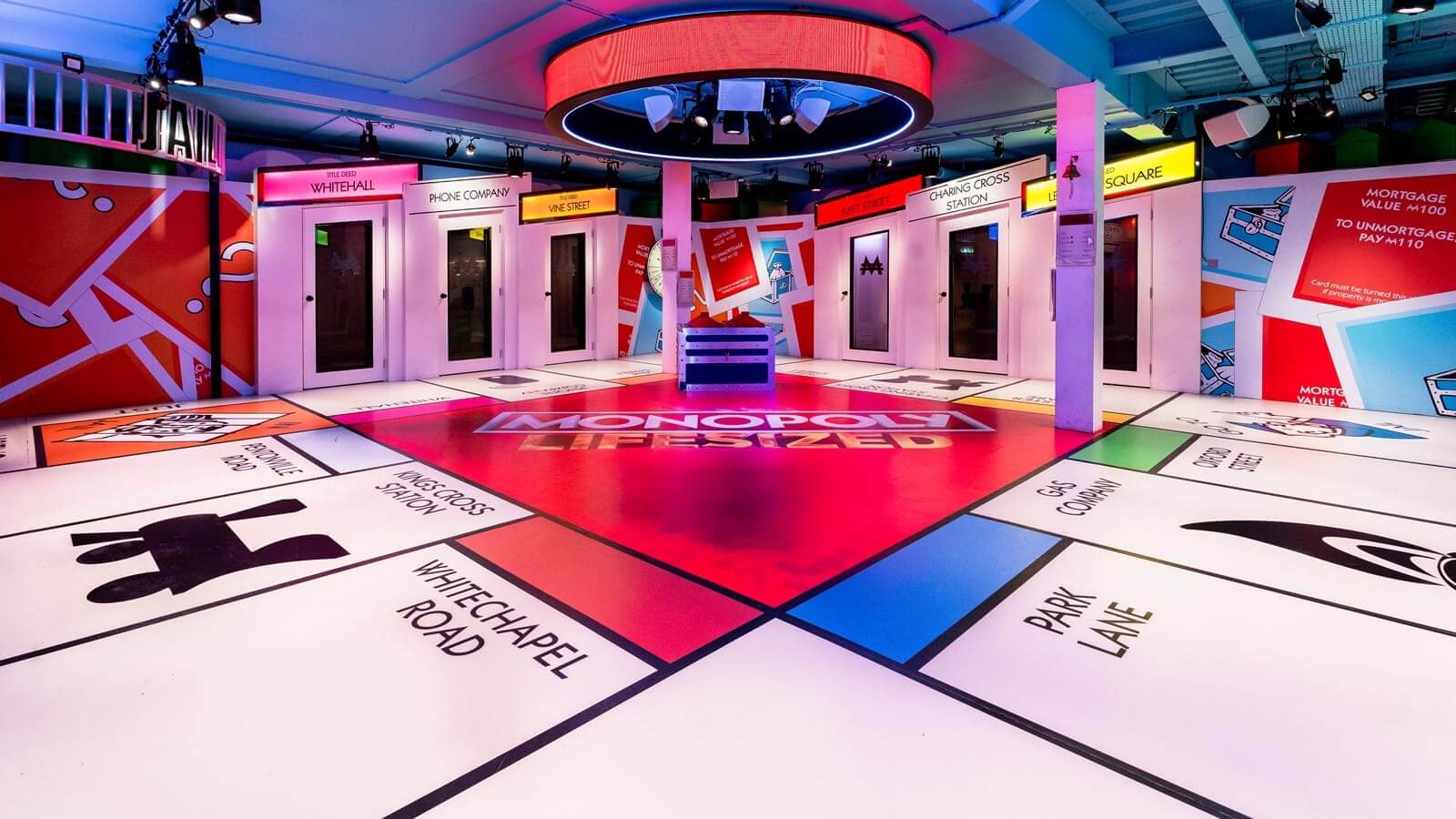
- Active format: players solve or perform challenges to claim properties.
- Hosted play: a guide leads the group and explains the flow.
- Shared stakes: the team has to balance cooperation with competition.
The limit follows from those strengths: visitors who prefer a quiet, self-paced exhibition may find the scheduled group format less appealing. The venue describes a structured briefing and guided game, so this is an activity to participate in rather than browse at your own speed.
The four boards change the theme, not the core rules
The board choice is mainly about atmosphere. Classic Board offers the closest translation of the familiar game, with property-deed entrances and challenges tied to recognizable board imagery. For first-timers or traditionalists, it is the clearest starting point.
The City Board draws on London streets and a night-time city setting. The venue describes challenges inspired by locations including the Strand and Tottenham Court Road. Choose it if the London setting is part of the appeal. Meanwhile, Classic – Own It All frames its tasks around beating rival teams to control the board, which sounds best suited to groups who enjoy a more openly competitive tone.
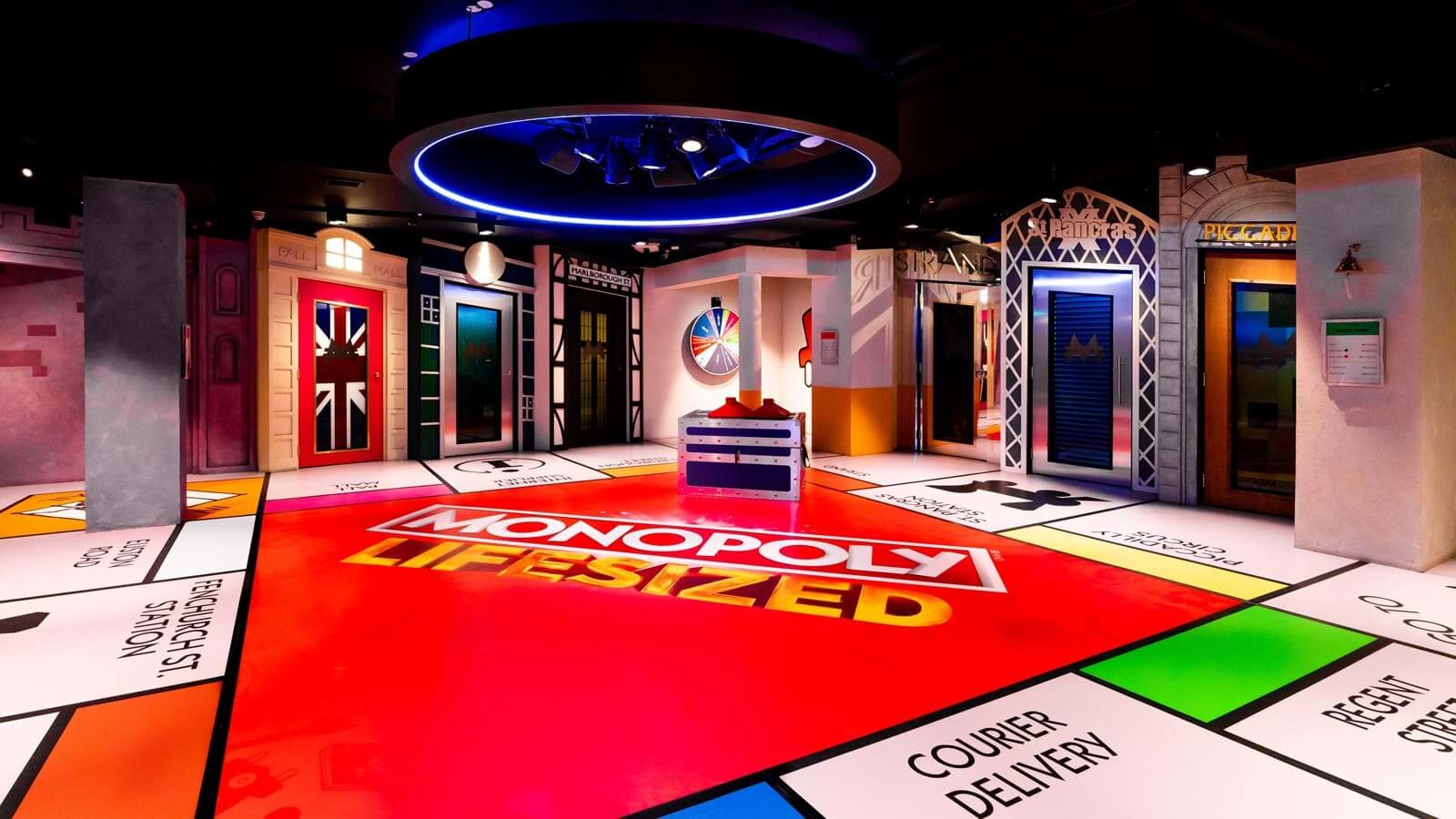
The Luxury Board uses an art deco style and challenges themed around high-end settings, including a laser task. The venue says gameplay works in the same way across all four boards, without additional rules to learn. That is useful for mixed groups: choose for theme and task style, not because one board promises a different level of complexity.
- Pick Classic for the strongest connection to the original board.
- Pick City for London references and a night-time urban mood.
- Pick Own It All if your group likes direct rivalry.
- Pick Luxury for its art deco look and themed challenges.
Ticket options add different kinds of value
The venue lists Standard tickets as the straightforward way to play and choose a board. Family tickets have a minimum order size, so check that your party meets the booking condition before comparing the total cost. Exact costs and availability can change, so use the official booking flow for the current details.
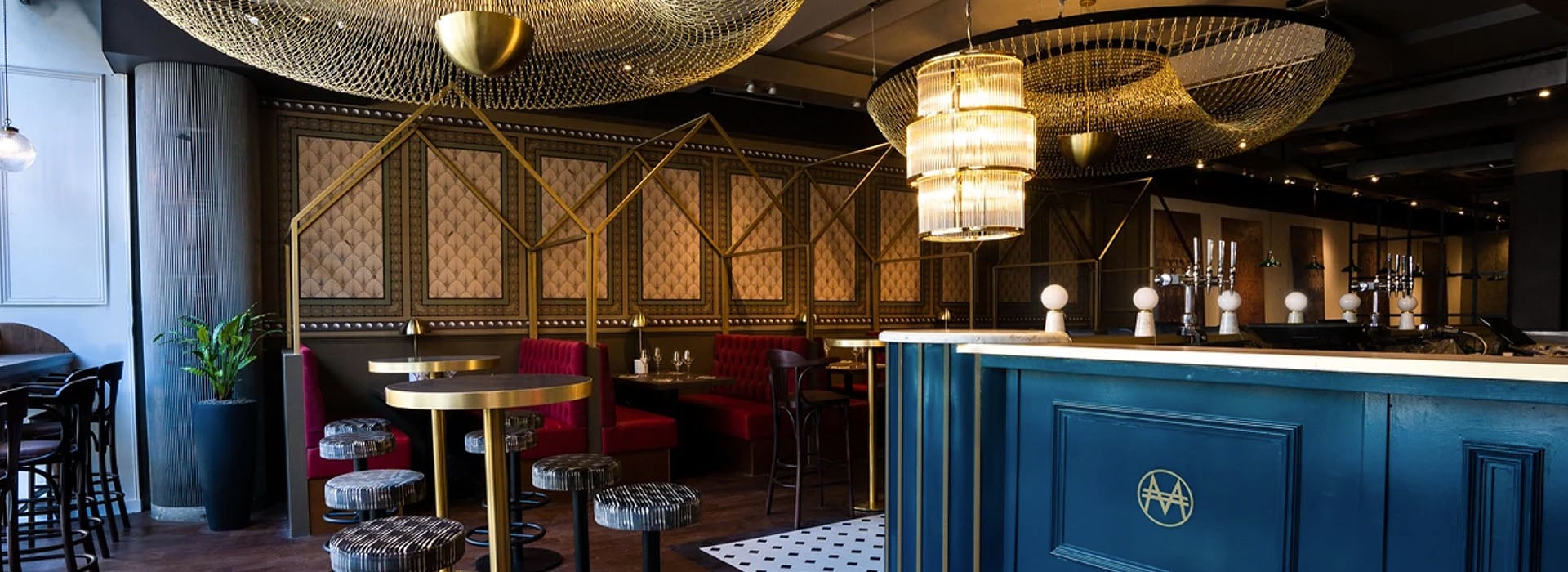
VIP tickets bundle service extras, including a dedicated welcome host, cloakroom service, reserved area at The Top Hat Bar and arrival drinks, according to the ticket page. These make sense when the welcome and hospitality are part of the occasion; they matter less if your group only wants to play the game. For larger parties, group tickets are presented as an enquiry route, with the venue inviting groups to ask its team about arrangements.
- Check board availability for your intended session.
- Confirm family booking minimums and group arrangements.
- Compare VIP extras with what your party will actually use.
The Top Hat adds an optional end to the visit
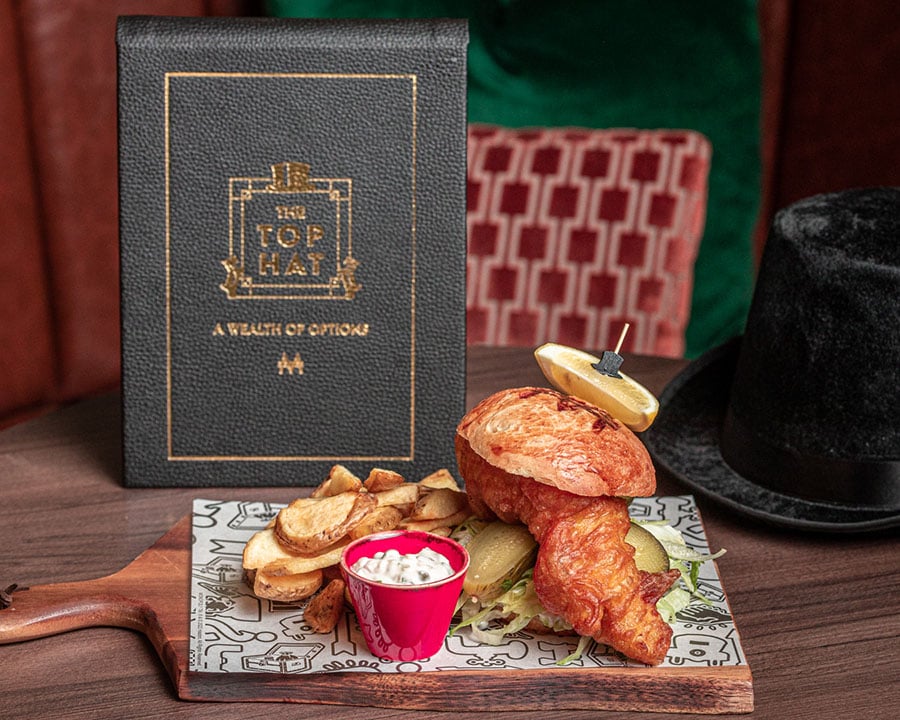
The Top Hat Bar & Restaurant is promoted as an on-site themed venue with food, drinks and a board-game library. Its presence makes the attraction easier to frame as a longer social outing, especially for a celebration or group visit. The restaurant also says it is open to the public, so dining is not inherently part of every game booking.
That flexibility is useful, but it means visitors should treat food and drink as a separate planning decision. The attraction’s main draw remains the hosted board experience, and the venue pages do not establish that restaurant access is included with every ticket. Check reservations and current menus separately if that part matters to your plan.
Before you decide
We recommend Monopoly Lifesized for Monopoly fans and groups who want an active, collaborative London outing with a clear theme. It has a stronger case for friends, families with suitable ages and corporate groups than for solo visitors or anyone seeking an unstructured museum-style visit. Choose the board by mood, then compare the ticket inclusions and party rules against your needs.
One practical limitation deserves attention: the official site currently states the London attraction is due to close in January 2027. That makes checking session availability and the venue’s latest visitor information especially important before making plans. Confirm the details directly on the booking page, including what is included for your selected ticket.
Choose Monopoly Lifesized for a social, challenge-led game outing, provided the format and available dates suit your group.