
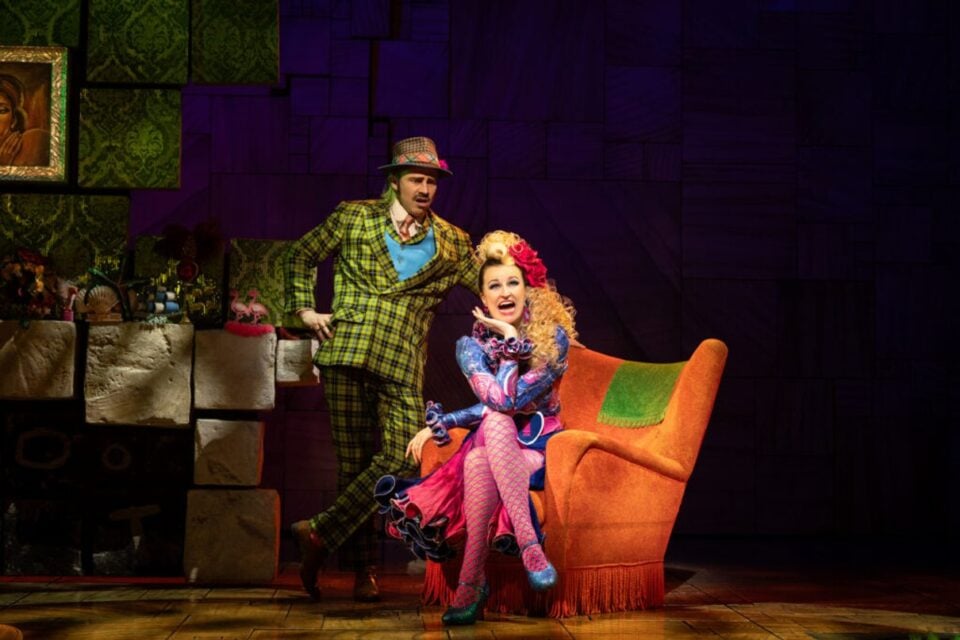
A clear comparison of standard, chilled, captioned and audio described performances, with practical guidance on which format suits different visitors.
Choosing a performance of Matilda, The Musical is partly about the show and partly about the room you want to experience it in. For many visitors, a standard performance is the straightforward choice; for others, a specific access format can make the evening more comfortable or the story easier to follow.
The official site describes several options, but the details matter: a chilled performance changes the auditorium conditions, while captioning and audio description provide different kinds of support. Here, we compare what each offers and where a standard performance may still be the better fit.
We may earn a commission when you buy through links on this page, at no extra cost to you.
Key facts: Standard performances suit visitors without a particular access requirement, while chilled, captioned and audio described shows each address a different need. The official pages explain the formats, but visitors should check the date calendar for availability and current arrangements before booking.
The four performance formats serve different priorities
The official production is the same Royal Shakespeare Company musical, but the audience experience can differ by performance. The table compares the practical distinction, not the artistic quality of one date against another.
| Option | What changes | Best suited to | Trade-off |
|---|---|---|---|
| Standard performance | Usual performance environment | Visitors comfortable with a conventional auditorium | Fewer stated adjustments |
| Matilda The Musical Chilled Performance | More relaxed environment, including flexibility around movement and sound | Families or visitors who benefit from a less restrictive setting | Special dates only; check the conditions |
| Matilda The Musical Captioned Performance | Dialogue and sound information appear as captions | Deaf and hard of hearing visitors, and anyone who benefits from text support | Captioned dates and seat views vary |
| Matilda The Musical Audio Described Performance | Spoken description supports visual storytelling | Blind and visually impaired visitors | Requires a listed date and advance planning |
These formats are not interchangeable upgrades. A visitor who wants text support is unlikely to get the same benefit from audio description, and a chilled setting does not replace either. Begin with the need that matters most, then see whether a suitable date is available.
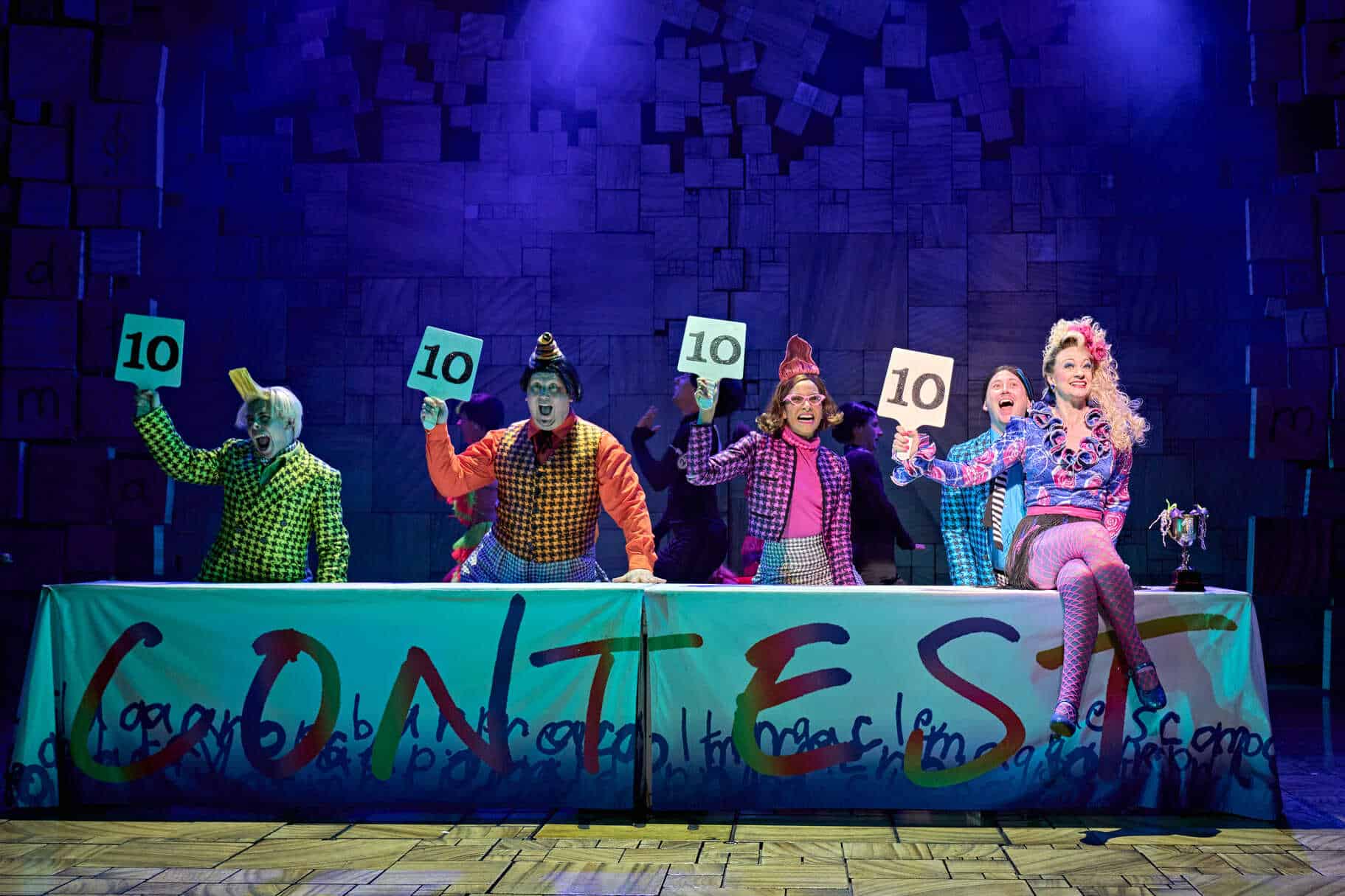
A chilled performance prioritises a more flexible visit
Matilda The Musical Chilled Performance is the clearest fit for visitors who may need more freedom to move or a gentler auditorium environment. The official information describes a relaxed approach, so families can compare its arrangements with the expectations of a standard performance before choosing.
- Consider whether movement in and out of the auditorium would make the visit easier.
- Read the official description for the conditions and support available on the chosen date.
- Check that the relaxed format addresses your needs; it does not provide captions or spoken visual description by itself.
Compared with an ordinary theatre booking, the benefit is the stated flexibility. The compromise is scheduling: this is a designated performance type, not necessarily an option at every date. The official chilled performance information is the right place to confirm what applies.

Captions and audio description solve different access needs
Matilda The Musical Captioned Performance is the stronger match when seeing dialogue and sound cues in text can help follow the action. That may suit deaf or hard of hearing visitors, as well as people who prefer written reinforcement. The trade-off is practical: the best seat may depend on an unobstructed view of the caption display, so check the venue’s seating guidance.
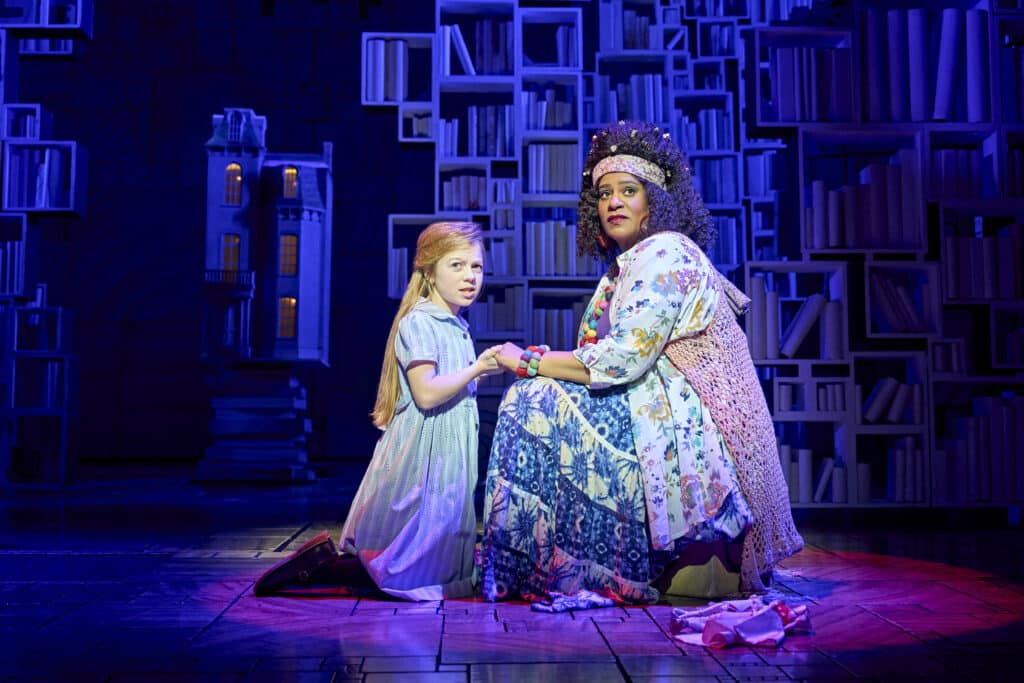
Matilda The Musical Audio Described Performance supports blind and visually impaired audiences with spoken description of visual moments. It serves a different purpose from captions and is not simply a more comprehensive version. Check whether the information specifies an introductory touch tour, headset collection or other arrangements for the selected performance before you travel.
- Identify which format best answers the visitor’s access preference.
- Open the official performance page and confirm a suitable date.
- Review the theatre’s seating and arrival notes for that format.
- Contact the official box office if a detail is unclear before completing the booking.
For both options, the format itself is the main advantage over a standard show. Neither guarantees availability on a preferred date, so flexibility on timing may be part of the decision.
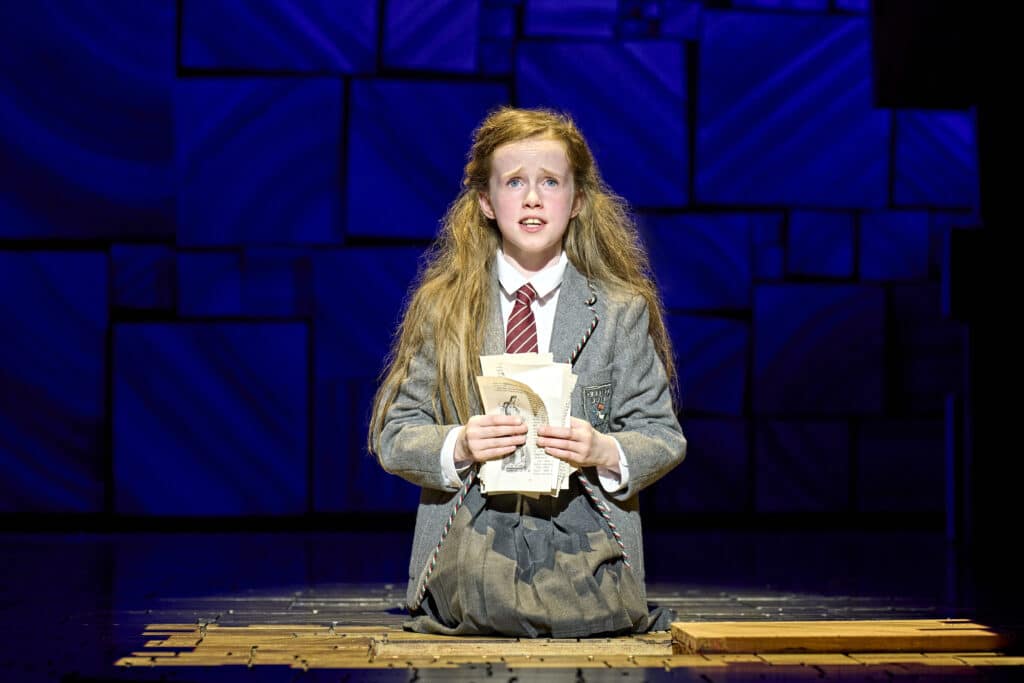
Standard tickets remain sensible when no adjustment is needed
If none of the listed formats addresses a particular need, a standard performance may be the cleanest choice. It keeps the decision focused on date, seats and the ordinary theatre experience. The official ticket information can help compare the current calendar with the assisted-performance schedule.
Typical alternatives include choosing a different date, seat area or performance time. Those choices can help with logistics, but they should not be treated as substitutes for captioning, audio description or a relaxed environment when one of those is needed. We recommend comparing options based on the support stated by the venue, rather than assuming a standard performance can provide an equivalent adjustment.
- Choose standard when the regular auditorium works for your party.
- Choose chilled when greater flexibility around movement or sound is the priority.
- Choose captioned for onstage text support.
- Choose audio described for spoken access to visual elements.
Before you decide
Our recommendation is to start with the visitor, not the seat map: choose the format that directly meets their needs, then compare its dates and seating. For visitors without a specific access requirement, standard performances offer the simplest route into the show. The limitation is that official descriptions do not tell you whether every date will suit your circumstances, so confirm operational details with the theatre before booking.
When the date is flexible, compare the listed performance formats side by side and make a decision only after checking the venue’s notes. For visitors whose needs are clear, the matching access format is the better fit even if it narrows date choice.
Choose standard for a conventional visit, chilled for a more flexible setting, captions for text support, and audio description for spoken visual detail.