
A clear guide to how One World Observatory combines a landmark setting, immersive arrival and several ways to shape a visit.
New York has no shortage of elevated viewpoints, so a first-time visitor may reasonably ask what gives One World Observatory – New York its own character. The answer begins with its location in One World Trade Center, but the brand frames the visit as a sequence: arrival, orientation and time spent looking across the city.
We reviewed the official visitor and ticket information to understand what that sequence includes, and how its ticket range changes the experience. The practical choice is less about choosing a different view and more about deciding how much convenience or guided context belongs in the day.
We may earn a commission when you buy through links on this page, at no extra cost to you.
Key facts: One World Observatory centres on indoor panoramic views, with the SkyPod elevator and interpretive experiences adding context to the ascent and visit. Standard admission keeps the plan focused, while Combination, All-Inclusive and VIP Tour & Dine add different conveniences or hosted elements. Check the official ticket page for current availability and inclusions.
The observatory turns its tower setting into a visitor sequence
The location is the first part of the story. The observatory occupies the upper floors of One World Trade Center, giving the brand a clear physical identity and a natural point of reference for visitors exploring Lower Manhattan. Its indoor format makes the view the central draw without making the experience dependent on an outdoor platform or weather exposure.
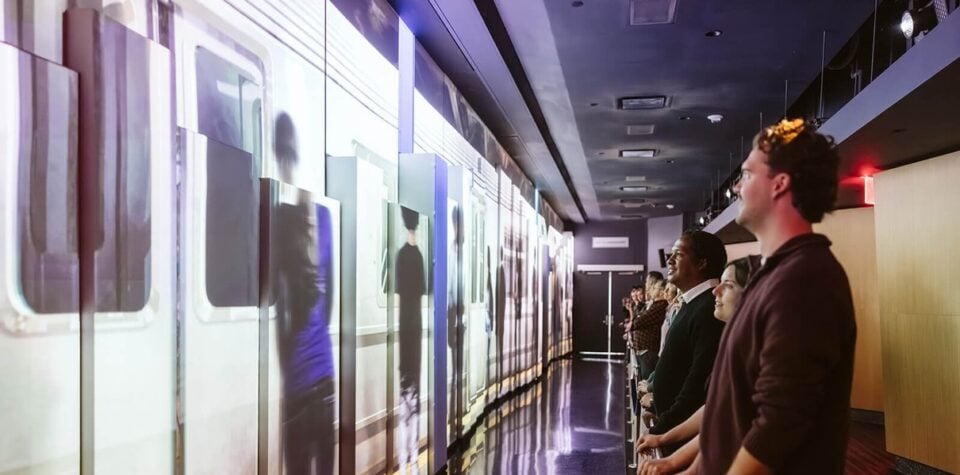
The official site describes the SkyPod elevator as travelling 102 floors in 47 seconds. That rapid ascent creates a deliberate transition from street level to the observatory, rather than treating access as a simple lift ride. The brand also highlights the See Forever Theater and City Pulse presentation as ways to frame the city before or during the viewing experience. These named elements give a first visit some structure, even for readers who mainly come for the skyline.

For visitors who prefer a self-paced stop, Standard General Admission is the cleanest introduction. It focuses on admission and the observatory itself; it does not require choosing a hosted itinerary. Read the official details for Standard General Admission before setting a date, and use the ticket page to compare the listed inclusions against your plans. The same standard admission option is the useful baseline for understanding what the upgraded formats add.
- Setting: an indoor viewpoint in One World Trade Center.
- Arrival: the SkyPod ascent forms part of the presentation.
- Orientation: theater and City Pulse elements add context to the skyline.

Three ticket formats add convenience in different ways
The ticket range is best read as layers around the same core destination. Combination Experience pairs the observatory visit with an included venue credit, according to the brand’s listing. That can suit visitors already expecting to spend time on site, while the value depends on using what the credit covers. Review the inclusions for Combination Experience and confirm the applicable details at checkout; this Combination option is most relevant when the added credit fits your plans.
All-Inclusive Experience is positioned around additional arrival flexibility and included conveniences. That can be useful when a day’s schedule is fluid, though flexibility only matters if you expect to use it. Compare the current terms for All-Inclusive Experience against the simpler entry format. The All-Inclusive option deserves a closer look when timing is uncertain, rather than as an automatic upgrade.

- Choose Standard General Admission when a straightforward observatory visit is enough.
- Consider Combination Experience if the included venue credit matches your intended stop.
- Look at All-Inclusive Experience when its arrival flexibility has practical value.
These are not separate attractions with different viewpoints. They are different ways of arranging the time and services around one observatory visit. That distinction helps avoid paying for an extra that sounds attractive in a listing but does not fit the day’s actual route.
VIP Tour & Dine adds a host and a meal to the visit
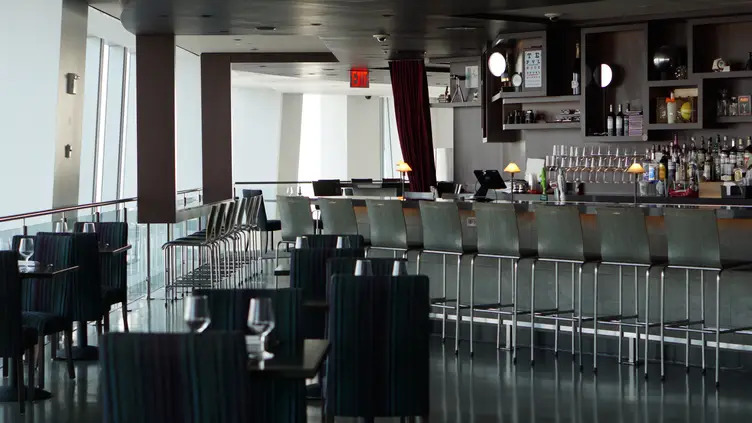
The most structured option in the current range is VIP Tour & Dine Experience. The official description brings escorted entry, a guided visit and dining together. It suits visitors who want more narration and a coordinated outing, particularly when the social experience matters as much as independent browsing. It will be less compelling for people who prefer to move at their own pace or want only the view.
Review the current outline for VIP Tour & Dine Experience and check what the dining element covers before planning around it. The official VIP Tour & Dine details are the right place to confirm schedule and inclusions, since hosted experiences can depend on availability. For a casual visit, the standard ticket remains the simpler reference point; for a more occasion-led outing, the guided and dining format puts the brand’s service side in view.
Before choosing, it helps to think through a few practical questions:
- Will you use an included credit or prefer to choose food independently?
- Does your schedule need a more flexible arrival window?
- Would a guide improve the visit, or would you rather explore without a set pace?
Answering those questions keeps the decision connected to the trip, not simply to the longest list of inclusions. A ticket page can explain the named benefits, but only your itinerary can tell you whether they are useful.

The brand is strongest when the view and context work together
As a brand, One World Observatory – New York brings together a singular location, a quick visual arrival and optional interpretive or hosted layers. The strongest reason for a first-time reader to care is that the visit can be scaled: a direct admission for a self-guided stop, or a more supported plan when added services solve a real need. The tower setting supplies the identity; the ticket design shapes how visitors use their time there.
There are reasonable limits. An indoor viewpoint remains an observation experience, so it is not a substitute for walking neighbourhood streets or seeing the city from multiple boroughs. And ticket inclusions can change, making the official listing more reliable than a saved summary. Start with the Standard General Admission details, then compare Combination, All-Inclusive and VIP Tour & Dine only where their stated additions suit your day.
Before you decide
We recommend treating Standard General Admission as the baseline and paying attention to upgrades only when their credit, flexibility or guided hospitality has a clear role in your itinerary. The honest limitation is that the view remains the shared core, so an upgraded format may add little for a visitor who wants a brief, independent stop.
Check the official ticket listing close to planning your visit for current availability and the exact inclusions attached to each experience.
Choose the simplest admission that fits your schedule, and add hosted services only when you expect to use them.