

A research-based review of Magazine Shop’s issue range, special editions and the listing details readers should check before choosing.
Magazine Shop is an online storefront for readers looking for a particular title, a themed issue, or a puzzle book rather than a general bookstore visit. Its catalog ranges across current magazine editions, back issues, collector-style specials, food and lifestyle publications, and activity formats.
The useful question is less whether the catalog is broad and more whether its product pages make it straightforward to find the right edition. We reviewed the available store information and product listings; we did not order or test any item. The clearest strengths are subject variety and distinct issue formats. The main limitation is that details and availability can vary from listing to listing.
We may earn a commission when you buy through links on this page, at no extra cost to you.
Key facts: Magazine Shop brings regular issues, back issues, special editions and puzzle publications together in a searchable catalog. It suits readers who know a title or subject they want and are willing to confirm edition details and availability on the individual listing.
Magazine Shop covers several distinct reading needs
The store’s clearest advantage is range by subject and format. Browsing can start with a familiar publisher or a topic, then narrow toward a standard issue, older edition, special publication or activity book. That makes the catalog relevant to more than habitual magazine readers: someone looking for a themed keepsake issue has a different path from someone who wants a stack of puzzles for a journey.
Its catalog includes named editorial brands and focused editions. For example, Billboard – The Touring Issue is presented around touring, performers and industry figures. Variety offers a different entertainment and film-business focus. These listings illustrate a practical strength: the product title itself often communicates the editorial angle, helping readers distinguish one special issue from another.
That breadth is useful when the reader has a clear topic in mind, but it also asks for some attention. Search results can contain many editions from the same publication, and a title alone may not tell you whether the item is a current issue, a back issue or a special. Readers can compare a subject-specific listing such as Billboard’s touring issue with a different edition from the same broad entertainment shelf. Before adding a candidate to your shortlist, check:
- The exact publication and edition named on the page.
- Whether the item is a regular issue, back issue, preorder or special edition.
- The description for included themes, puzzles, interviews or other contents.
- The live availability and delivery information shown for that listing.

Special editions give familiar titles a narrower focus
Some of the most legible examples are designed around one subject rather than a general monthly mix. The Chosen – TV Guide is described as a collector’s edition covering four seasons, with episode recaps and material about the series and its cast. That gives fans a clear reason to consider it, while making it less relevant to readers who want broad television coverage.
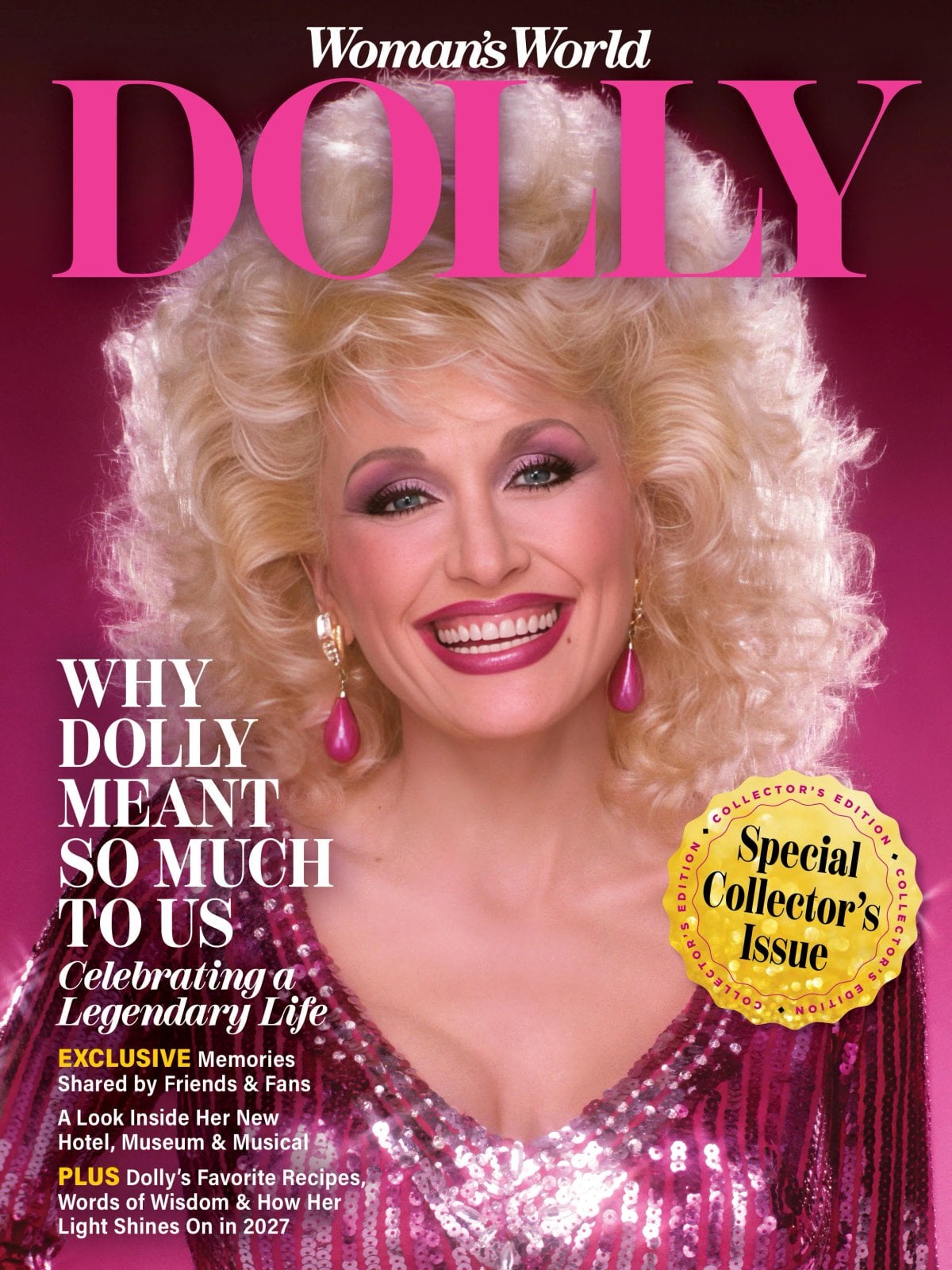
The same focused approach appears in tribute and hobby titles. Woman’s World – Dolly: Special Collector’s Issue is presented as a tribute to Dolly Parton, with memories, career context and recipes among its stated themes. For readers choosing a gift or keepsake, a clearly defined subject is a genuine strength: the intended recipient is easier to identify than with a broad general-interest issue.
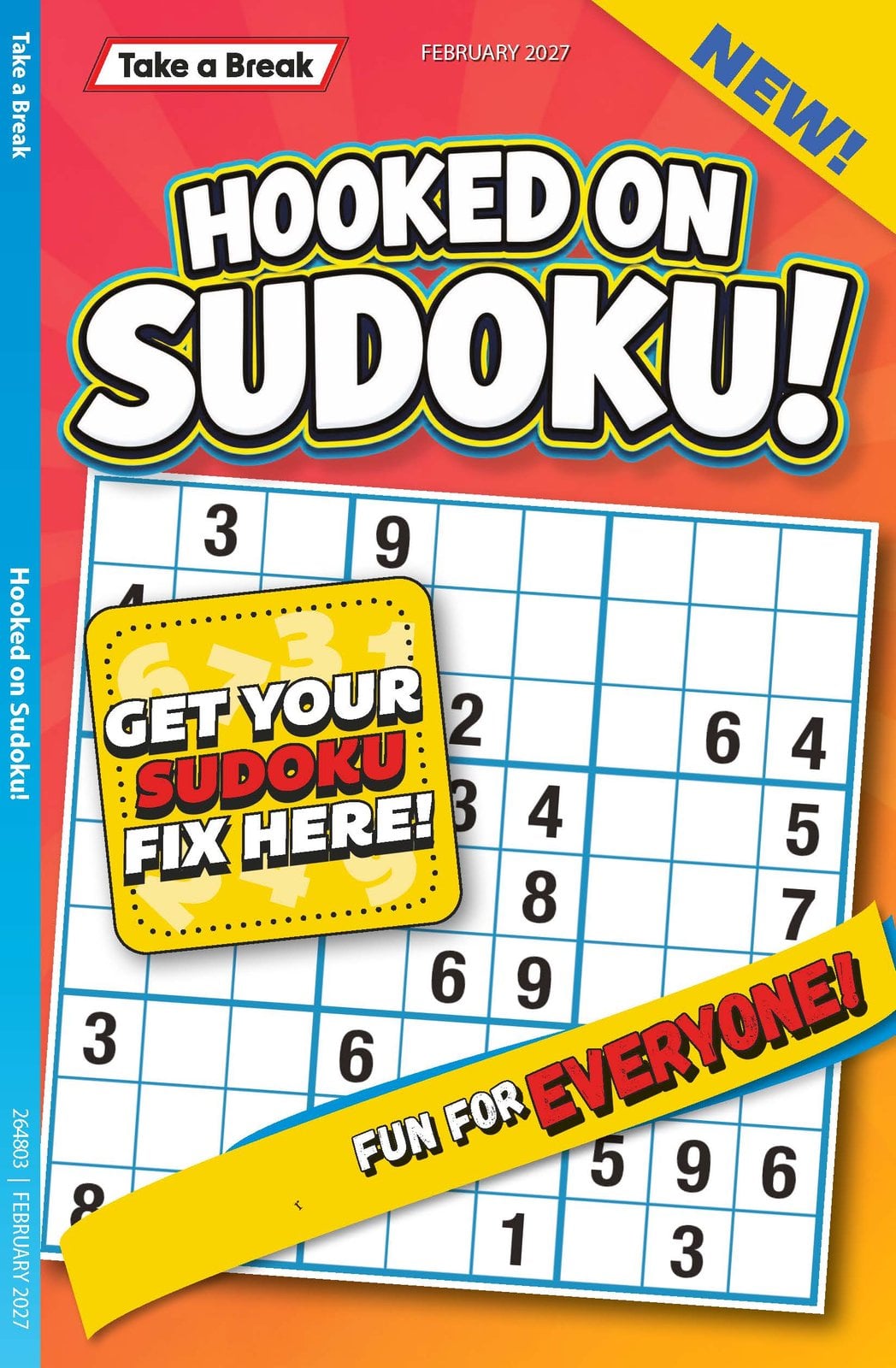
Activity titles broaden the offer beyond editorial reading. Take a Break – Hooked on Sudoku is described as a sudoku collection with a travel-friendly use case. A related crossword listing, Take a Break – Crossword Quickies, emphasizes large print and easy reading. Those concrete format signals help match a product to a reader’s preference, although the store’s descriptions should be checked for the exact edition and contents.
The product pages matter more than the storefront breadth
A broad catalog is only as useful as its individual listings. Magazine Shop’s product pages give readers a route to details, but different products can have different descriptions, formats and availability. We would treat each listing as the source of truth rather than assuming every item follows the same pattern.
That is especially important for special editions. A collector’s issue may focus on one program, person or seasonal theme, while another edition from the same publisher serves a different purpose. Compare the cover and the description, and follow a product page such as The Chosen – TV Guide against the edition you actually want. The same habit helps when checking an activity format like Hooked on Sudoku, where puzzle style and readability are central to fit.

For a quick decision, sort the options by what you need from them:
- A particular fandom: choose a special edition whose named subject matches the series or artist you follow.
- A gift with a clear theme: consider a tribute or seasonal issue, then confirm the recipient would value that focus.
- A puzzle activity: compare the puzzle type, print description and stated use case on the product page.
Readers should also account for practical uncertainty. A listing can change as stock moves, and an edition title may include details that distinguish it from another issue in the same series. Checking the current product page before deciding is more reliable than relying on a search snippet or an old reference.

The variety is most useful when a reader can name the subject; the product page then provides the final details needed to judge fit.
The catalog suits specific searches better than casual browsing
The best fit is a reader who arrives with a publisher, topic or format in mind. They can use the store’s mix of categories and individual listings to compare the right kind of issue. A fan seeking a series companion, a reader hunting a themed food edition, or someone choosing a puzzle book can each find a clear starting point.
It is a less obvious fit for someone who expects a highly guided recommendation or wants certainty without reading product details. The variety creates choice, but the reader still has to distinguish between editions and inspect availability. Browsing may also feel less efficient if the goal is simply an unspecified magazine rather than a particular subject. Someone considering a tribute issue like the Dolly special should be comfortable choosing by theme and confirming current listing information.
Before making a shortlist, we recommend checking three things on each product page:
- Confirm the exact title and edition, especially when several issues share a publisher.
- Read the description for the promised themes, contents and format cues.
- Check current availability and delivery details at the store, since these can change.
This simple review process addresses the store’s main weakness: not a lack of choice, but the need to verify the details at product level. It also prevents a reader from treating a broad category page as confirmation that a particular edition is available.
Before you decide
We recommend Magazine Shop for readers who know the subject, publication or activity format they want and value a choice of regular issues, back issues and special editions in one store. Its strongest point is the range of focused titles, from entertainment companions to puzzle collections. Check the product page carefully for the exact edition, listed contents and live availability; this is a catalog-led storefront, so the right choice depends on those details.
If you have a specific title in mind, browse its listing and compare the description with your needs before deciding.
Magazine Shop is a sensible option for targeted magazine and puzzle searches, provided you verify each listing before choosing.