

Compare the official performance formats by the kind of support they offer, what they leave unchanged and who is most likely to benefit.
Choosing a performance of Matilda, The Musical can mean more than picking a date. The London production offers standard performances alongside chilled, captioned and audio-described dates. Those labels describe different kinds of support, so the useful question is which one addresses your group’s needs.
We reviewed the official UK production and access pages for this comparison. Availability and the specific dates attached to each format can change, so check the booking information before settling on a performance.
We may earn a commission when you buy through links on this page, at no extra cost to you.
Key facts: Chilled performances focus on a more flexible environment, captioned performances provide visible text, and audio description adds spoken visual information. None is a universal upgrade: choose according to the adjustment that helps your audience, then confirm dates and arrangements with the official venue.
Three formats address three different access needs
The official Matilda The Musical Chilled Performance is the strongest match for guests who may need more freedom around movement, sound or the usual expectations of an auditorium. The brand lists chilled performances within its assisted options, but visitors should check the event details for the practical arrangements of a particular date. Read the chilled format details now; the official page is the place to confirm what applies to the planned visit.
The Matilda The Musical Captioned Performance is aimed at patrons who benefit from following spoken dialogue in text. This is the more relevant choice when access to words is the main concern. The captioned performance information describes the format, while date-specific availability still needs checking on the booking route.
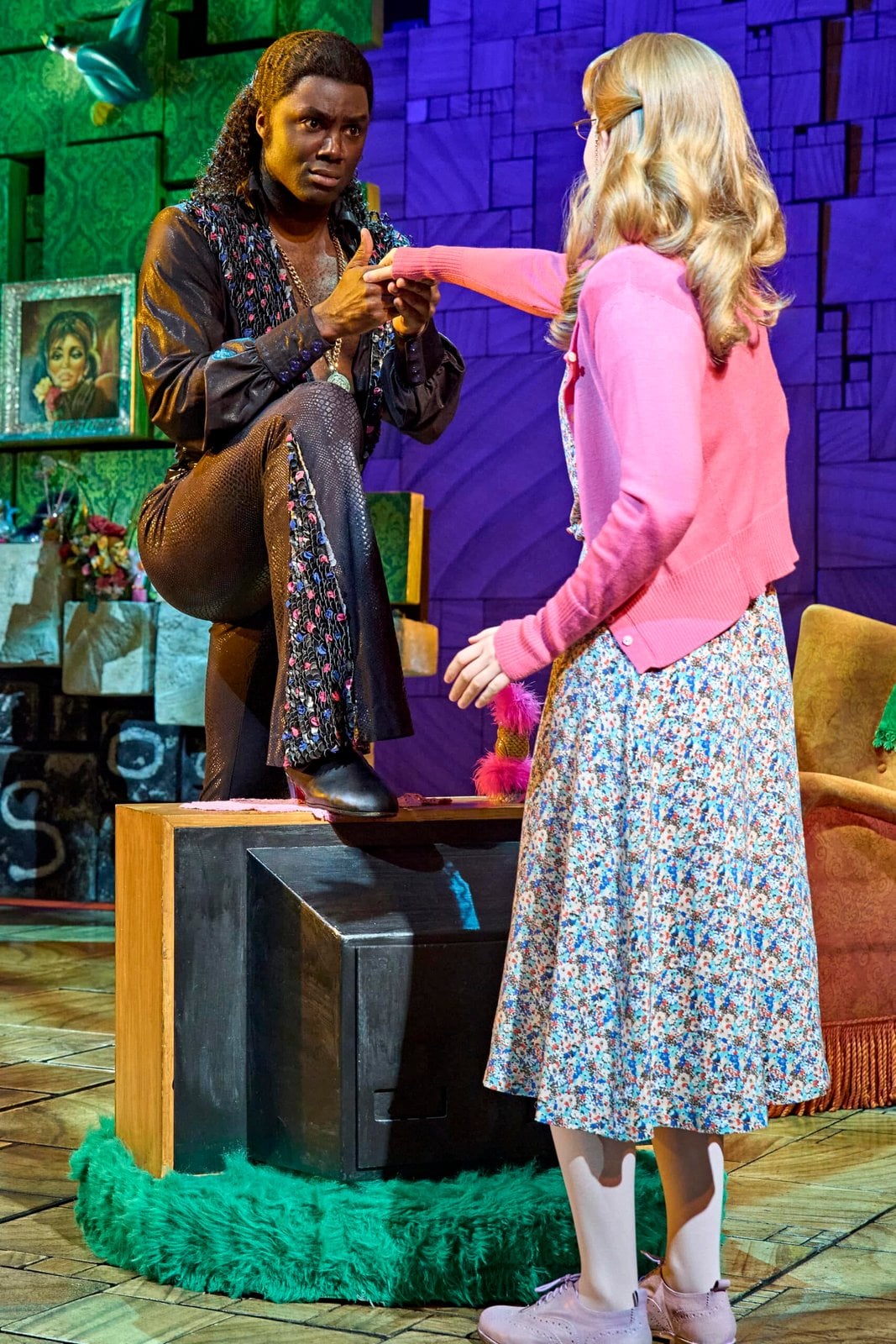
For blind and partially sighted patrons, the Matilda The Musical Audio Described Performance is the direct comparison. Its purpose differs from captions: it supplies spoken description of visual action rather than displaying dialogue. The useful distinction is visual information by voice, not on-screen text. The audio described performance details can help you assess whether the listed arrangement fits your needs.
By contrast, a standard performance makes sense when no specific adjustment is required. It keeps the choice broad across dates, but it does not supply the focused support described for the three assisted formats. Its advantage is date flexibility. The official performance options page brings those choices together.
The differences matter more than the labels
| Format | Main support | Best suited to | Check before booking |
|---|---|---|---|
| Chilled performance | More flexible environment | Guests who benefit from reduced auditorium pressure | What arrangements apply on that date |
| Captioned performance | Visible text support | Deaf or hard-of-hearing patrons | Schedule and caption provision |
| Audio described performance | Spoken visual description | Blind or partially sighted patrons | Schedule and description arrangements |
| Standard performance | Core production | Groups without a specific access adjustment | Content advice and ordinary seating details |
Compared with a standard theatre booking, the assisted formats add a defined access feature, but can narrow the choice of dates. The right trade-off is the support you need against the performance schedule that works for your group. Put access first, date second when the support is essential. Start with the chilled format, captioned option or audio description details rather than assuming all access dates are interchangeable.
A chilled performance suits flexibility, with a clear caveat
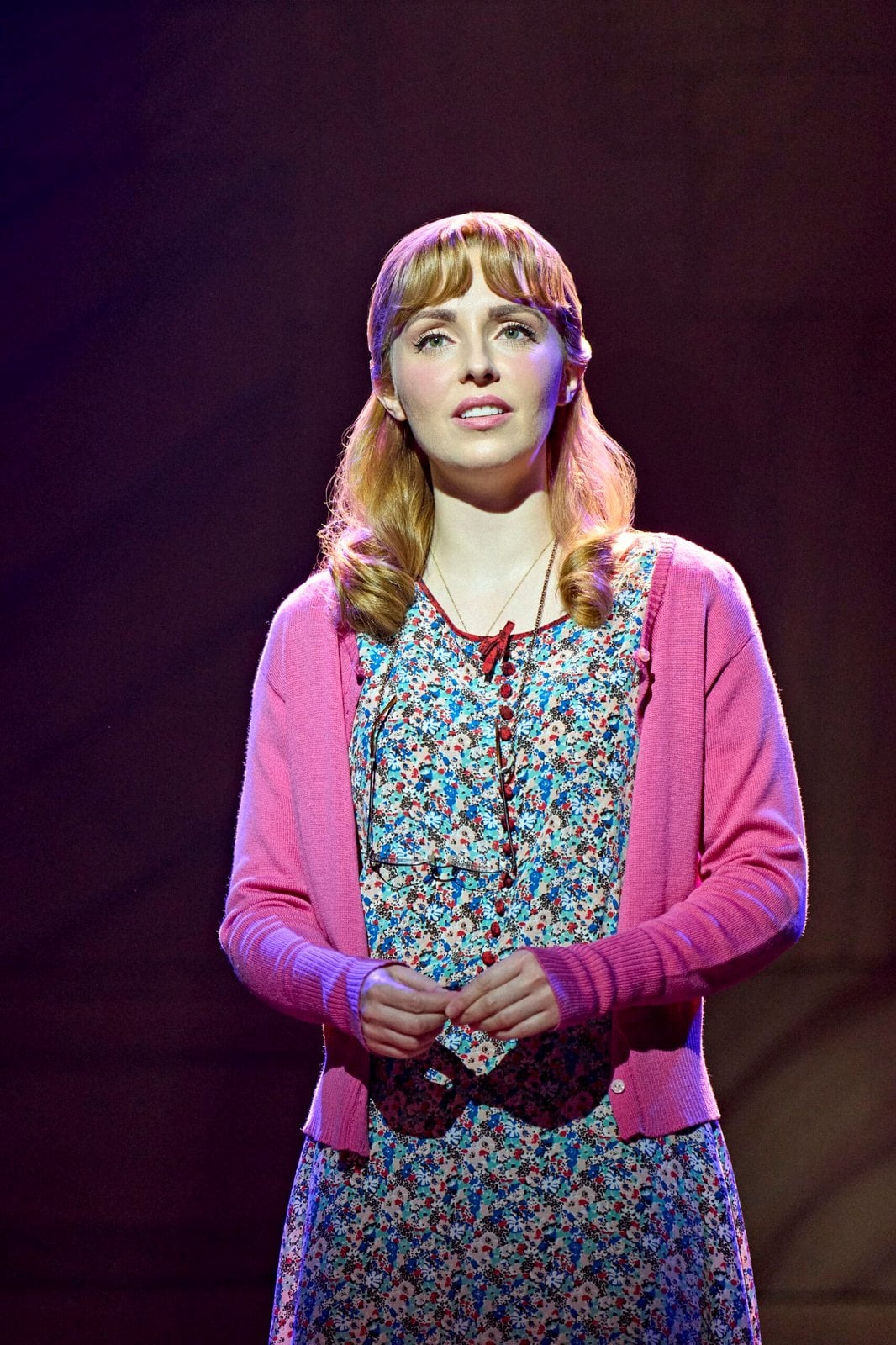
Choose the chilled option when a less restrictive auditorium experience is the priority. It is the most plausible winner for families or audience members who may need to move, vocalise or respond to the performance in ways that can feel difficult in a conventional setting. The deciding benefit is room to respond while attending. Check the official description for the precise environment rather than inferring details from the name alone.
Its limit is equally important: “chilled” does not tell you that every sensory feature disappears. The production’s content advice mentions flashing lights, lasers, loud sound effects, popped latex balloons and stage haze. Those disclosures matter when planning for sensory sensitivities, even when choosing an assisted performance. Review the chilled page and the production content advice together.
Captions win when following dialogue is the priority
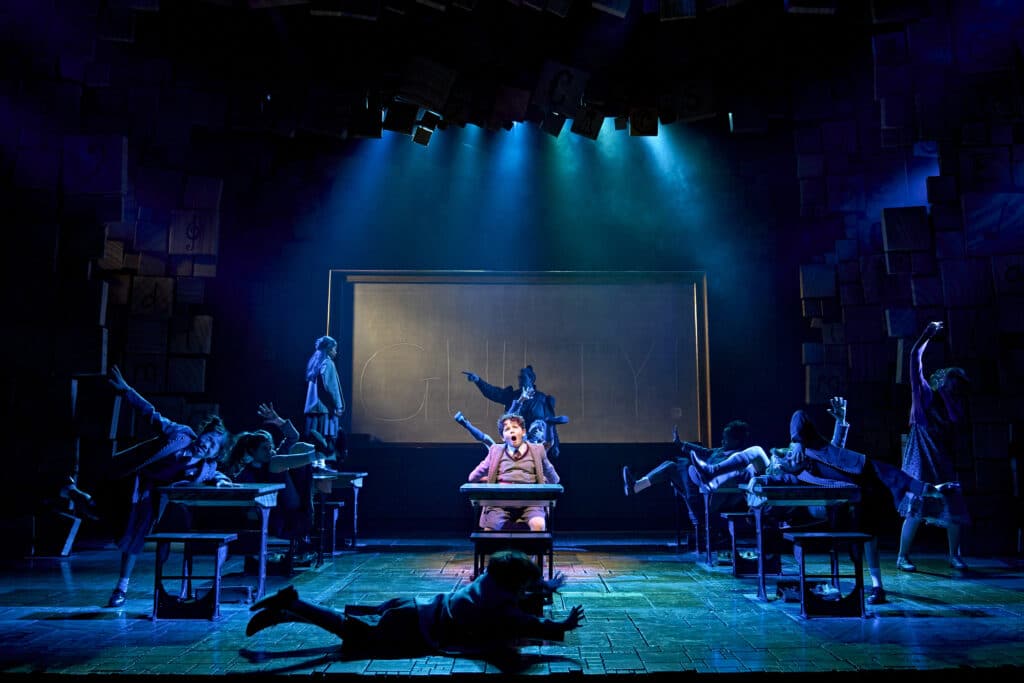
Captioned dates are the clearest fit when seeing spoken material in text is the adjustment that matters. They are not a general sensory accommodation, and they do not replace audio description for visual action. Their strength is visible dialogue support. When someone in your party relies on captions, begin with the captioned schedule and verify the exact performance before making other plans.
The trade-off is date choice. A specific access format may not be offered at every performance, and the website directs visitors to contact the box office for more information on booking assisted performances. That extra check is worthwhile if you need to confirm seating, sightlines or a particular arrangement. The official access page gives the route to ask.
- Choose captions when visible dialogue support is central.
- Choose audio description when spoken information about visual action is central.
- Choose chilled when a more flexible auditorium environment is the priority.
Audio description wins for visual access
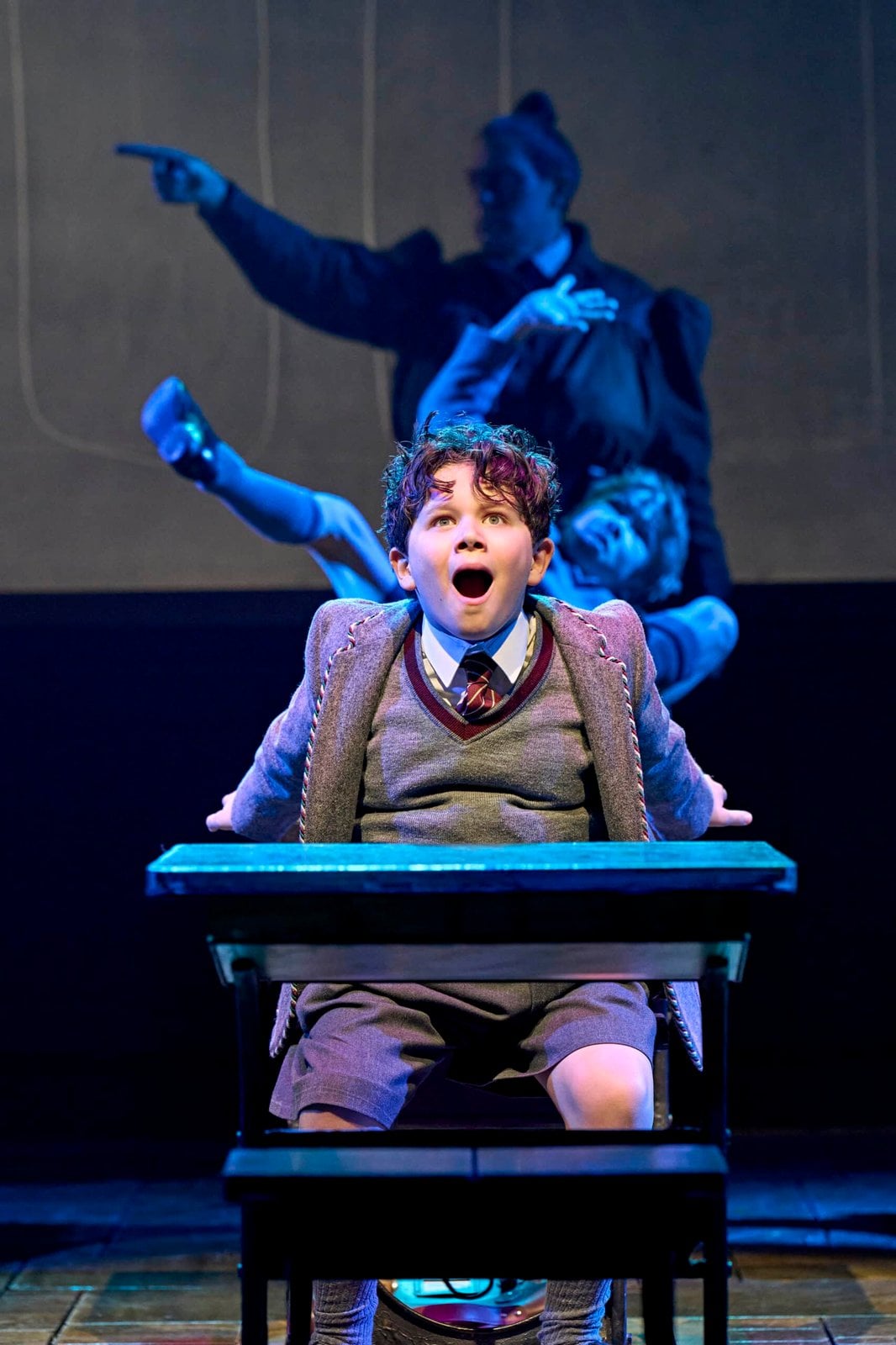
The audio-described format addresses a different barrier from captions: following visual action. It is the most suitable pick for a blind or partially sighted guest who wants spoken description as part of the performance. That is its specific access advantage. The audio described listing should be checked for its next available dates and booking instructions.
It is less relevant when the visitor’s main need is text access or flexibility in the room. Those needs point toward captioned performances or chilled performances respectively. Avoid choosing by the umbrella term “assisted” alone; match the listed support to the person attending.
Standard performances keep the widest choice
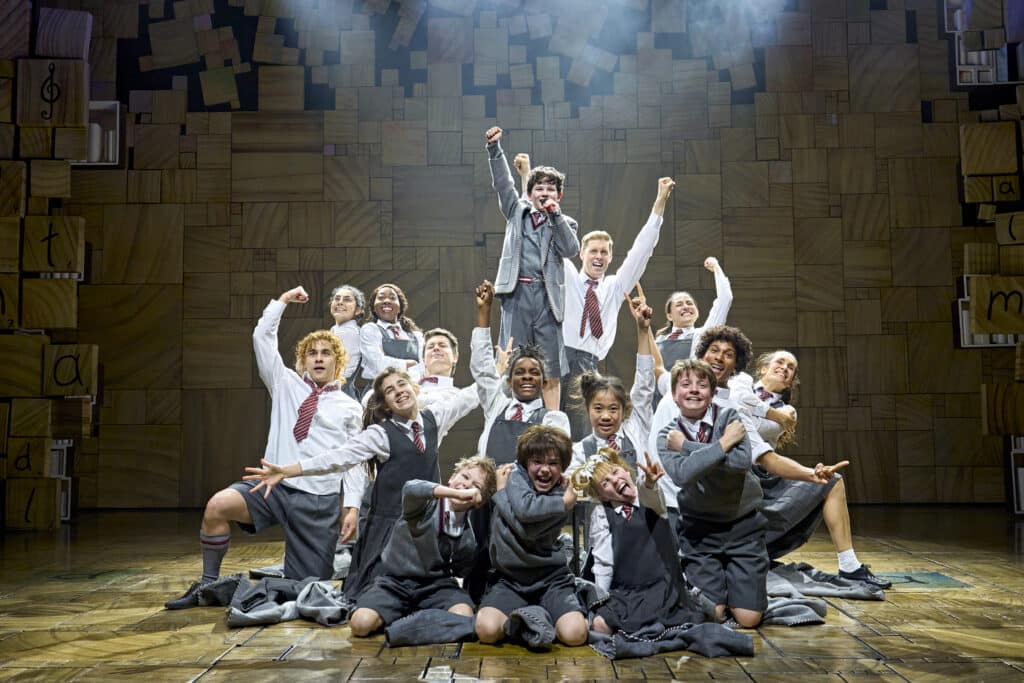
If no particular adjustment is needed, a standard performance is the uncomplicated winner. It avoids choosing a date around a specific assisted format and leaves the full production as the focus. That broadness is practical, but it is not an access benefit in itself.
Before booking any format, note that the official guidance gives an age recommendation of six and says children under six are not admitted. It also says children need their own seats. Add those rules to your decision alongside the content advisory, especially when planning a family visit. Check the official booking information and access guidance before you commit.
- Confirm the date actually offers your chosen format.
- Read the production’s content and age guidance.
- Contact the box office if the access arrangement is unclear.
Before you decide
Our comparison points to a straightforward winner by use case: chilled for greater flexibility in the room, captions for text access, audio description for visual access, and standard performances when none of those supports is needed. The honest limitation is scheduling: the official pages list several formats, but you still need to confirm which dates and arrangements are available for your visit.
We recommend starting with the access feature that matters most to your party, then checking the official date and booking details. The production’s effects and age guidance are relevant whatever format you choose.
Choose the performance format by the support your group needs, then verify the date and arrangements on the official UK site.