
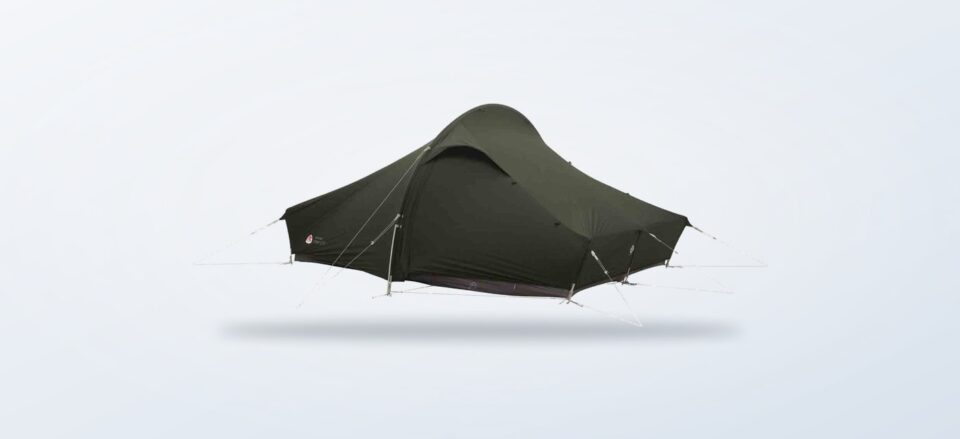
Buying a tent is one of those decisions where a glossy product photo only gets you so far. I want to know the packed weight, the weather details, how much room I am really getting and whether the price makes sense beside a familiar high-street alternative. That is why Base Camp Food is interesting: it is a UK outdoor retailer and an official UK retailer for Robens, with a range that leans into technical camping rather than vague lifestyle language.
In this comparison, I am weighing the shop against the typical alternatives buyers consider, from broad multibrand retailers to budget marketplace listings. The short version is that Base Camp Food looks strongest when you know the sort of shelter you need and care about specifications. If you just want the cheapest tent for one festival, the answer is less automatic.
What you are actually comparing
Typical outdoor shops win on sheer familiarity. You may get more brands, more customer reviews and occasional clearance pricing in one place. Base Camp Food’s advantage is focus. Its Robens selection makes it easier to compare capacity, fabric, waterproof ratings and pitching systems without filtering through hundreds of unrelated tents. The retailer also gives the buyer concrete product pages, which is more reassuring than a marketplace title that says “waterproof” and leaves it there.
- Range focus: technical Robens shelters across solo, two-person and three-person formats.
- Useful detail: weights, pack sizes, fabrics and hydrostatic-head ratings are visible on relevant listings.
- Best fit: hikers, backpackers and campers planning for changeable British weather.
- Main compromise: fewer unrelated brands if you want to browse widely by budget.
That makes the comparison fairly simple. A budget alternative may cost less but offer heavier materials, less useful ventilation or no clear performance context. A large multibrand retailer may give you more choice, but choice is not automatically helpful when you are trying to decide between a stable tunnel and a flexible dome. I would rather start with the trip and then check the numbers.
The strongest three-person options
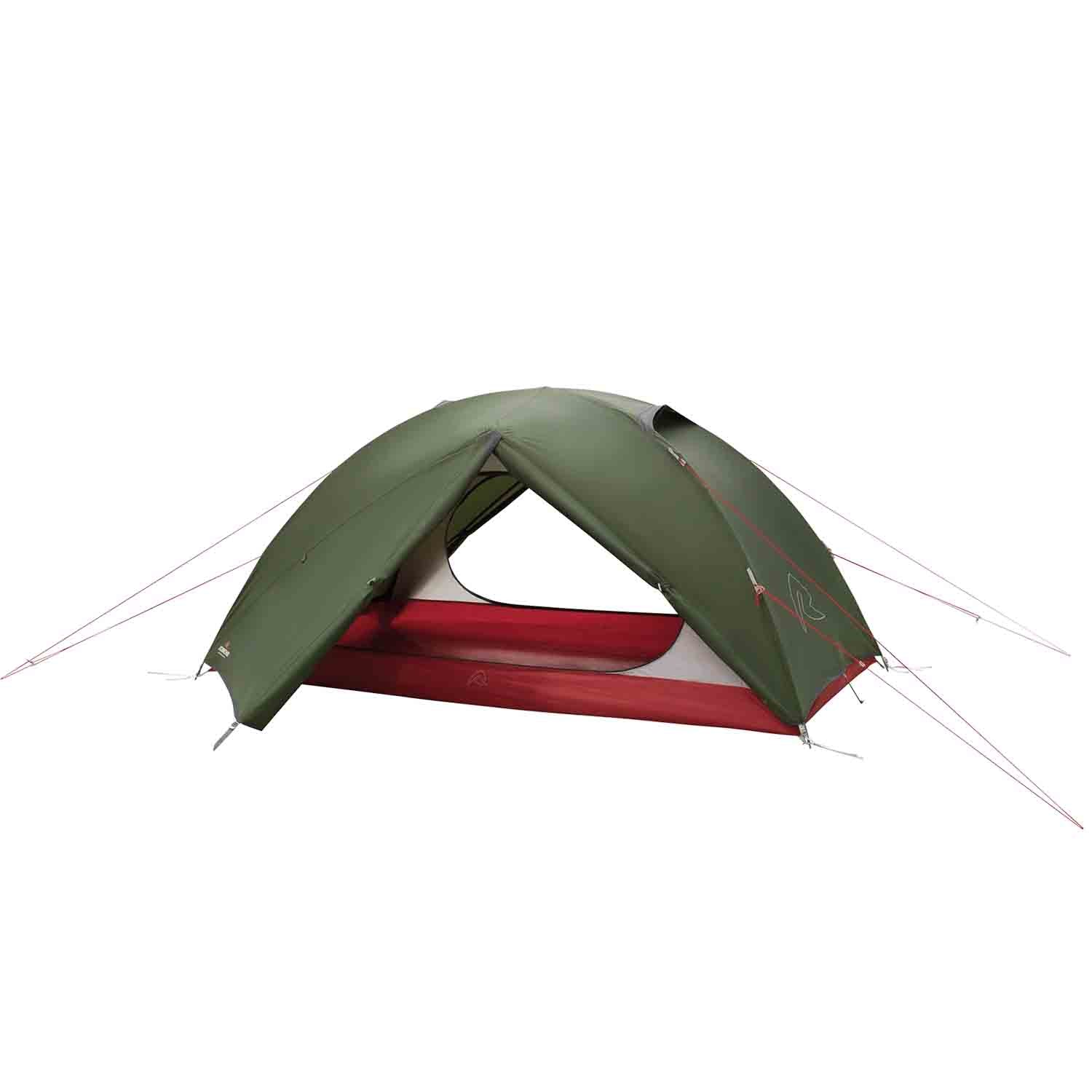
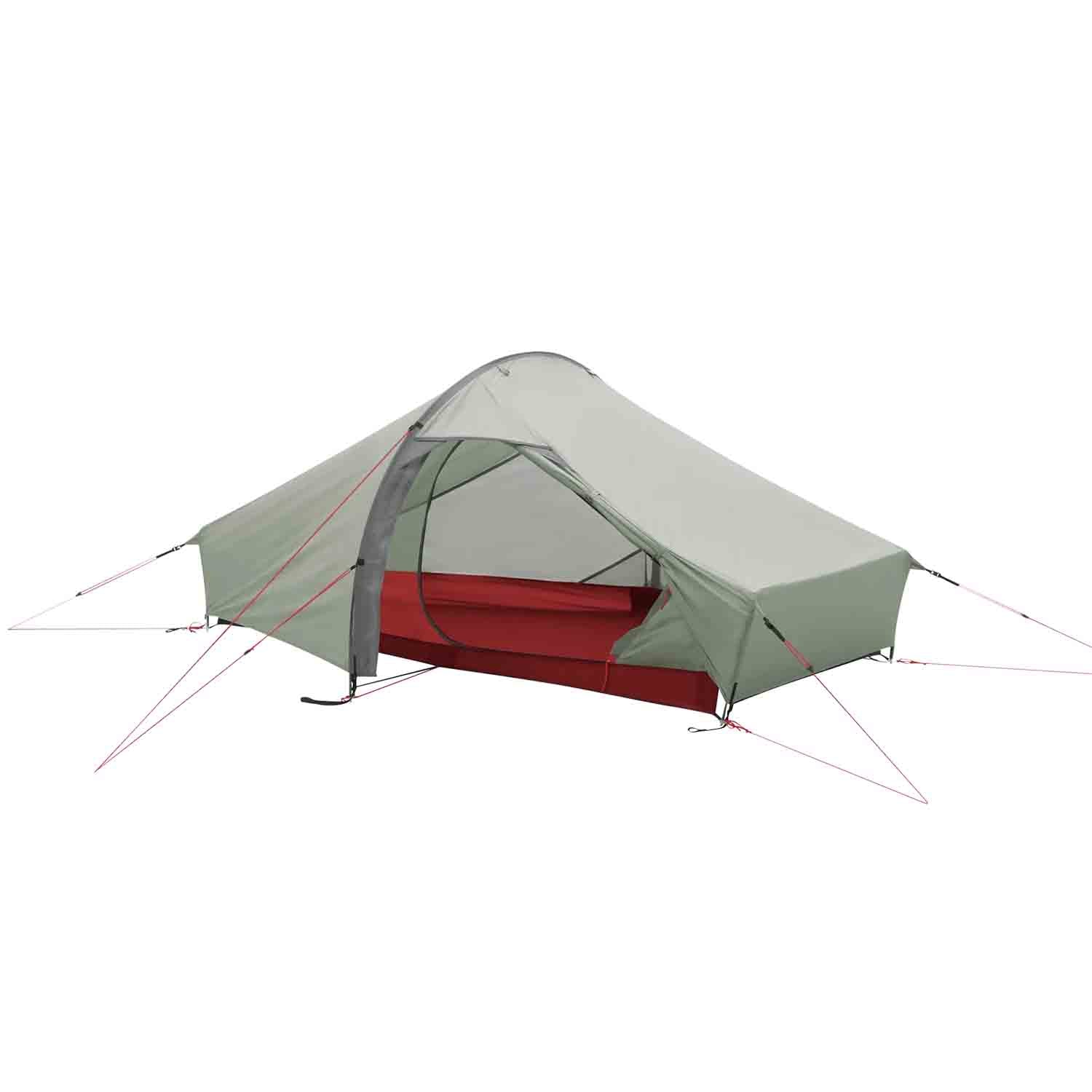
For a small group or a couple who does not want to negotiate every centimetre of sleeping space, the Robens Chaser 3XE Tent is the premium-looking pick at £469.00. It is a three-person tunnel with a spacious porch, alloy poles, adjustable ventilation and a 1.86 kg trail weight. That is a compelling mix for trekkers who value packability and usable storage, although it is clearly more expensive than a basic family tent.
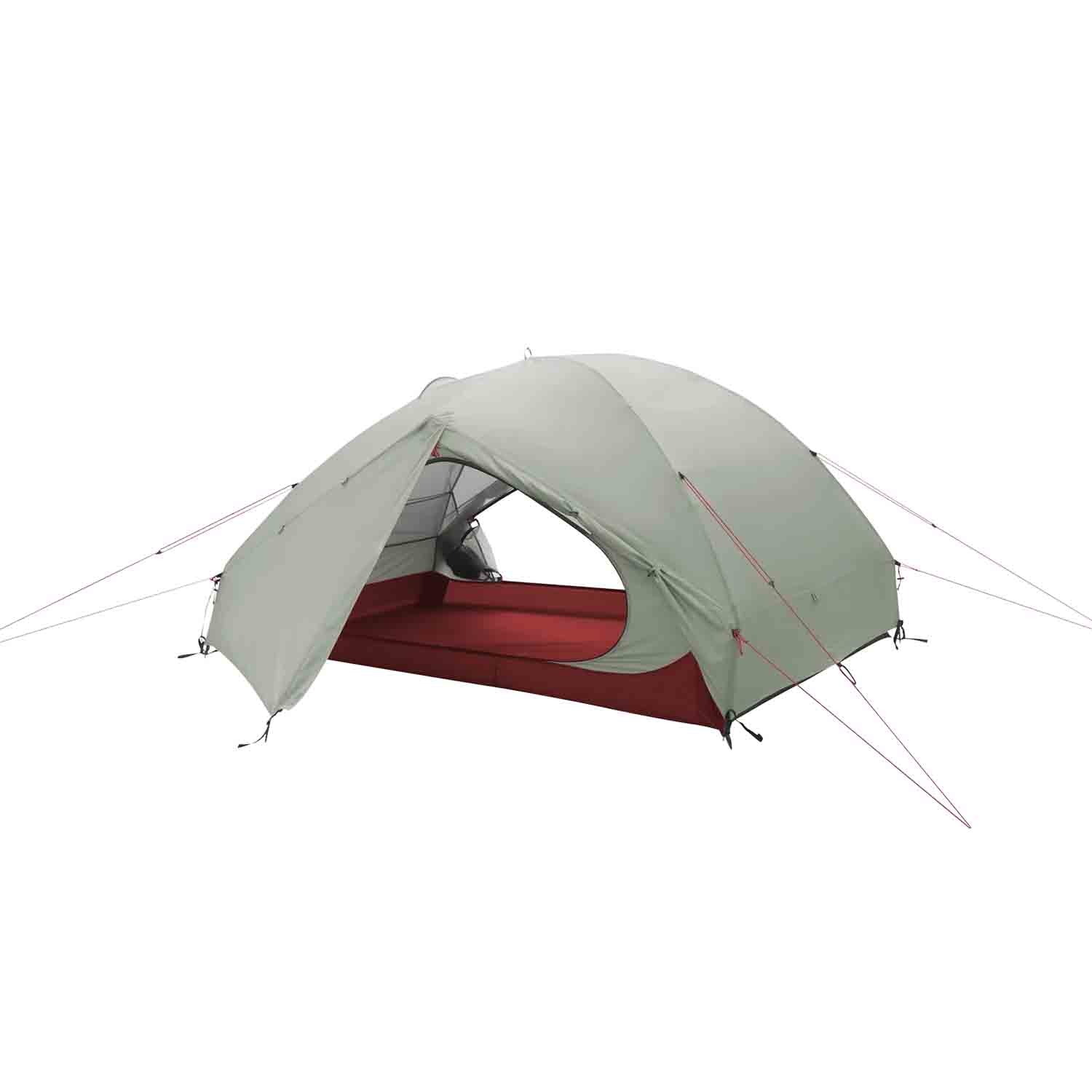
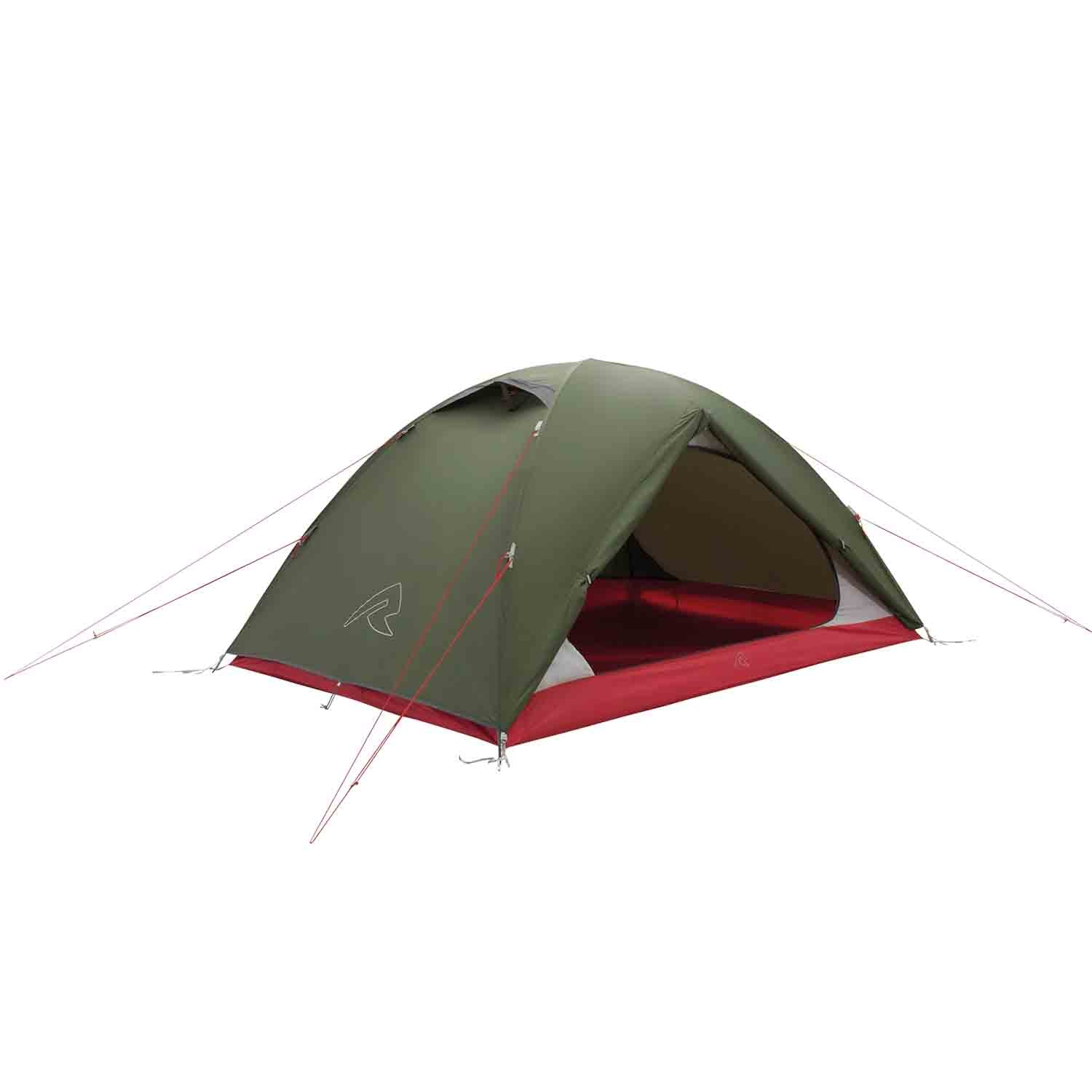
The more measured choice is the Robens Seeker 3 LW Tent at £350.00. It weighs 2.12 kg and uses a no-sag HydroTex SilPoly RS flysheet, with a 2,000 mm flysheet and 5,000 mm floor rating. Twin porches, a mesh inner and flexible pitching options give it broader everyday appeal. Against a typical budget dome, the price is higher, but the materials and wet-weather performance are easier to assess.
- Choose the Chaser 3XE for the lighter trail weight and larger porch feel.
- Choose the Seeker 3 LW for flexible pitching and strong floor protection.
- Choose a budget three-person tent when occasional fair-weather use matters more than pack weight.
My honest winner for most pairs is the Seeker. It is still a considered purchase, but it avoids paying the Chaser premium unless you will genuinely benefit from the lower weight and tunnel layout. You can browse the wider Base Camp Food tent range or compare current three-person shelters if your group size or preferred shape differs.
Solo and two-person value
Solo campers have a particularly clear choice. The Robens Chaser 1 LW Tent is listed at £224.95, with a 1.27 kg trail weight, 2,000 mm flysheet and 5,000 mm floor. Its FlexPitch system allows flysheet-only, inner-only or complete setup, while internal pockets and a lantern point make it feel thought through. That is a meaningful step above the cheapest one-person festival shelter.
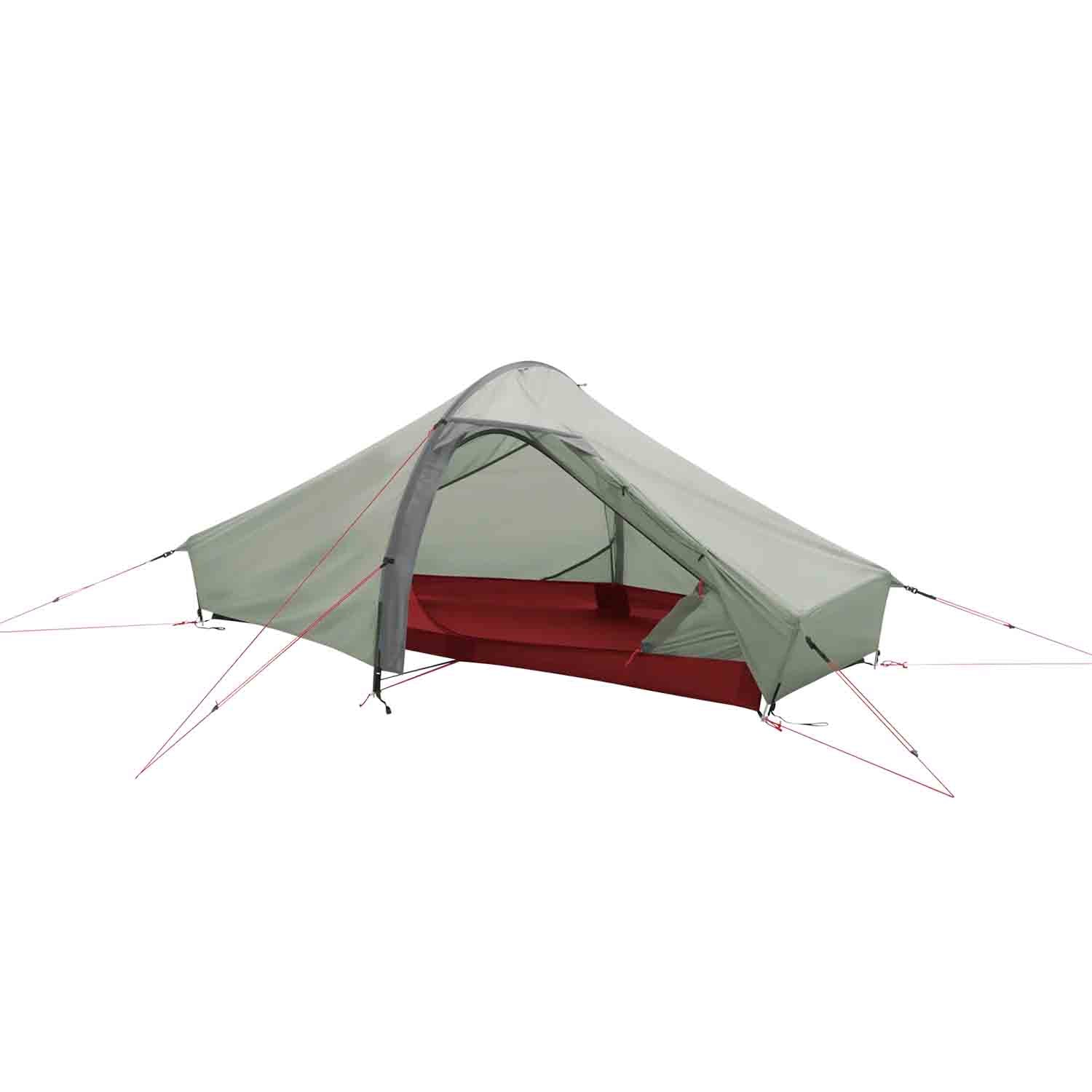
For two people, the Robens Chaser 2 LW Tent sits at £269.99 and follows the same practical formula. HydroTex SilPoly RS, DAC Pressfit poles, storage pockets, ventilation and the 5,000 mm floor rating make it a sensible middle ground. It is not the absolute cheapest route, but it is the kind of tent I would rather carry for several nights than replace after one soggy weekend. The full shelter range also makes capacity comparisons straightforward.
At this point, Base Camp Food compares well with typical specialist retailers because the products have a clear purpose. If you need a quick, low-stakes shelter, shop around. If you are building a reliable kit, the technical camping collection is the more sensible place to start.
Verdict: who should choose Base Camp Food?
I like Base Camp Food for buyers who compare gear by real use rather than by the lowest headline price. The Robens range gives you meaningful distinctions: tunnel or dome, one or three people, lighter carry or lower spend, flexible pitching or straightforward setup. The shop’s limitations are equally clear: this is not a vast bargain marketplace, and premium technical tents are not sensible for everyone.
- Pick Base Camp Food for backpacking, multi-night trips and weather-conscious buying.
- Choose the Chaser 1 LW for solo travel and the Chaser 2 LW for two-person practicality.
- Choose the Seeker 3 LW when you want the best balance of price, capacity and protection.
- Look at broader retailers for maximum brand choice or a basic occasional-use tent.
Before ordering, check current availability, the displayed price and the packed dimensions against your own kit. Prices can change, but on the listings reviewed here, the specifications make the premium easier to understand. That is the key difference for me: the range earns consideration, even if it does not win every budget contest.
Base Camp Food is my recommendation for planned outdoor trips where dependable, well-specified Robens shelter matters more than the cheapest possible price.