

Booking a ferry is easy once you know which details matter. The tricky part is choosing a sailing that actually fits your arrival time, luggage, vehicle and appetite for flexibility. This practical guide walks you through the process in the order I use it, with Ferryhopper as the natural place to compare the options.
Ferryhopper brings schedules from more than 360 ferry companies together across over 1,700 destinations in 63 countries. That means you can compare a conventional ship with a fast catamaran, check alternative ports and review the total before committing. Start with the Ferryhopper ferry search, then keep this checklist open.
1. Turn your idea into a bookable route
Write down your real start point, destination and travel date before searching. A city and an island may have several ports, and the closest-looking option is not always the easiest one. Add your travel mode on foot, with a car or with a pet. Those choices affect both availability and price.
- Choose the exact departure port and arrival port.
- Choose whether you need a one-way, return or multi-destination booking.
- Note your preferred arrival time, not just the departure time.
- Include every passenger, child, vehicle and pet from the start.
For a short Channel crossing, the Dover – Calais ferry route is a useful example: Ferryhopper lists around 20 daily crossings, a shortest trip of 1 hour 30 minutes and prices from about €87 per vehicle. That is more useful than searching for a generic “France ferry” and discovering the port details at checkout.
2. Compare the sailing, not only the headline fare
Once you have results, compare the whole journey. A slightly cheaper ticket may leave at an awkward hour, take longer or offer fewer seating choices. Look at the operator, duration, frequency and ticket conditions together. On the Athens (Piraeus) – Santorini route, for example, the key decision is often conventional ferry comfort versus a faster catamaran.
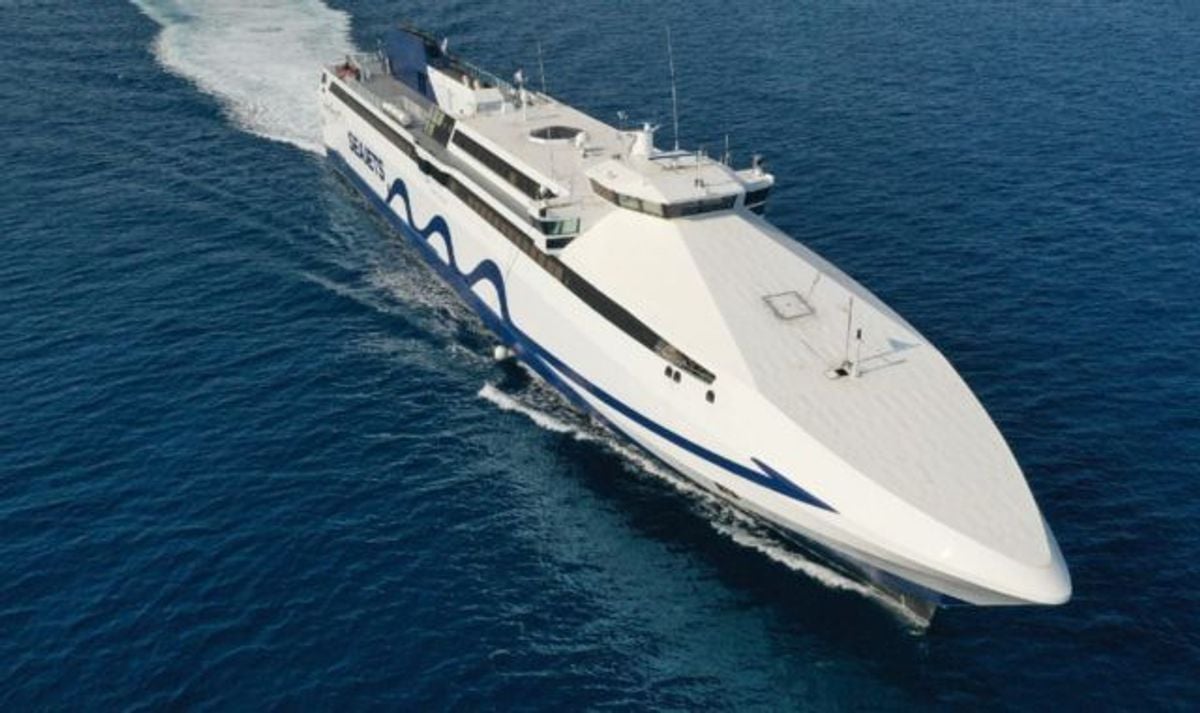
Use Ferryhopper’s fare comparison to check the visible total and then inspect the conditions. Ferryhopper says it shows the same prices as ferry companies and highlights active offers, with no hidden fees. Still, read the final summary for luggage rules, seat supplements and change restrictions.
- Sort by departure time if your onward travel is fixed.
- Sort by duration if you have a tight itinerary.
- Compare the final fare for all travellers, not the teaser price.
- Check if a flexible ticket is worth the extra cost.
For an island-hopping plan, compare individual legs as well as the full journey. The Barcelona – Ibiza ferry route can suit travellers who want a direct sea connection, while the Split – Hvar ferry route is the sort of shorter leg where departure time and port access may matter more than a tiny fare difference.
3. Match the ticket to the way you travel
Now choose the ticket format that removes stress from your particular day. On a short sailing, a standard seat may be perfectly comfortable. On a longer crossing, extra space, a lounge or a cabin can change the experience. If you have a car, confirm the vehicle dimensions and arrive within the operator’s check-in window.

- Foot passenger: prioritise port access, boarding time and seat availability.
- Car traveller: check vehicle dimensions, boarding instructions and arrival buffer.
- Family: look for child discounts, play areas and sensible departure times.
- Pet owner: add the pet during booking and review the operator’s rules.
Ferryhopper’s route pages make these comparisons easier because they bring schedules, operators, indicative prices and practical notes into one view. You can also use the ferry operator directory to understand who runs a sailing before selecting it.

4. Check the practical details before paying
Before you enter payment, pause for one final audit. Confirm names exactly as they appear on travel documents, check the date and direction, and make sure your email address is correct. Review the cancellation and modification terms, especially if weather or a delayed flight could affect your plan.
- Verify passenger names and dates.
- Check if the fare includes a seat, vehicle or luggage allowance.
- Read the operator’s check-in and boarding guidance.
- Save the confirmation email and booking reference offline.
For extra reassurance, bookmark My booking on Ferryhopper and the travel alerts page. Eligible bookings may be manageable online, while alerts can flag strikes, weather disruption or service changes. It is a small step that can save a frantic search on travel day.

5. Build a simple departure-day plan
Work backwards from boarding. Allow time for the journey to the port, parking or transfers, document checks and queues. Keep your confirmation accessible, pack medication and essentials in your hand luggage, and avoid making a tight connection immediately after arrival. If your route is busy, earlier is usually kinder to your future self.

The best reason to use Ferryhopper is not one flashy feature. It is the combination of broad route coverage, comparable schedules, clear practical information and a booking trail you can revisit. That makes it particularly useful when you are connecting several islands or travelling with a car.
My quick choice would be simple: use the Dover – Calais results for a frequent UK crossing, the Piraeus – Santorini results for a Greek island itinerary, or browse all Ferryhopper routes when your plan is still taking shape. Then return to the checklist above before confirming.
Verdict: Ferryhopper is the practical choice when you want to compare the right route, fare and travel details in one booking journey.