

One World Observatory is easy to recommend as a New York landmark. The more useful question is which version of the visit earns its place in your itinerary. I compared the current ticket tiers, checked what each one actually adds, and looked closely at the dining option. The result is a polished experience with a genuinely memorable arrival, but also a few costs and conditions worth understanding before you commit.
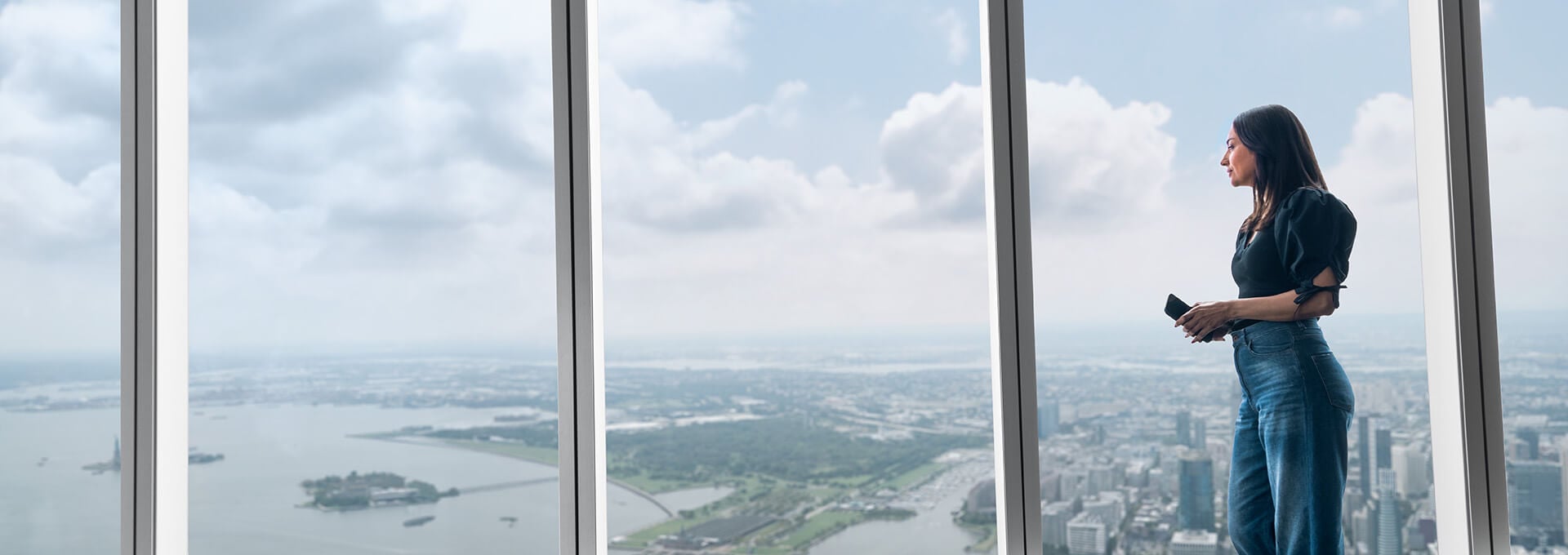
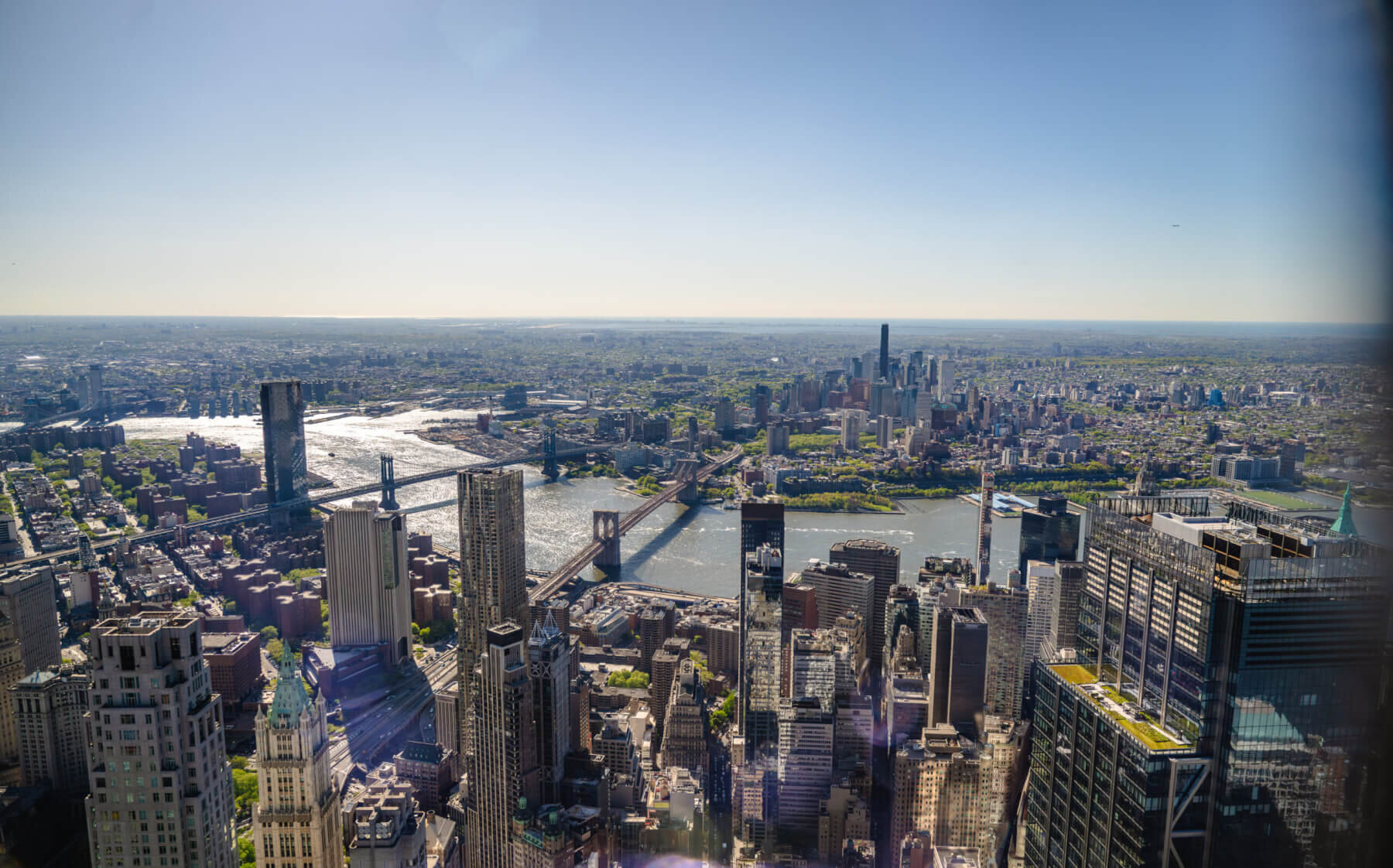
The observatory occupies floors 100 to 102 of One World Trade Center, with views across Lower Manhattan and beyond. The headline is impressive, yet the best part is the sequence: the 47-second SkyPod elevator, the See Forever Theater, interactive City Pulse storytelling, and then the open skyline reveal. If you want to compare dates and current availability, the official One World Observatory ticket calendar is the practical starting point.
One World Observatory makes the ascent part of the visit
Many observation decks are essentially a lift, a glass wall, and a photo. One World Observatory puts more effort into the transition. The elevator animation makes the climb feel like part of the attraction, while the theater and City Pulse give the skyline some human and historical context. That makes the venue better suited to first-time visitors than to someone who only wants a fast photograph.
- SkyPod turns the 102-floor ascent into a short visual history of New York.
- See Forever Theater creates a clear reveal before you reach the main viewing areas.
- City Pulse adds interactive local stories instead of leaving the view entirely passive.
- The location at 117 West Street is convenient for a broader Downtown Manhattan day.
The tradeoff is that this is a curated attraction, not a quiet lookout. There are queues, timed entry considerations, security, and a premium attached to the polished production. I would allow at least two hours, and longer if you plan to eat. For an overview of the arrival flow, the One World Observatory experience is more useful than treating this as a simple elevator ride.
One World Observatory keeps ticket choices clear
The current menu is refreshingly legible. Standard General Admission covers the core view. It is the sensible choice for a first visit when you are watching the budget and do not need priority access. An extra processing fee plus tax should still be included in your mental total.
Combination Ticket adds priority entry, the One World Explorer digital skyline guide, and credit to use at the cafe, bar, restaurant, or gift shop. The guide is a nice practical extra, but I would choose this tier mainly when your schedule is tight. Skipping a long security or elevator wait can matter more than the add-ons.

- Choose Standard for the core view and the lowest listed entry price.
- Choose Combination when priority access and the digital guide are useful.
- Choose All-Inclusive for flexible arrival timing and the larger spend credit.
- Choose VIP Tour when a guided, hosted experience is the point of the day.
With All-Inclusive, you get priority entry, One World Explorer, a selected arrival period, and credit toward shopping, drinks, or food. That credit makes the step up from Standard easier to justify for couples or visitors planning to linger, although it is only valuable if you actually spend onsite.
The top tier, VIP Tour, includes escorted entry, a 60-minute guided tour, priority access, and an onsite credit. This is the clearest upgrade for visitors who like a host to explain landmarks and city history. It is less compelling if you prefer moving at your own pace or already know Lower Manhattan well.
ONE Dine adds a full dining experience
ONE Dine is not a throwaway cafe attached to an attraction. It serves seasonal New American cooking, cocktails, and a more deliberate dining-room atmosphere high above the city. The important catch is that observatory admission is required for an a la carte reservation. I like that the restaurant can turn a sightseeing stop into an occasion, but it also means you should budget for two linked bookings rather than assume dinner is included.

For a date, birthday, or visitor who wants to avoid racing between attractions, I would pair the All-Inclusive ticket with a ONE Dine reservation plan. The VIP Tour and dining route makes more sense when the guided element matters as much as the meal.
- Best budget fit: Standard, especially for a daytime city loop.
- Best overall balance: All-Inclusive, if you will use the spend credit.
- Best for context: VIP Tour, with its 60-minute guided component.
- Best for a celebration: Any suitable ticket plus ONE Dine, booked with time to spare.
There are also promotional routes worth checking. The site lists a late-night offer after 8pm, local offers, group discounts, and seasonal dining events. These change, so I would inspect the current offer page before assuming a deal applies to your date. Groups of 10 or more may have a stronger case for asking about the dedicated group route.
One World Observatory has costs and weather limits
The biggest drawback is price sensitivity. The starting price is not necessarily the final total, and the experience becomes a substantial line item once you add food, drinks, or a family group. The second is weather: the views are the product, so a hazy or rainy day can blunt the value. Check the forecast and the venue’s See Forever policies before selecting a non-flexible plan.
It is also worth knowing that ONE Dine admission depends on observatory access, and the restaurant operates on its own service schedule. That is manageable, but it rewards planning. Arrive with room for security and the exhibits, then treat dinner as the finish rather than squeezing it into a short gap. The venue is cashless, with contactless payment available.
- Check the final total after processing fees and any selected upgrades.
- Leave buffer time around timed entry, security, and restaurant reservations.
- Review seasonal hours, especially for late-night plans.
- Bring a backup indoor Downtown Manhattan plan for poor visibility.
My verdict is positive, with a clear preference for the middle. The core attraction is distinctive enough to justify a visit, and the production around the view gives it more substance than a quick photo stop. For most readers, the All-Inclusive option is the best balance of access, flexibility, and usable credit. The Standard option remains the right call for a lean itinerary, while VIP Tour earns its premium when storytelling is a priority.

Verdict: One World Observatory is worth it for a thoughtfully planned Downtown visit, with All-Inclusive offering the most convincing value for most travelers.