
Our review weighs Petgevity’s stated cover, policy routes and practical extras so you can decide whether its lifetime insurance suits your pet.
Pet insurance is easy to judge by a headline vet-fee limit, but the more important details sit underneath: how the annual limit works, whether previous conditions can be considered, and what you pay for routine care yourself. Petgevity presents itself as a UK lifetime insurer for cats and dogs, with flexible choices around each pet.
We reviewed the provider’s current public pages and policy-route information. The evidence points to a strong fit for owners who value ongoing cover and added support, with a few important qualifications around acceptance, waiting periods and quote-dependent pricing.
This article contains affiliate links. If you buy through them, we may earn a commission at no extra cost to you.
At a glance
- Vet-fee limits run from £1,000 to £15,000, with the selected limit resetting each renewal year.
- Lifetime Plus Dog Insurance is listed from 31p a day, or £9.33 a month, for an example price point that varies by pet and quote.
- Lifetime Plus can consider declared and accepted pre-existing conditions, subject to the policy terms.
- Multi-pet Insurance can include up to eight pets under one policy, with individual settings.
- FirstVet video consultations are included 24/7 and do not count as a claim.
The provider’s current quote options are the final source for your pet’s premium, excess and acceptance.
The policy routes are usefully distinct
For dogs, Lifetime Plus Dog Insurance is the most differentiated route. Petgevity lists up to £15,000 in annual vet-fee cover, no compulsory excess or bill share even as a dog ages, and no upper age limit. The page also says cover can start from 31p a day, although that is a listed starting example rather than a universal price.
The standard Lifetime Dog Insurance is a separate option for owners who want lifetime protection but do not need every Lifetime Plus feature. The public information says Lifetime cover includes accident and illness care, with optional extras available. Compare the schedule carefully because benefits such as behavioural treatment and complementary therapy can have different limits between routes.

For cats, Lifetime Plus Cat Insurance follows the same broad logic: a renewable vet-fee limit, optional extras and consideration of pre-existing conditions when declared and accepted. The useful distinction is flexibility, not a promise that every condition or treatment will be accepted.
Families with more than one animal may prefer Multi-pet Insurance. One policy can cover up to eight cats and dogs, while the site says each pet can have its own cover limit, excess and optional extras. That reduces admin, but it still calls for a pet-by-pet comparison rather than assuming one setting suits the whole household.
- Best match for a senior pet: Lifetime Plus, because the site states there is no upper age limit.
- Best match for a diagnosed condition: Lifetime Plus, if the condition is declared and accepted.
- Best match for a busy household: Multi-pet, where one renewal date is easier to manage.
- Best match for a lower starting quote: compare the standard Lifetime route against the Plus quote rather than relying on a headline.
What the research says Petgevity does well
The clearest strength is the way Petgevity puts the annual limit in the reader’s hands. Choosing between £1,000 and £15,000 lets owners balance likely risk and premium, and the limit resets each renewal year according to the site. That is more informative than simply saying “lifetime” without explaining the mechanics.
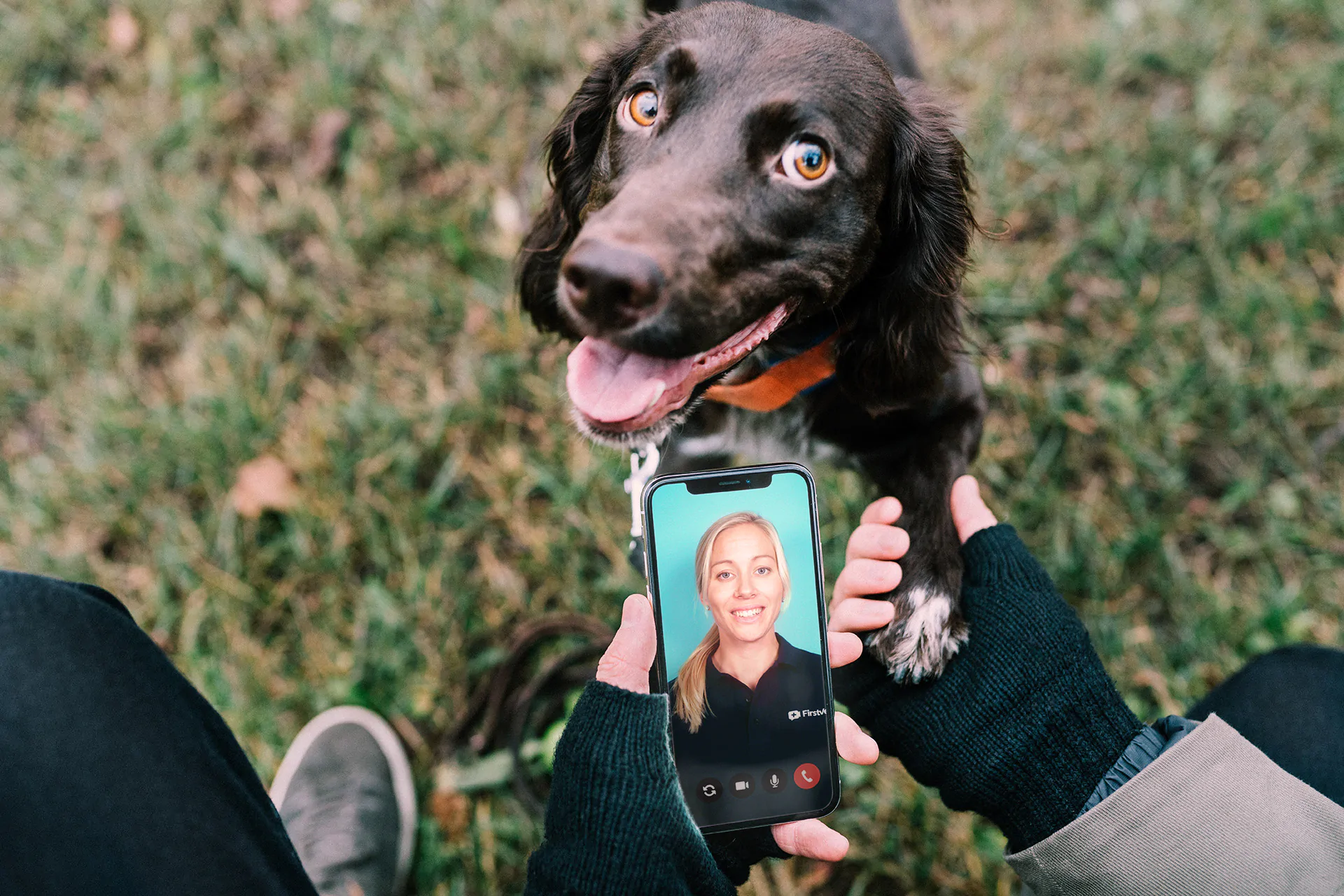
There is also meaningful support outside a claim. Petgevity includes 24/7 FirstVet access for policyholders, with UK-registered vets available for medical and behavioural advice. The provider says FirstVet does not count as a claim, which makes it potentially useful for deciding when a local appointment is necessary. It is guidance, not emergency treatment.

The remote support is an adjunct to the policy, so serious injuries still need a local vet and the normal claims process.
Dog policies include third-party liability up to £2 million, while the pages describe dental accidents as standard. Optional additions include Dental Illness, Travel and Holiday, Missing Pet and Farewell cover. The right question is whether you need each extra, not whether a longer feature list is automatically better.
Petgevity also says it can pay a claim directly to your vet, helping with cash flow when the practice accepts that arrangement. Its public Trustpilot widget shows a 4.3 out of 5 rating based on 6,487 reviews at the time of research. That is useful context, but review scores are not a substitute for reading exclusions or checking claims handling terms.
The limitations to check before choosing
Pricing is the first limitation. Aside from the Lifetime Plus dog example, Petgevity does not publish a universal premium because age, breed, location, history, limits and excess affect the quote. Requesting a quote is essential if price is your deciding factor.
Pre-existing-condition cover is not automatic. The provider says conditions must be declared and accepted and shown on the Confirmation of Cover. Routine and preventative care such as vaccinations, flea and worming treatment, neutering and routine dental cleaning is not covered. Those exclusions are normal for insurance, but they change the value calculation for owners expecting help with everyday veterinary costs.
- Declare every known condition and symptom during the quote.
- Choose a vet-fee limit that could handle specialist treatment, not just an attractive premium.
- Check waiting periods: the site lists 2 days for accidents and 14 days for illnesses, with switching conditions and other exclusions applying.
- Read the policy documents for excess, bill share, optional extras and renewal terms.

Switchers should look closely at continuity wording. Petgevity says an unbroken switch from a like-for-like lifetime policy may avoid waiting periods where the previous policy would have covered the claim, but this is conditional. That is a useful route for some households, not a blanket promise of immediate cover.
Our verdict
Petgevity is strongest for owners seeking flexible lifetime cover, especially when annual vet-fee limits, older pets, pre-existing-condition consideration or multi-pet administration matter. The included FirstVet service is a practical supporting benefit, and the product routes are clear enough to compare.
The limitation is that the headline benefits do not settle suitability. Acceptance, exclusions, waiting periods and the final price depend on your pet and chosen policy. We would shortlist Petgevity for a careful quote comparison, but we would not choose it without reading the confirmation and policy wording.
Petgevity is worth a close quote for flexible lifetime cover, provided its conditions and exclusions match your pet’s actual history.