
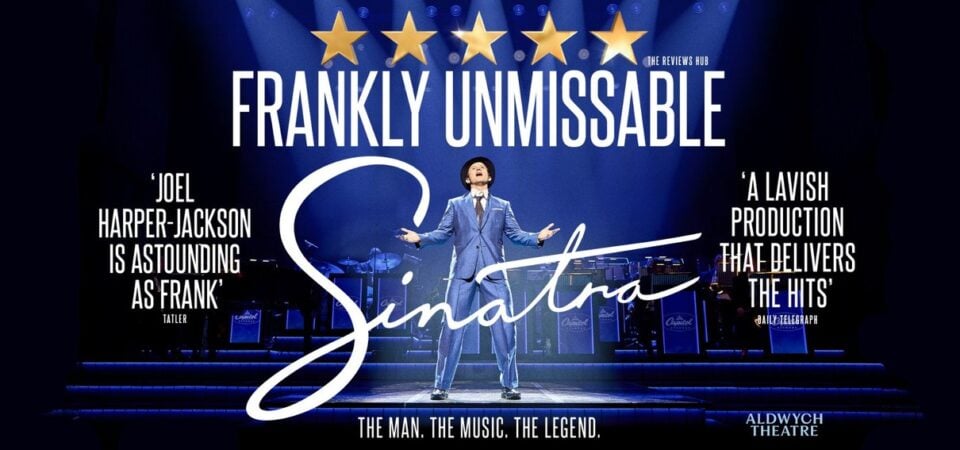
A research-led look at the official booking route, access information and soundtrack, so you can decide whether it fits your West End plans.
When choosing a West End show, the booking route matters alongside the production itself. Readers may want to compare available performances, understand the seat options, or check access arrangements before committing to an evening.
We reviewed the information published on the official UK site for Sinatra the Musical. It combines a central availability flow with performance information and a separate soundtrack page, which makes it useful for planning. The limitation is familiar: the site cannot decide whether a particular date, seat or production style suits an individual visitor.
We may earn a commission when you buy through links on this page, at no extra cost to you.
Key facts: The official All Tickets route is the main place to review available performances, while a separate flow presents Premium Seats. The site also lists captioned and audio-described performances, and its music page streams the official soundtrack. This is a useful official starting point, but availability and access details should be checked against the performance you plan to attend.
The official booking flow brings dates and seats together
The strongest practical feature is having a direct path from the show’s official site to an availability calendar. All Tickets is the clearest general option for readers who have a date range in mind and want to see what is offered. The link leads to the production’s own calendar rather than asking visitors to infer ticket availability from promotional copy. We recommend using the All Tickets availability page as the starting point, then checking the venue, performance time and seat details shown there before proceeding.
This arrangement is straightforward for a solo visitor or a small party with flexible plans. It is less conclusive for people coordinating a specific date, several seats together, or a group that needs extra arrangements. Availability can change, and a calendar is only useful once you have checked the exact performance. The official booking route is therefore a practical first step rather than a guarantee that every preferred combination will appear.

The brand’s own production overview gives further context on the musical, while the calendar addresses the transaction question. Keeping those roles separate helps: read about the production to judge the subject matter, then return to the availability calendar to assess an actual visit.
Premium Seats add a separate choice, with details to verify
The site presents Premium Seats as a distinct route within its official booking experience. That gives visitors who prioritise seat location a specific option to inspect instead of assuming that every seat is presented in one undifferentiated list. The Premium Seats flow is the relevant page to review, and the general All Tickets calendar remains useful when comparing the broader selection.
A premium label alone does not explain whether the extra spend is worthwhile for a particular visitor. The practical value depends on the available seats, sightlines, personal comfort needs and what is shown for the chosen performance. Our advice is to compare the seat information on the page with your own priorities instead of treating the category name as a quality guarantee. For visitors who care more about simply finding a suitable date, the standard All Tickets option may be the more relevant starting point.
- Choose the general calendar when date availability and a broad seat selection are the first questions.
- Inspect Premium Seats when location is a priority and the specific seat information supports the choice.
- Pause before booking if you need a confirmed access arrangement or several seats together.

Access listings are useful but need a performance check
One meaningful strength is that the official site identifies captioned and audio-described performances. Putting these listings within the production’s own information gives visitors a route to investigate access needs early, rather than relying on a general show description. Readers can review the relevant performance information and then confirm details with the theatre or box office if they need to know how an arrangement works in practice.
This is helpful information, but a listing is not a substitute for confirming the requirements of an individual visitor. Availability may be tied to particular performances, and the booking page may not answer every question about seating, companion arrangements or arrival. If access is central to the decision, check the performance calendar and follow up with the official contact route before completing a booking. That extra step is a sensible limit to acknowledge, rather than assuming the first page answers everything.
- Find the performance that matches your preferred date.
- Check whether the relevant captioned or audio-described listing applies to that performance.
- Confirm personal seating or access questions with the official venue contact before booking.

The soundtrack offers a separate way to assess the music
The official Sinatra: The Musical soundtrack page is a distinct resource for readers who want to hear the music associated with the production. It streams the soundtrack, so visitors can explore the musical material separately from ticket selection. That is a useful editorial strength: the site offers context for the show as well as a route to attend it. The official soundtrack page is the direct destination, and the production page helps place the music within the broader show.
Listening can help readers decide whether the material appeals to them, but it cannot represent the full live experience, staging or performance. Treat the soundtrack as a preview of one aspect, not a substitute for understanding the production. The music page works best as a companion to the show’s description, while ticket choices still depend on date, seats and the visitor’s own preferences.

For visitors comparing a theatre evening with the recorded music, the official pages make those two parts of the decision easy to separate.
- For date flexibility: begin with All Tickets and compare the available performances.
- For seat location: inspect Premium Seats and judge the listing against your priorities.
- For access planning: check the performance-specific information and confirm details directly.
- For music context: use the official soundtrack page before deciding whether the show appeals.
Before you decide
Our recommendation is to use the official site as the first stop if you want a direct view of the production’s ticket options and published access information. Its best case is a visitor with a flexible date who can compare the calendar, consider whether a premium seat is meaningful, and confirm any access questions early. A separate soundtrack stream adds useful context for readers who are still deciding whether the show itself is for them.
The honest limitation is that the site cannot remove the need to check seat availability and performance-specific arrangements. Visitors with fixed dates, group seating needs or detailed access questions should verify those points before booking. Read the official pages for All Tickets, Premium Seats and the soundtrack in the order that matches your decision.
The official route is a sensible first stop for visitors who value clear booking and access information, provided they check the details for their own performance.