
A concise introduction to the Royal Shakespeare Company musical, the people behind it and the official London performance options worth knowing about.
For readers who know Roald Dahl’s book, the natural question is what changes when Matilda’s story moves from page to stage. For newcomers, it is simpler: what kind of production is this, and what should you know before choosing a performance?
Matilda The Musical is the Royal Shakespeare Company’s stage adaptation, currently presented at the Cambridge Theatre in London’s West End. The official site frames it through its story, creative team and performance information, which makes it easier to get a sense of the show before planning a visit.
We may earn a commission when you buy through links on this page, at no extra cost to you.
Key facts: The production takes its source from Roald Dahl, with a book by Dennis Kelly and original songs by Tim Minchin. The official London home is the Cambridge Theatre, and the site lists standard and assisted performances. The creative credit and access details give first-time readers a useful way to decide what to explore next.
The RSC adaptation keeps Matilda’s agency at its centre
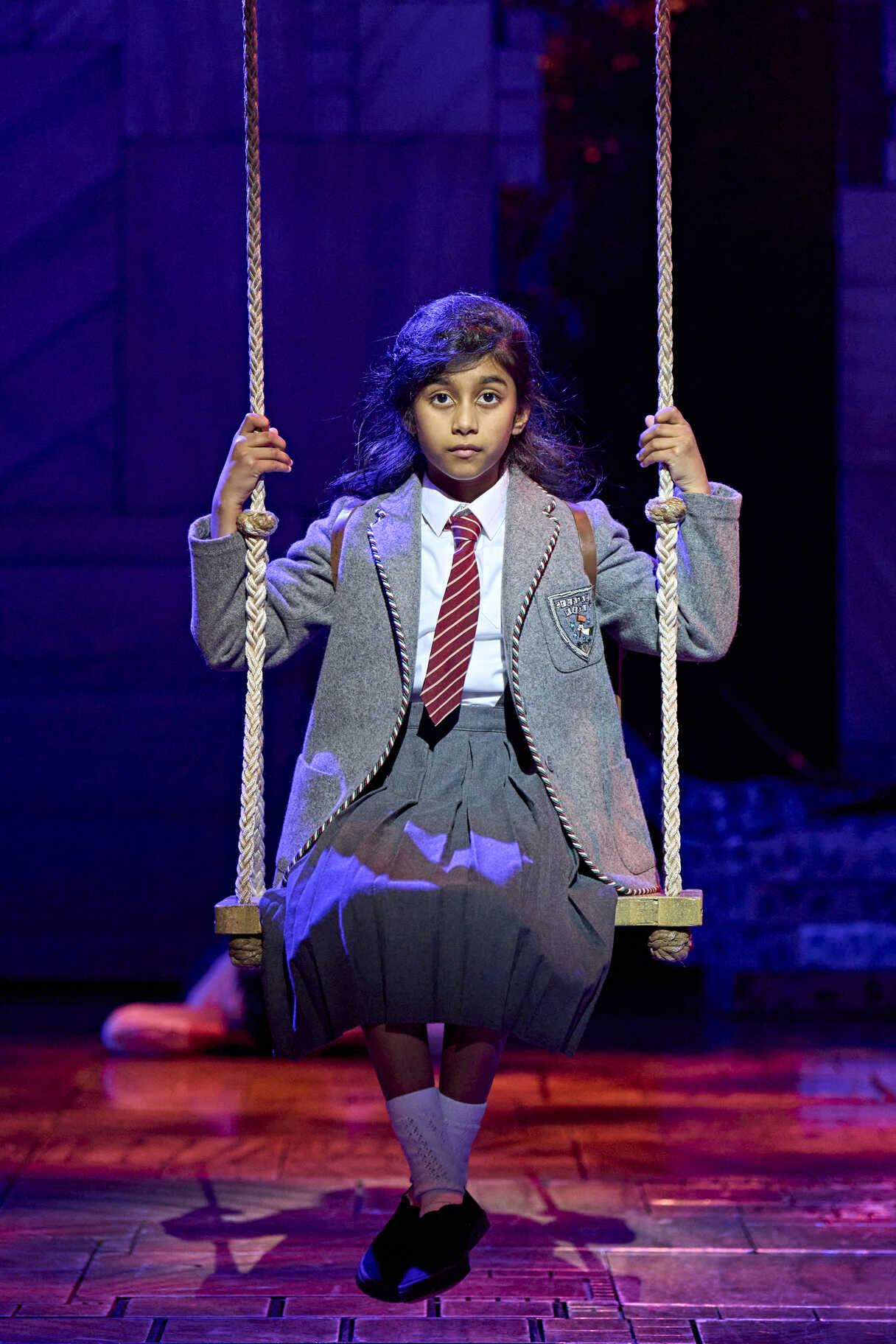
The official story description centres on an extraordinary girl with a vivid imagination and a sharp mind who takes a stand and changes her own destiny. That premise matters because it points to the show’s central idea: Matilda is not simply a child caught in an eccentric world, but the person who acts on it. Dahl’s familiar character provides the entry point, while the theatre version makes her choices the engine of the evening.
The Royal Shakespeare Company places the production in a broader theatrical tradition. It is not presented as a standalone screen tie-in. The show’s published history includes a long West End run and international productions. Readers can browse the official performance information alongside its history. Those facts offer context for a reader deciding whether the title is a one-off family outing or a work with a wider stage history.
That history does not mean every visitor needs background knowledge. A useful starting sequence is:
- Read the official story outline if the novel is not familiar.
- Check the current cast and creative information before choosing a date.
- Use the published content advisory to judge whether the material suits your party.
- Look at the performance details if someone in your group benefits from an adapted format.
For a first visit, those pages offer more practical context than relying on the title alone. The story-led focus is the clearest reason to care: it gives families and adult theatre-goers a shared point of entry, while leaving room for the production’s own comic and musical interpretation.
Kelly and Minchin shape the show through words and music
The creative pairing is unusually legible even before a ticket is considered. Dennis Kelly wrote the book, while Tim Minchin created the original songs. In theatre terms, the book carries the dramatic structure and dialogue; the songs add another route for character, pace and feeling. That division helps explain why the adaptation is more than a retelling of the novel.
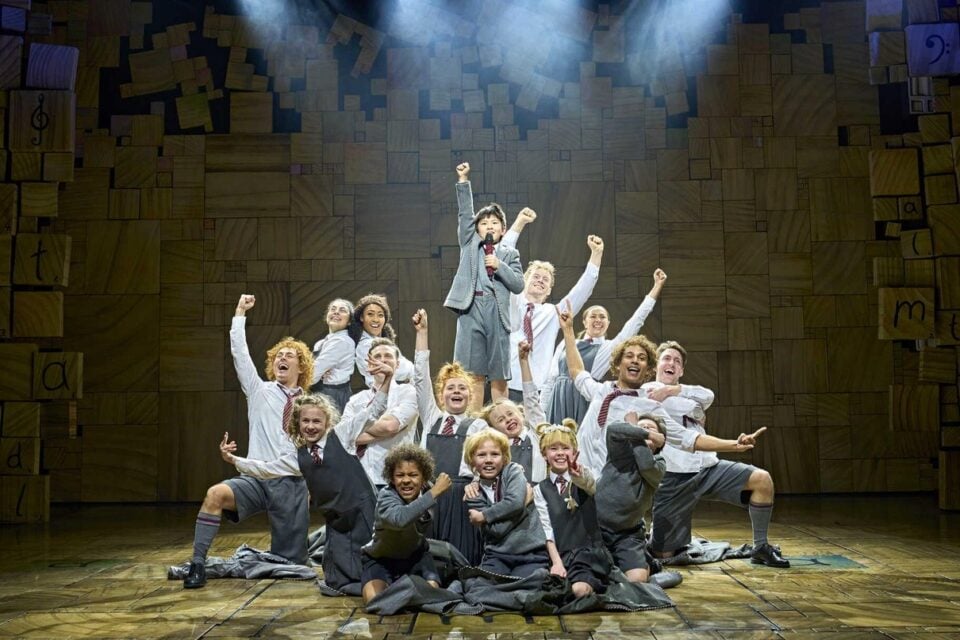
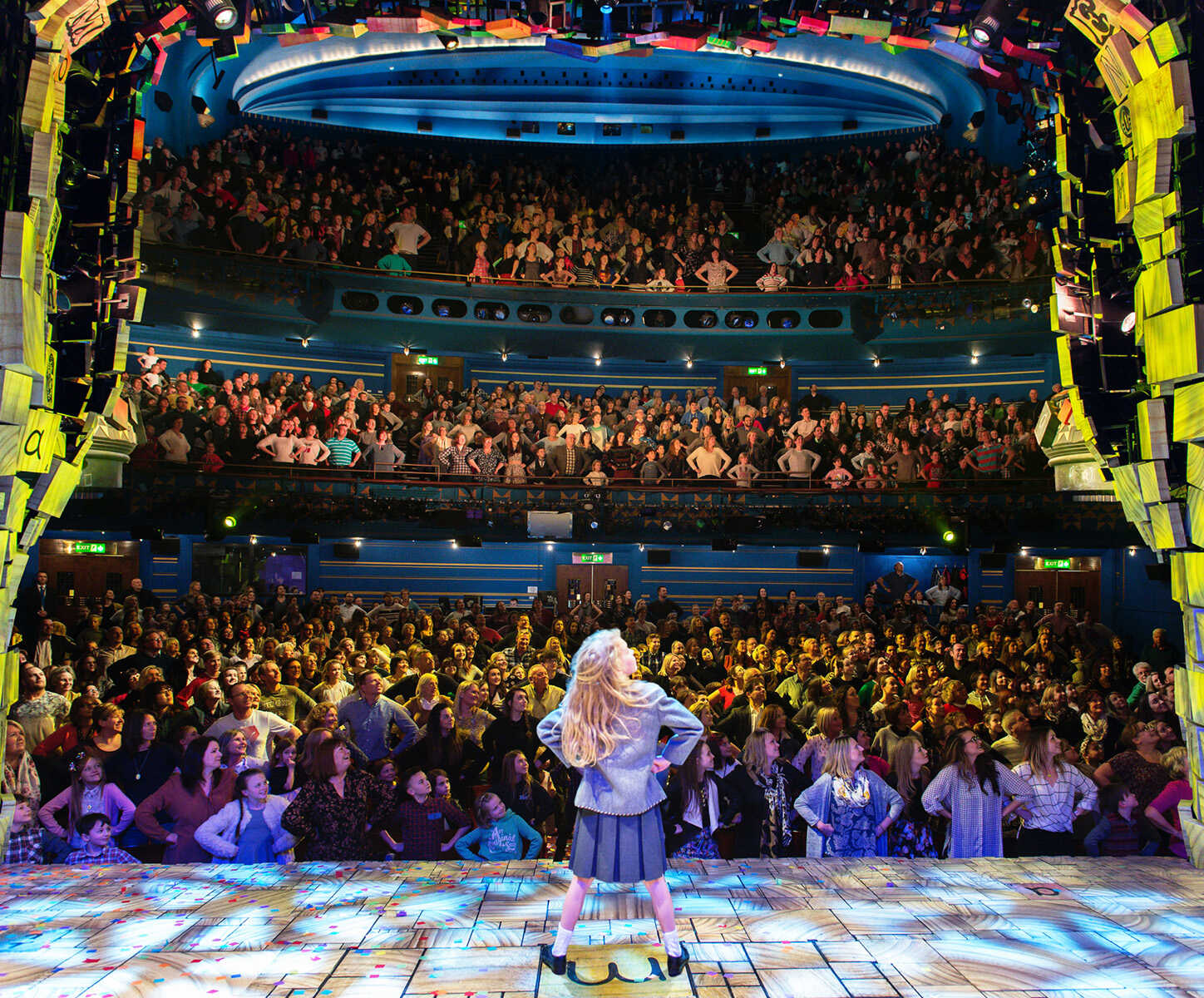
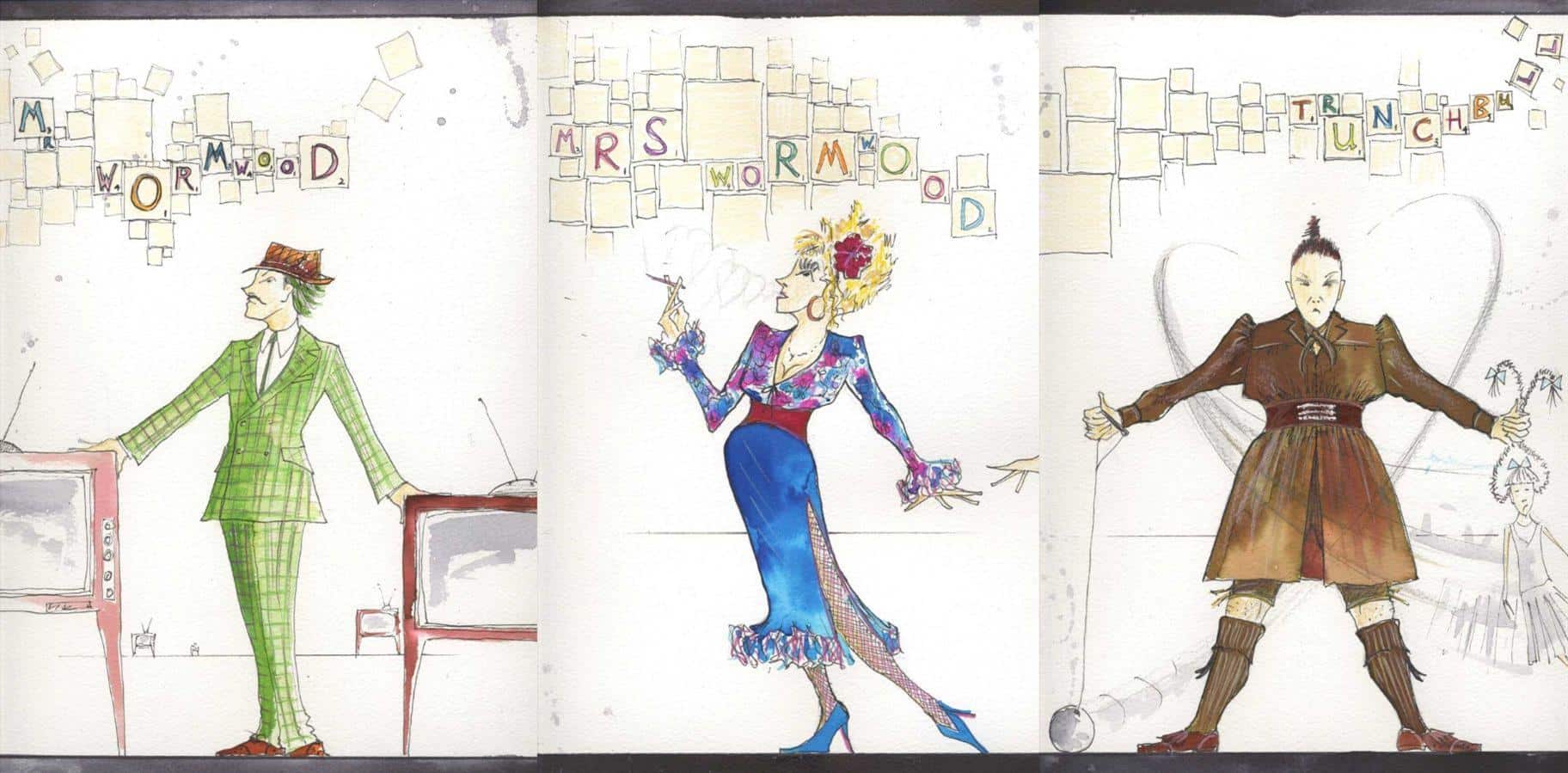
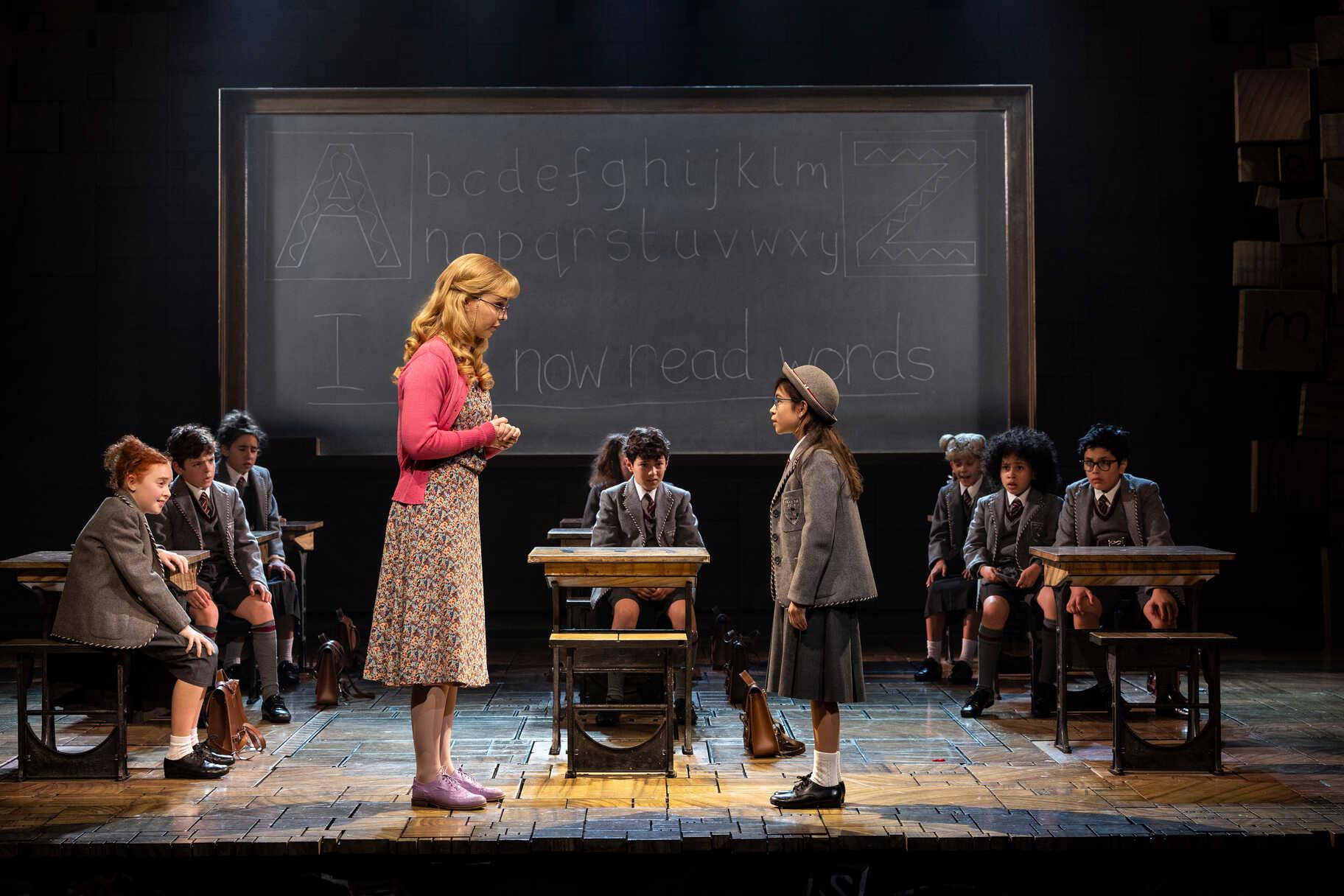
The official site credits both creators directly, and its gallery includes material from across the production’s history. Its show background also gathers the main story and production facts. Readers interested in how the show’s identity was formed can begin with the creative credits, then browse the official gallery for production photography and design material. The photo archive is especially useful as visual context, though images alone cannot tell you how a particular performance will feel. Explore the official production gallery for more context.

The imagery also signals a production built for theatrical scale: performers, costumes and stage compositions carry the story in a live room. A gallery can help readers recognise that visual language, but it should be treated as an introduction rather than a promise of a specific cast or staging on a future date. Casting changes, and the official cast page is the appropriate place to check who is scheduled.
For a more detailed sense of the show’s design and history, the official Matilda The Musical information pages connect its story, creative credits and gallery. The production’s artistic identity becomes clearer when those elements are read together: the source story supplies the central character, the book turns it into stage drama, and the songs give that drama its musical form.
The Cambridge Theatre anchors the London production
The London version is presented at the Cambridge Theatre in the West End, with the official site directing visitors to its own ticket information and booking route. Venue matters to the decision because a theatre visit includes more than the performance: transport, timing and seat selection all shape the day. The site’s location guidance points to nearby underground and rail connections, while its booking pages carry the current schedule and availability.
Rather than relying on an old listing, readers should use the official ticket page to check the performance calendar and the booking flow. The show site also notes that schedules can change. That is particularly relevant for families planning around school and travel. The official London performance information is the place to check details before committing. Readers can also open the official ticket page to see the current schedule.
The production also offers several performance formats under assisted performances. These are distinct formats rather than interchangeable labels:
- Matilda The Musical Chilled Performance allows a more relaxed approach to noise and movement, including leaving and re-entering; the performance itself is unchanged.
- Matilda The Musical Captioned Performance is a listed option for audiences who use captions.
- Matilda The Musical Audio Described Performance is listed for audiences who use audio description.
Dates and availability are specific to the schedule, so a format’s existence does not guarantee it runs on a preferred day. Check the relevant official page and booking details together. The site also lists other access formats, including BSL interpreted and relaxed performances, and provides preparation materials such as a visual story and Sonic Story. The official access overview brings those resources together. These resources make the offer more practical for people who want to understand the visit in advance.
The official pages make first-time planning more concrete
One strength of the brand’s official site is that it brings story information together with planning resources. A newcomer can move from the synopsis to cast and creative credits, then on to the venue, performance formats and FAQs. That progression helps answer separate planning questions without pretending one generic description is enough for every visitor.
Before booking, we recommend checking these three details as a group:
- Cast and date: confirm the scheduled performance and any casting notice on the official pages.
- Access fit: identify whether a chilled, captioned, audio described or another listed format better serves your party.
- Visit logistics: review theatre location information, the current schedule and any content advisory that may be relevant.
This is especially useful when a child is seeing the show for the first time, but it is not limited to family audiences. Adult readers who know the book may be curious about the adaptation’s musical authorship; theatre visitors may be weighing it against other West End plans; access information can help a mixed group choose with more confidence.
The official gallery contributes inspiration, while the practical pages should guide the final decision. The cast and creative page is useful when the people behind the show matter most. For those weighing a more flexible sensory environment, the Chilled Performance details describe the format. Readers needing captions can review the Captioned Performance information, and those looking for audio description can consult the Audio Described Performance page. Each link helps answer a different question, rather than serving as a blanket promise about all dates.
Before you decide
Matilda The Musical is worth exploring if you want a familiar story shaped by a clearly credited creative team and a long-running RSC stage production. Its published story premise, Kelly’s book and Minchin’s songs give first-time readers a concrete sense of what distinguishes the show, while the official site’s cast, venue and access pages help turn interest into a workable visit plan.
The limitation is that a brand introduction cannot tell you whether a particular cast, date or performance format will suit your group. Use the official booking information to confirm those details. Availability varies, and visitors should confirm the live schedule and access arrangements on the official site before making plans. We recommend beginning with the story and creative credits, then checking the date-specific ticket and access information that matters to you.
For a first-time reader, the show’s creative credits and clear official planning pages make it a considered West End option, provided you check the details for your chosen date.