
A research-led look at the brand’s care boxes, personalisation and delivery choices, with a clear view of who will find them useful.
When someone is tired, unwell or adjusting to a major life change, a conventional bouquet can feel like a lovely gesture with little practical follow-through. Don’t buy her flowers built its range around a different idea: gift boxes that combine useful or comforting items with a personal message. The question is whether that makes the brand a better choice, or simply a more involved one.
We reviewed the UK store’s product information and delivery pages, rather than ordering or testing the gifts. Its range spans ready-made care packages, build-your-own boxes and food hampers, so the best fit depends on how well the sender knows the recipient and what kind of support would feel welcome.
We may earn a commission when you buy through links on this page, at no extra cost to you.
Key facts: The brand’s strongest case is specific, gift-ready care: wrapping and a handwritten message are stated features, and the range gives senders both curated and custom formats. The TLC Gift Box and The Recovery Gift Box keep decisions simple; Create a Relaxing Gift Box offers more choice, but requires the sender to make it.
Care boxes make the brand’s purpose clear
The brand says it began after its founder received many bouquets as a new mum but wanted a moment to herself, a hot drink and something soothing. That origin still explains the range: gifts are organised around what a person might need during a particular moment, rather than around a flower type or colour. The occasion-led focus is distinctive among gift shops. It is a coherent proposition, especially when the sender wants to acknowledge a situation without guessing at a generic present.
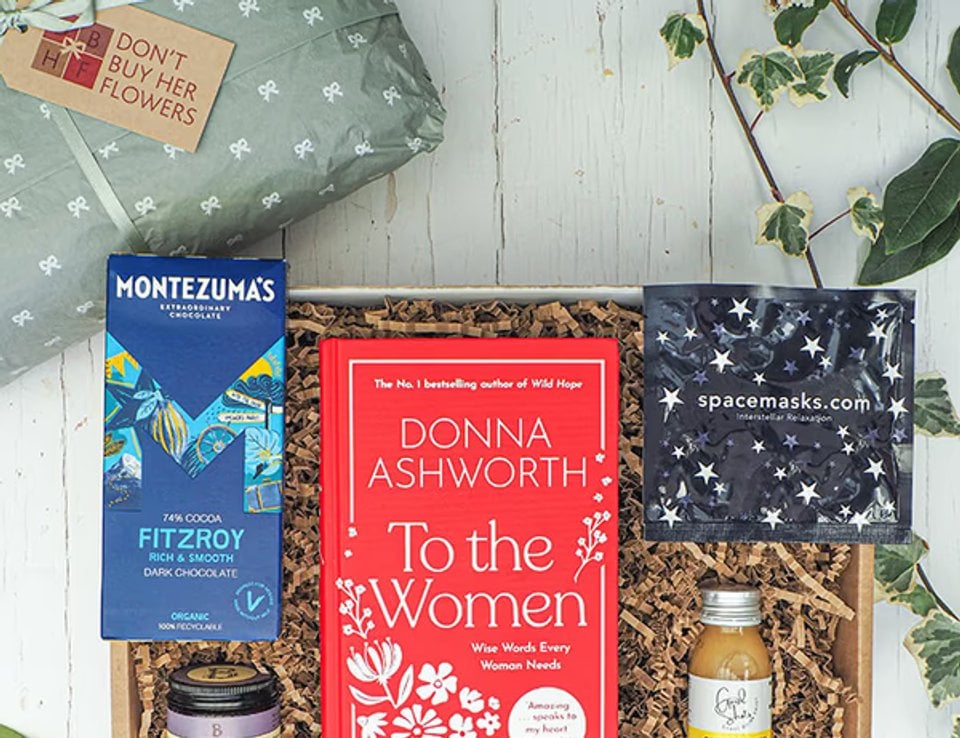
The store states that its range includes more than five hundred products from British brands, and that customers can choose from ready-made gifts or create a bespoke box. It also says packages are gift wrapped and include a personalised handwritten message. Those features do useful work: presentation and a note are handled together, which makes the gift feel considered even when the sender is not assembling every item. Presentation is built into the offer, according to the store.
- Ready-made boxes reduce the decisions required from the sender.
- Build-your-own formats allow better tailoring when you know the recipient’s preferences.
- Food and drink hampers make the range useful beyond bath, rest and self-care themes.
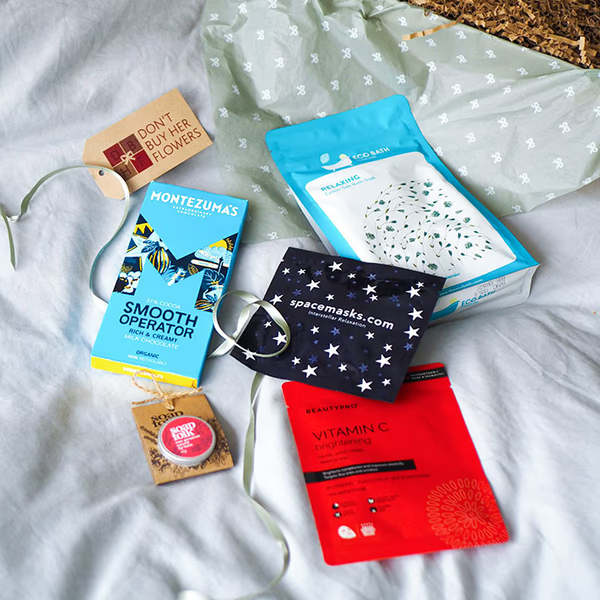
That range breadth is also a limitation. Choice still needs context. A broad catalogue is helpful for browsing, but it cannot tell a sender whether a particular person wants bath products, snacks or time-saving comforts. The brand’s emotional premise is most convincing when a gift is matched to a real circumstance, and less distinctive when the buyer selects a box only because it sounds thoughtful.
The TLC and Recovery boxes suit different moments
The TLC Gift Box is a ready-made choice for general care. The name signals a broad brief, making it easier to consider for someone who could use a small gesture but whose specific preferences are not known. The strength is convenience; the trade-off is that a preselected theme may not reflect what the recipient actually enjoys. Convenience is the main advantage. Review the current contents on the TLC Gift Box page before choosing.
The Recovery Gift Box has a more defined use case. Its positioning makes it easier to shortlist for someone dealing with a difficult or demanding period, where a care package feels more apt than a celebratory gift. But the word recovery covers many situations; the sender should consider whether the contents and tone suit this person’s circumstances, rather than assume the label does all the work. The product page for The Recovery Gift Box is the place to confirm its current selection. Readers can also review the Recovery package details alongside the occasion.
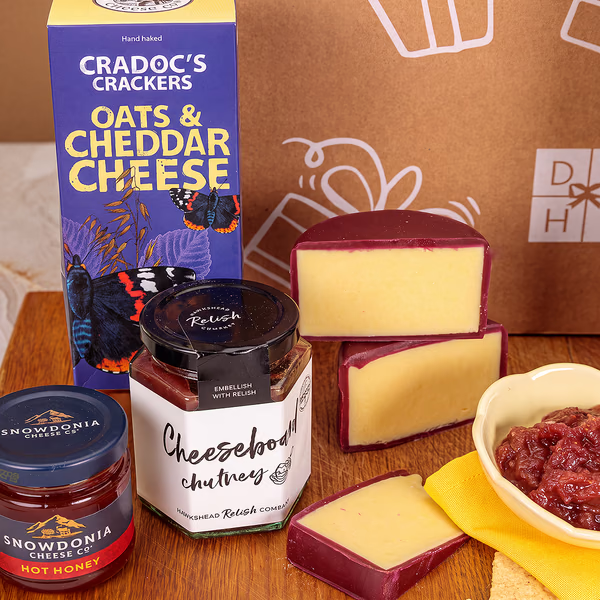
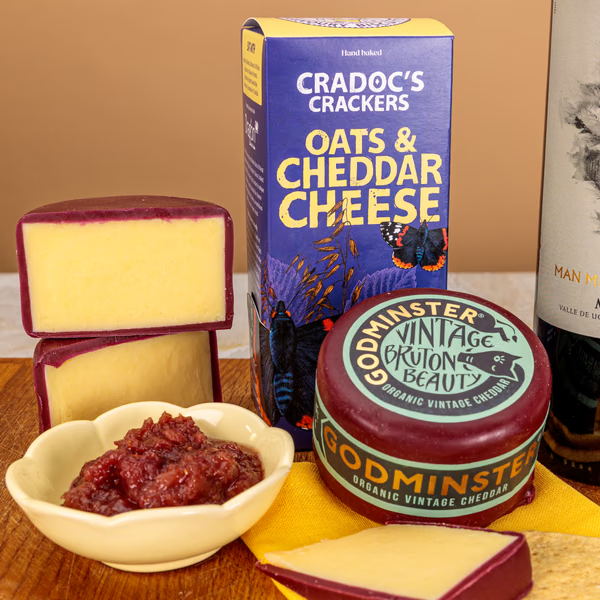
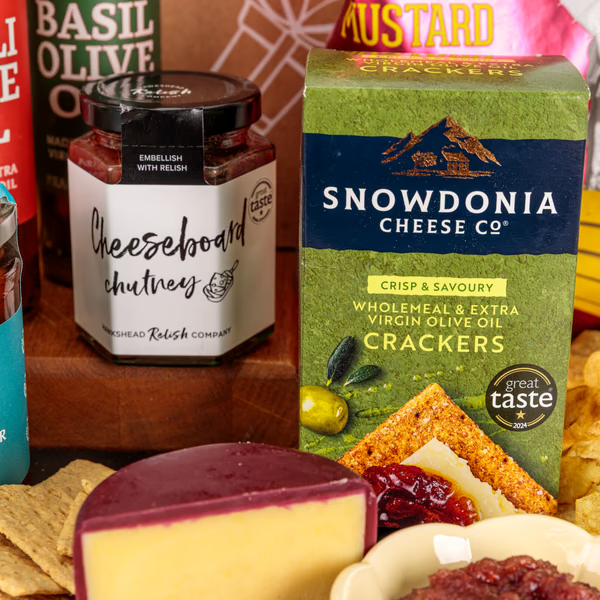
For someone who prefers consumables to skincare or bath items, the store’s food range can be a better direction. Its product pages include hampers built around British food and drink makers, with options such as cheese, crackers, chutney and a choice of drink. That is more concrete than a general comfort theme, although dietary needs and preferences matter more here. Check the ingredients and available selections carefully before sending food.
- Choose a ready-made box when the recipient’s interests are broad or uncertain.
- Choose a more specific theme when the occasion gives you a clear reason.
- Consider a food hamper only when you can account for dietary preferences.
Custom boxes add control and sender effort
Create a Relaxing Gift Box sits between a fixed package and a fully open-ended gift. The brand presents it as a build-your-own package, so the sender can shape the gift around a rest or relaxation theme. This makes it a stronger choice for someone who knows which kinds of treats the recipient likes. It is less convenient when time is short or the sender is unsure what would be welcome.
The custom route is not automatically more personal. More choice is not always better. More choice creates the opportunity to tailor, but it also transfers decisions to the buyer. The product pages should be checked for selectable items, add-ons and current availability; the store describes its assortment as extensive, but what can be selected may vary by box. A Relaxing Gift Box is most persuasive when you have a few reliable clues about the recipient, not simply when you want the largest menu. The custom relaxation option can then make those clues actionable.
- Start with the recipient’s preferences and the reason for the gift.
- Compare a ready-made box with the relevant build-your-own option.
- Check contents, personalisation and delivery details on the product page.
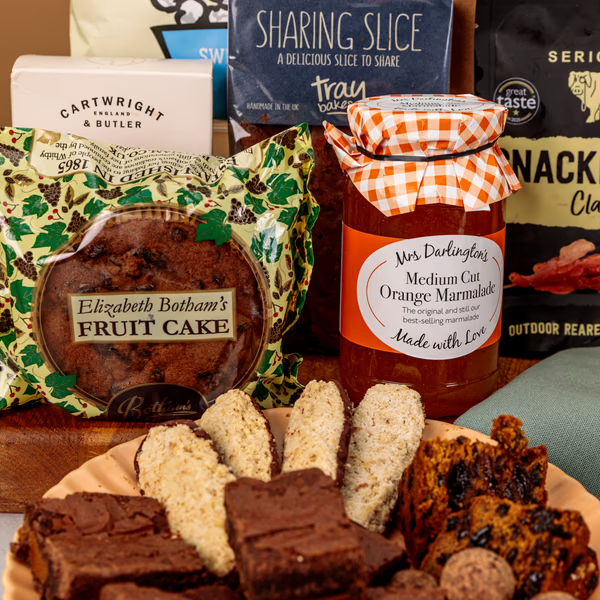
Delivery is part of the decision. The store lists several UK delivery choices, including standard, express and timed options, with different cut-offs and availability. These details can change and vary by destination, so we would treat them as a final check rather than assume a particular arrival day. Gift wrapping and a handwritten message are useful finishing touches, but neither compensates for a box that arrives after the moment it was meant to mark.
The strongest fit is thoughtful, occasion-led gifting
Don’t buy her flowers suits senders looking for a gift with a clear care angle and who value wrapped presentation and a handwritten note. The ready-made range is the easiest starting point for a general gesture; a defined box such as Recovery can make more sense when the occasion is clear. Food hampers widen the appeal for recipients who would rather receive something to share or eat.
It is a less obvious fit if the recipient has specific sensitivities, strict dietary needs or little interest in the products selected for the box. In those cases, a custom format may help only if the sender knows what to include. The catalogue’s size is an asset for choice, but it also means checking the actual contents matters more than relying on a product name or theme. Contents matter more than labels.
Before you decide
We recommend the brand for readers who want a ready-to-send care package with personal presentation, especially when a specific life moment makes the gift’s purpose clear. Its curated boxes make selection straightforward, while build-your-own choices give more control for senders who know the recipient well. Compare the current product contents, customisation and UK delivery details before choosing. Start with The TLC Gift Box for a general gesture, or The Recovery Gift Box when the moment calls for a more focused package.
The honest caveat is that a thoughtful theme cannot guarantee a personal match. Product contents and delivery availability need checking, and customisation only helps when you can make informed choices. For a recipient whose preferences are unknown, the simplest ready-made option is usually the more sensible place to begin.
Choose Don’t buy her flowers when a practical, well-presented care gift fits the moment and the recipient’s preferences.