
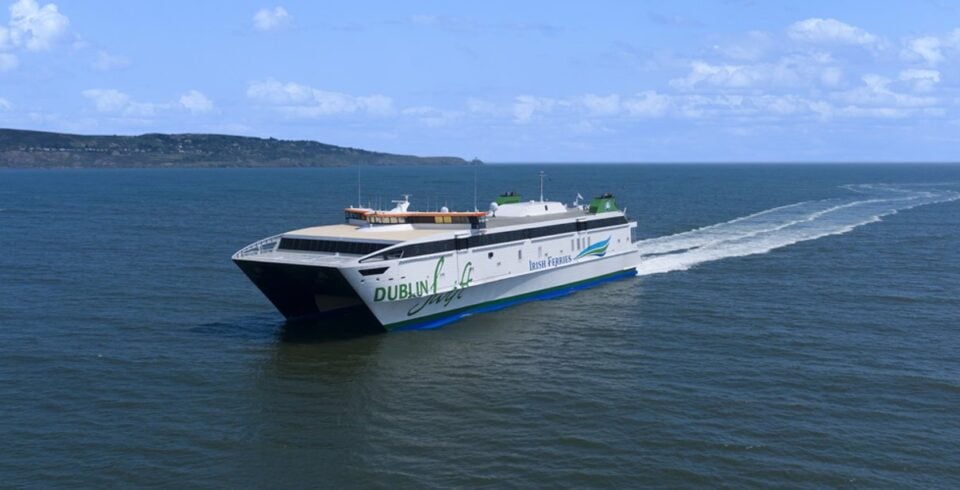
A practical introduction to Irish Ferries, from its Ireland-France route and named ships to the onboard details that shape the journey.
For a first-time reader, Irish Ferries can look like a straightforward way to get a car and passengers from Ireland to France. The more useful question is what sits behind that booking: what the brand prioritises, how its ships differ, and which details are worth considering before a sailing becomes part of a longer holiday.
The Ireland-France store brings those choices together through routes, travel information, holiday ideas and a fleet with distinct personalities. We are looking at the brand as a travel service, not presenting one sailing as right for everyone.
We may earn a commission when you buy through links on this page, at no extra cost to you.
Key facts: Irish Ferries is built around direct sea travel with vehicles, a choice of named ships and practical onboard services. W. B. Yeats is the clearest example of the full-service end of the range, while the wider fleet adds different combinations of comfort, capacity, family facilities and pet travel. Fares are shaped by route, date, passengers, vehicle, cabin and extras, so readers should check the current booking options.
Irish Ferries makes the crossing part of a self-directed holiday
The brand’s central idea is simple: keep the flexibility of taking your own vehicle while making the sea leg useful rather than purely functional. That matters for travellers carrying more luggage, travelling with children, bringing a pet or planning a French itinerary that is easier by road. The service connects with the wider Irish Ferries France travel information, including route guidance, destination ideas and holiday planning.
- Vehicle-friendly travel for road trips that continue beyond the port.
- Named ships with different mixes of lounges, dining and family spaces.
- Cabin and seating choices for travellers who want to rest during the crossing.
- Practical support around check-in, luggage, pets and booking management.
That range also explains why a single headline fare rarely tells the whole story. A basic sailing may be enough for a daytime crossing, while a cabin, Club Class access or a different ship can change the experience. The brand says selected facilities and restaurants may vary by ship or season, which is a useful reason to read the details attached to the specific sailing.
W. B. Yeats shows how the flagship-style experience is assembled
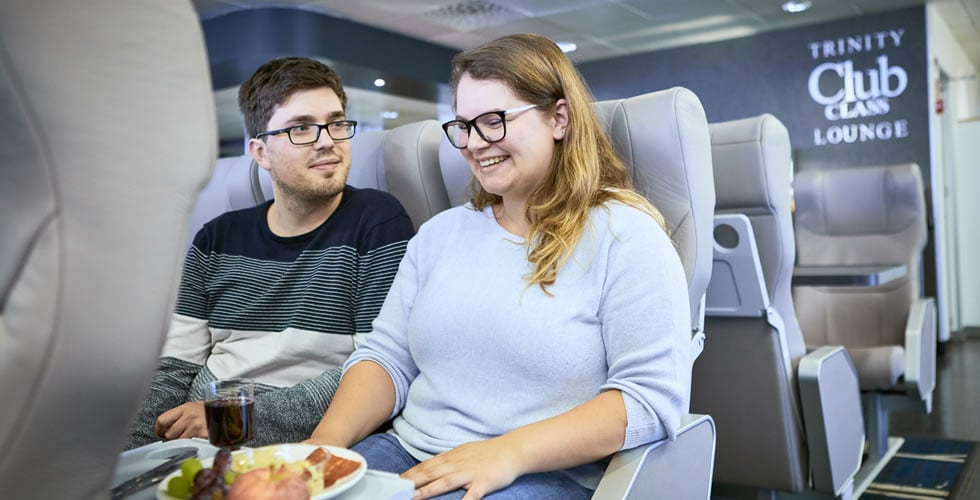
For readers trying to understand the brand’s fullest onboard proposition, W. B. Yeats is the most useful reference point. Irish Ferries lists The Maud Gonne Bar and Lounge, The Hazel Wood Quiet Lounge, the Innisfree Club Class Lounge and cinema spaces among its facilities. That makes the ship relevant to both overnight travellers and families who want several ways to divide up a long crossing.
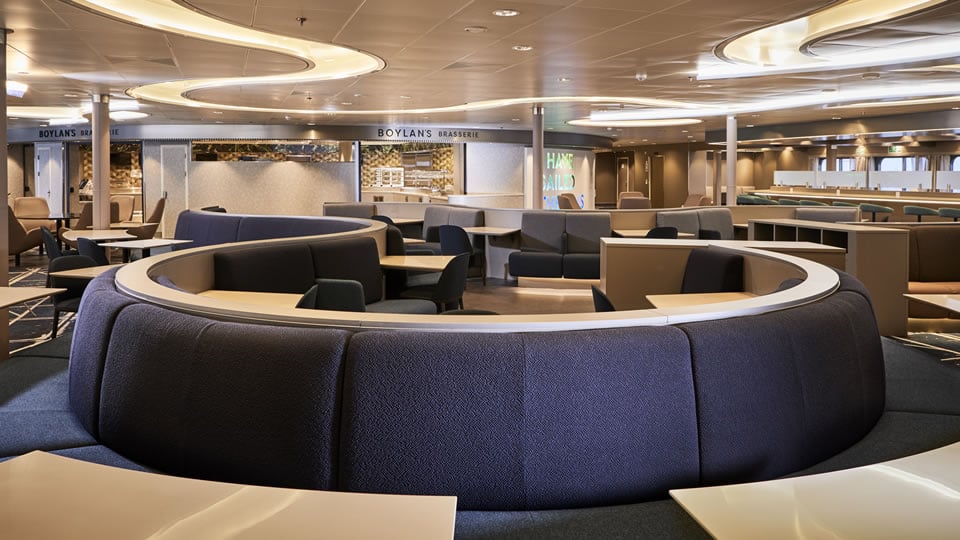
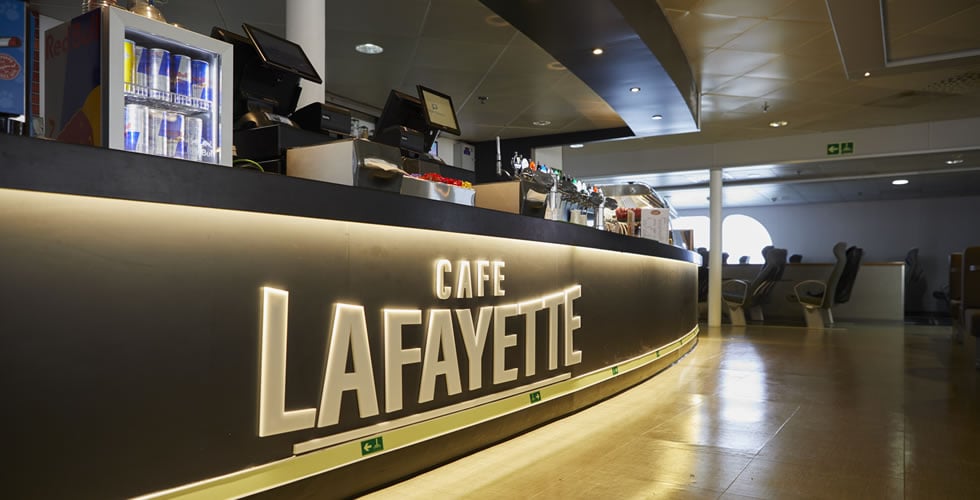
Dining is similarly layered. The ship lists Boylan’s Brasserie and Café Lafayette alongside the Lady Gregory restaurant, with the site noting that selected venues can close at certain times of year. In other words, the appeal is choice within the journey, not a promise that every venue will operate on every departure.
- Start with the route and sailing time rather than choosing a ship in isolation.
- Decide whether a reserved seat is enough or whether a cabin changes the value for your group.
- Check the listed facilities for the actual sailing, especially restaurants, cinema access and pet arrangements.
The strongest case for W. B. Yeats is therefore not luxury language. It is the practical ability to move between a meal, a quiet space, a family activity and a cabin. The limitation is that more choice can mean more decisions, and the cost of the booking rises as passengers add cabins, upgrades or other extras.
Ulysses and Isle of Inishmore widen the brand’s useful range
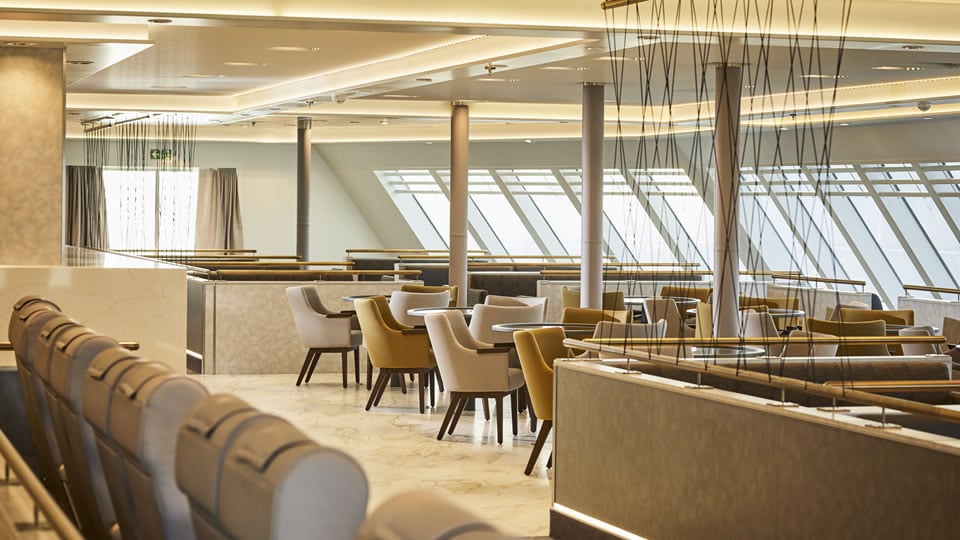
The wider fleet helps explain why Irish Ferries is more than one ship presented repeatedly. Ulysses gives the reader another large-ship reference, with the site highlighting Club Class, dining, cabins, a cinema, shopping and family-oriented facilities. It is a sensible page to read when the priority is a comfortable, self-contained crossing.
Isle of Inishmore shows a different side of the range. Irish Ferries describes spaces such as O’Flaherty’s, Café Lafayette, Club Class and a dedicated Pet Den. That combination is especially relevant to travellers who need pet-friendly planning or want practical spaces without assuming every route should be judged by the same ship.
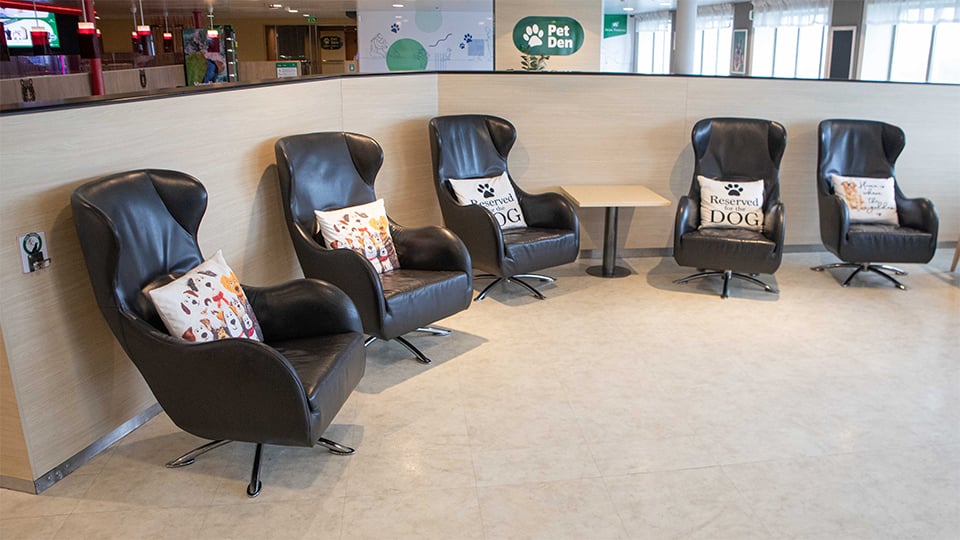
Across those pages, the useful takeaway is that the ship is one part of the decision. The route, the sailing time, the people travelling and the need for a cabin or pet space should lead. A quick fleet check can prevent a mismatch between the experience a reader expects and the facilities actually available.
- For families: look for children’s areas, cinema options and a cabin layout that fits the group.
- For couples: compare quiet lounges, dining and the value of a private cabin.
- For pet owners: read the current pet rules and check the ship-specific facilities.
- For road-trippers: weigh the sailing timetable against the driving plan after arrival.
Irish Ferries earns attention through useful details, not just the route map
The brand’s story is ultimately visible in the details it chooses to put beside the booking engine. There are pages for routes and times, sailing updates, fare terms and pet travel guidance. That gives first-time customers a way to plan around real constraints before they commit.
We would still keep expectations measured. A ferry is affected by weather, port procedures, seasonal opening hours and the practical limits of the chosen fare. Facilities such as Wi-Fi, dining, lounges and cabins are meaningful when they match the traveller’s need, but they should not replace checking the booking terms and current sailing information.
A first-time reader should care because Irish Ferries gives them more control over the shape of the journey. The right choice may be a direct route with a simple seat, a cabin-led overnight plan, a family-friendly ship or an arrangement that accounts for a pet. The brand is strongest when its range is used to solve a specific travel problem.
Before you decide
Our recommendation is to begin with the trip you are actually planning, then use the Irish Ferries store to compare the route, sailing time, ship, cabin and extras that support it. W. B. Yeats is the clearest introduction to the brand’s full onboard range, while Ulysses and Isle of Inishmore show why the wider fleet deserves a closer look.
The honest limitation is that no ship page can guarantee the same experience on every departure. Seasonal facilities, availability, fare conditions and the needs of your group all matter, so the current booking details should have the final word.
Irish Ferries is worth considering when you want the crossing, the vehicle and the onboard plan to work together.