
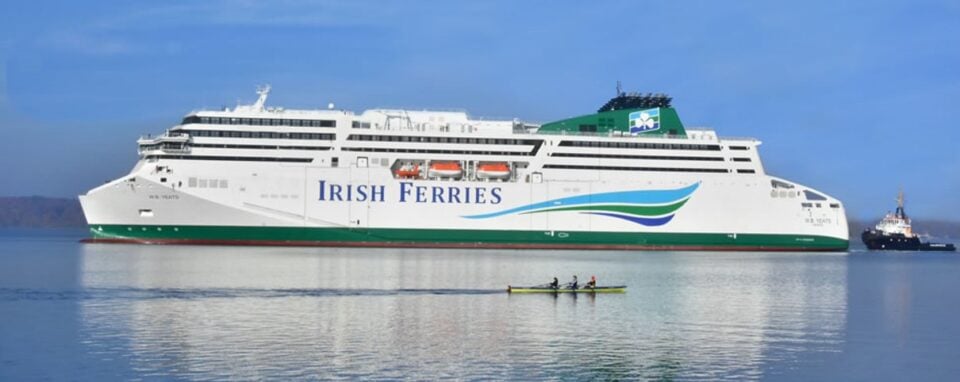
A research-led look at Irish Ferries’ France service, ship choices and cabin upgrades, with a clear recommendation for different kinds of travellers.
Choosing a ferry to France is partly a route decision and partly a comfort decision. The fare is only one part of the picture: the ship, cabin, sailing time, vehicle plans and onboard routine can all change how the crossing feels.
We reviewed the Ireland-France information on the regional Irish Ferries store, then followed its named ship and travel pages to see what the service actually offers. The result is a useful proposition for some travellers, but not a universal reason to book every sailing.
We may earn a commission when you buy through links on this page, at no extra cost to you.
Key facts: Irish Ferries combines a regional route to France with a broad onboard offer, including dining, lounges, cabins, family facilities and travel planning information. Its strongest case is for people who want to take their car and make the crossing part of the trip; the main limitation is that ship assignment, availability and the final cost depend on the selected sailing and extras.
Irish Ferries makes the crossing part of the holiday
The regional Travel to France store is more than a basic booking form. It brings together routes and times, sailing updates, France holiday ideas, special offers and the practical information needed before departure. That breadth is a real strength for readers who are still shaping the trip rather than simply buying a transport ticket.
The service also makes sense for travellers who want to keep their own car for the French leg. A car gives more freedom after arrival, but it also means that the total booking depends on vehicle size, passengers, cabin choice and sailing availability. Irish Ferries does not present one permanent price for every journey, so we would compare the exact itinerary through the current booking page before treating any headline fare as meaningful.
- Route choice: start with the Ireland-France sailing that matches the destination and timing.
- Onboard time: decide whether a reserved seat, cabin or lounge access would improve the crossing.
- Holiday planning: use the regional France pages for destinations, breaks and practical ideas.
The trade-off is choice overload. A reader looking only for the cheapest available crossing may have to work through more detail than expected. That is useful detail, but it makes a direct comparison of the selected sailing more important than a quick glance at the landing page.
W. B. Yeats offers the clearest comfort case
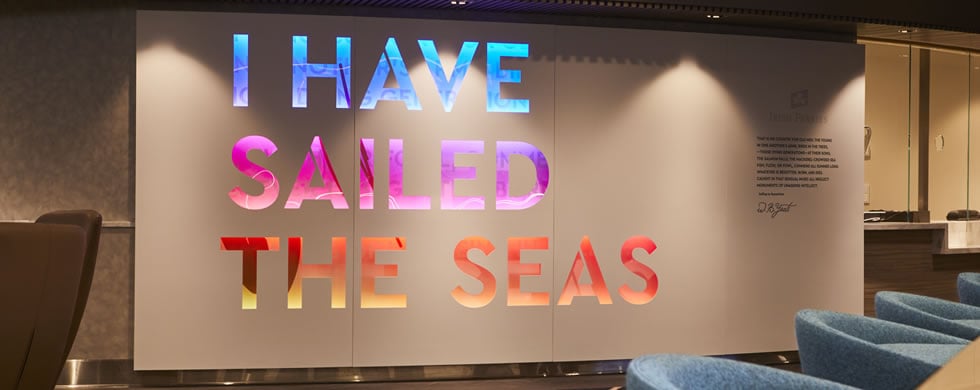
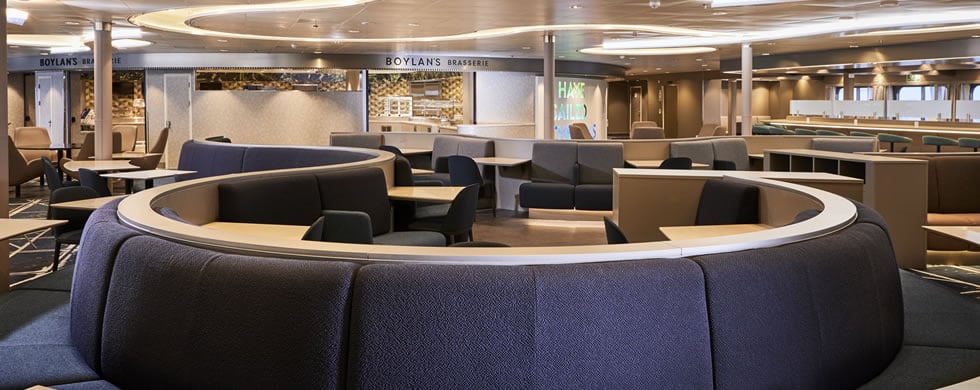
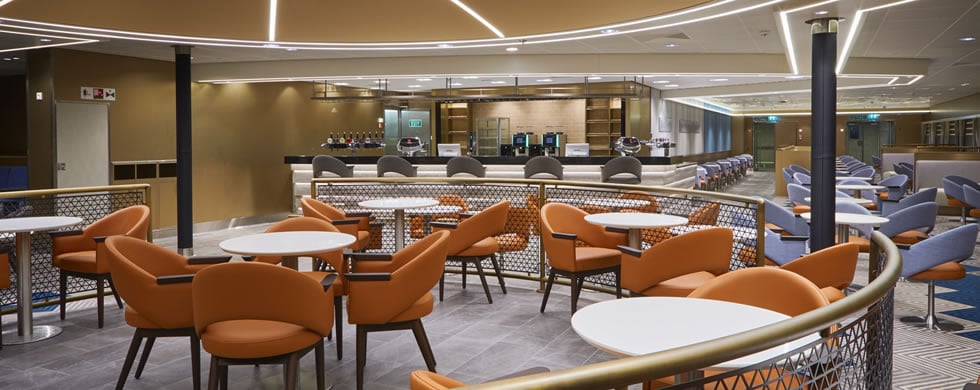
Among the ship pages we reviewed, the W. B. Yeats gives the most complete picture of what an upgraded crossing can involve. The page lists the Maud Gonne Bar and Lounge, the Innisfree Club Class Lounge, the Hazel Wood Quiet Lounge, cinemas, a promenade deck and a choice of cabins. It also names Boylan’s Brasserie, Café Lafayette and the Lady Gregory restaurant.
That mix matters because it gives different passengers somewhere to go during the crossing. Families can use the Salley Gardens kids room and cinema facilities, while couples or solo travellers may value the quiet lounge, sea views or a proper meal. The brand also states that Club Class includes lounge access with refreshments, snacks, Wi-Fi and panoramic views, subject to the relevant booking terms.
- For families: look at the kids room, cinema and cabin layouts before choosing the fare.
- For longer crossings: a cabin or lounge may matter more than a small fare difference.
- For food-led travellers: compare the listed dining venues with the sailing’s seasonal availability.

The limit is that a named facility is not a guarantee that every venue will operate on every sailing. The W. B. Yeats page itself notes seasonal or operational variation for some restaurants and bars. We would therefore treat the ship page as a guide to the available format, then check the booking details and current sailing information.
Ulysses and James Joyce widen the fleet choice
The Ulysses and James Joyce pages show that Irish Ferries is not built around one single onboard experience. The fleet includes ships with different layouts, passenger areas and facilities, so the most suitable option depends on the route and the sailing assigned to it.
Ulysses is a useful reference for readers who want a substantial ship with several spaces to move around, while James Joyce represents another named option in the wider fleet. The regional site also lists the Dublin Swift, Oscar Wilde and other ships, but the presence of a ship page should not be read as a promise that you can freely select that vessel for every France departure.
That distinction is one of the most important findings in this review. A ship name can help a traveller understand the level of facilities on offer, but the booking journey is still the authority for the actual sailing. Use the Ulysses information and James Joyce information as context, not as a substitute for checking the route.
For a first-time customer, this is both a strength and a mild frustration. The range supports different travel styles, but it also makes it harder to form a universal verdict about comfort. The right judgement is route-specific: check the assigned ship, cabin category, included facilities and amendment conditions together.
Cabins and extras change the value calculation
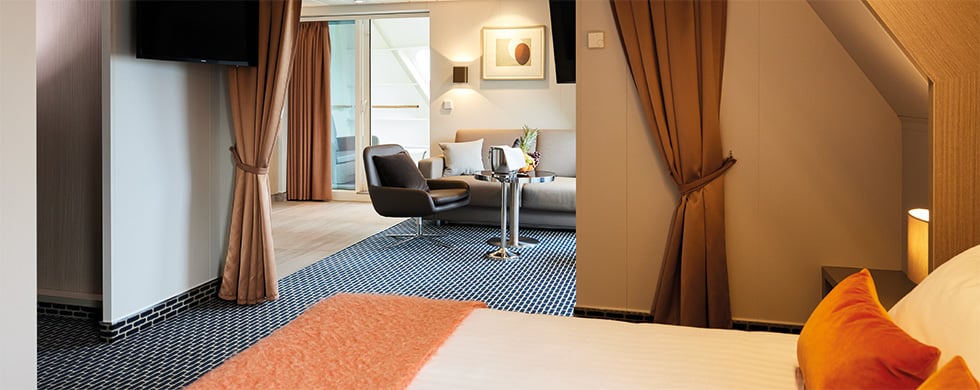
Irish Ferries offers reserved seating, cabins and higher-comfort options rather than treating every passenger as if they want the same crossing. On the W. B. Yeats page, the cabin range includes inside and window rooms, family configurations, accessible cabins, Club options and suites. The page also describes details such as air conditioning, ensuite facilities, televisions and, for some higher categories, lounge access or in-cabin extras.
For families, the key question is sleeping capacity and how the room handles children. For passengers with mobility requirements, the accessible cabin information is more useful than a generic comfort claim because it identifies adapted facilities and proximity to lifts. For couples, a suite may be attractive if the crossing time and privacy matter more than keeping the booking simple.
- Check the exact cabin layout, not only the category name.
- Confirm which lounge, meal or Wi-Fi benefits are included in that fare.
- Review accessibility details and contact the operator if the published information does not answer a specific need.
- Compare the whole booking after adding vehicle, cabin and optional extras.
The honest limitation is price complexity. Irish Ferries can be good value when the sailing, car access and onboard comfort all match the trip, but a cabin or upgrade changes the calculation quickly. We would send readers to check the current booking total rather than use an old amount as a benchmark.
The service suits planned road trips best
Irish Ferries is most convincing for readers who want to carry a car, need more control over the French itinerary or value turning travel time into a slower start to the holiday. It is also a reasonable fit for families who can make use of the onboard facilities, and for passengers who are willing to compare cabins or lounge access against the length of the crossing.
It is less compelling for someone who wants the simplest possible transport purchase, has no use for a vehicle in France or is choosing solely on the lowest displayed fare. In those cases, the service’s extra options may add decisions without adding much value. The store’s special-offer, holiday and route pages are helpful, but they should not replace a clear check of the exact sailing terms.
Before booking, we would check four things: the assigned route and ship, the vehicle details, the cabin or seat choice and the current amendment and check-in information. The regional booking route is the right place to confirm those details. If you are comparing comfort levels, revisit the W. B. Yeats page, the Ulysses page and the James Joyce page after selecting a sailing.
Before you decide
Our recommendation is positive for planned Ireland-France road trips, families and travellers who value space, cabins and onboard choice. Irish Ferries has real strengths in its named ship facilities, regional travel information and range of comfort options, especially when the W. B. Yeats-style experience matches the itinerary.
The limitation is that the brand cannot make every sailing identical. Ship assignment, availability, seasonal facilities and extras affect the outcome, so readers should judge the exact booking rather than rely on a general reputation.
Irish Ferries is worth considering when you want the crossing, car and onboard comfort to work as one planned trip.