
A pest problem rarely starts with a dramatic invasion. More often, it begins as a few ants near the back door, a suspicious lawn patch, or a mouse trail you notice too late. A practical plan makes treatment calmer and more precise. This guide shows you how to inspect the problem, choose the right tool, apply it safely, and check your results. DIY Pest Control is a natural place to build that plan because its catalog combines professional-grade products, application equipment, and helpful guidance for residential use.
We may earn a commission when you buy through links on this page, at no extra cost to you.
Your inspection locates the pest activity
Start with a ten-minute walkthrough inside and outside. Look for droppings, shed skins, live insects, gnaw marks, entry gaps, moisture, and plants touching the house. Note the exact location and time of activity. A quick record prevents the common mistake of spraying every surface without knowing what you are targeting. If rodents are the concern, a trail camera such as the Tactacam Reveal X 3.0 Cellular Trail Cam can help you see when and where movement happens.
- Check door sweeps, pipe openings, vents, and foundation cracks.
- Inspect mulch, firewood, standing water, and dense vegetation outdoors.
- Photograph evidence so you can compare activity after treatment.
Choose the smallest treatment area that matches the evidence. Targeted treatment is the key first decision. For product research, DIY Pest Control’s pest control categories make it easier to compare insecticides, baits, traps, and equipment by use case.
Bifen L/P Granules target outdoor crawling insects
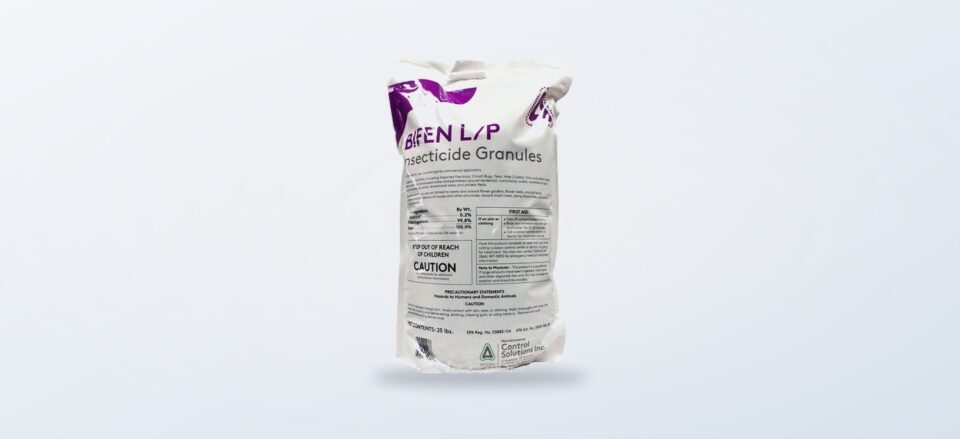
For a broad outdoor perimeter or lawn-edge treatment, consider Bifen L/P Granules. The granule format is practical for treating soil and turf where crawling insects are active. Apply only where the label permits, and keep people and pets away for the required interval.
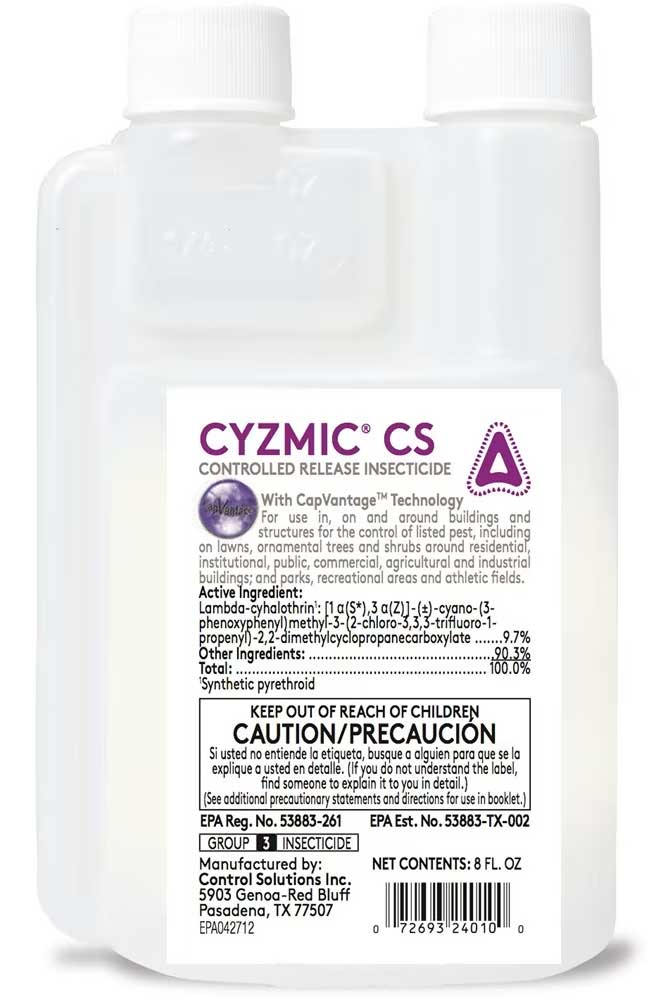
For a liquid concentrate you can mix and apply to approved surfaces, Cyzmic CS Insecticide is a useful option to investigate. It uses a microencapsulated formulation. The right choice depends on the pest, surface, application method, and label directions, so read the product page and label before mixing. See the current Cyzmic CS price if the job calls for a liquid treatment.
- Identify the pest and treatment site.
- Read the label for dilution, protective gear, and re-entry rules.
- Measure carefully and mix only what you need.
- Store unused product securely and clean equipment as directed.
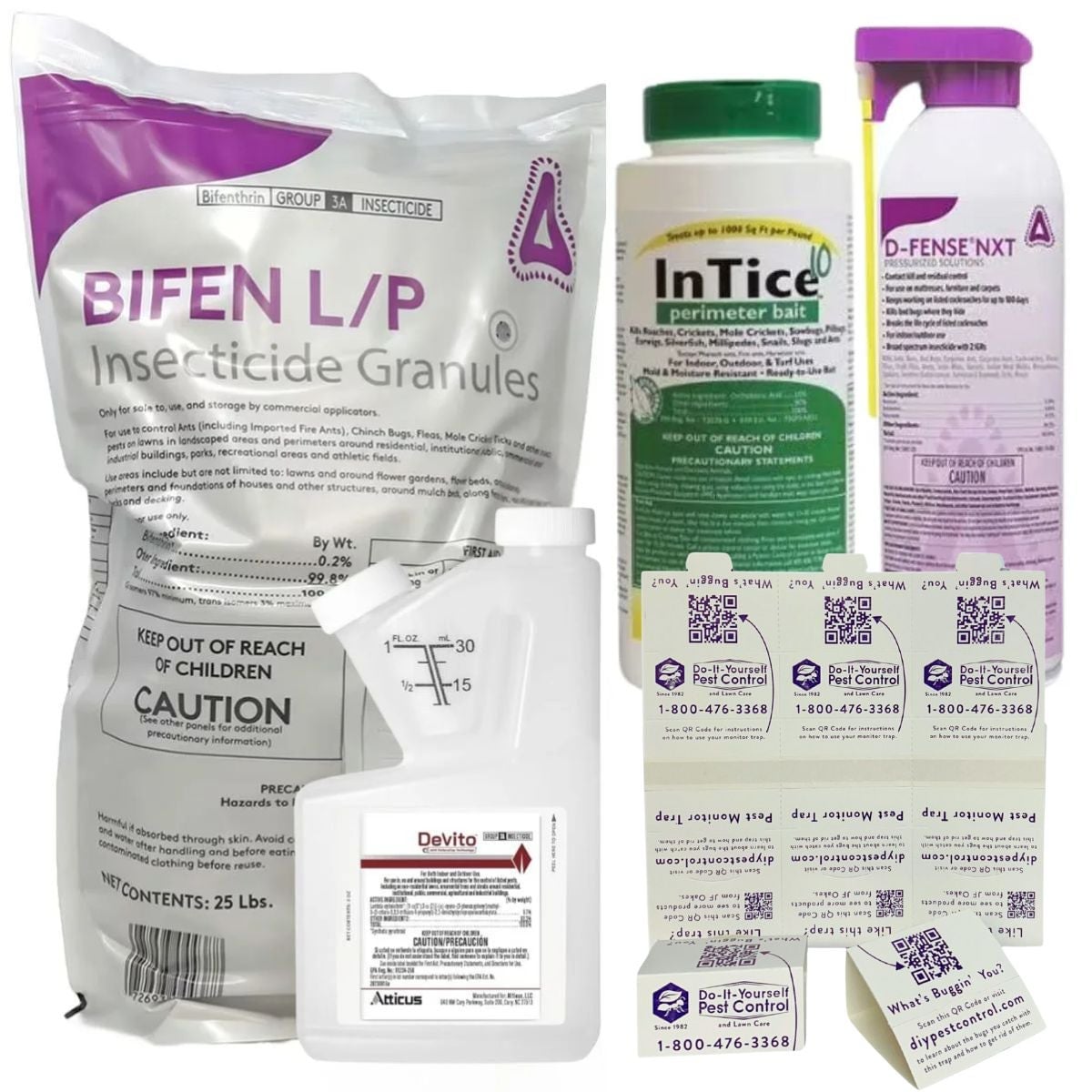
If you want a starting bundle rather than separate decisions, the General Pest Control House Kit is designed as a home-focused kit, which can simplify the first shopping trip while you learn which pests are actually present. Compare the house kit contents with your inspection notes before adding anything else.
Your application follows the product label
Before application, clear toys, dishes, pet bowls, and unnecessary people from the area. Wear the protective equipment required by the label. Work from the least exposed area toward the exit, and avoid treating drains, food surfaces, flowering plants, or water unless the label specifically allows it. A measured routine is safer and usually produces a clearer result than adding more product.
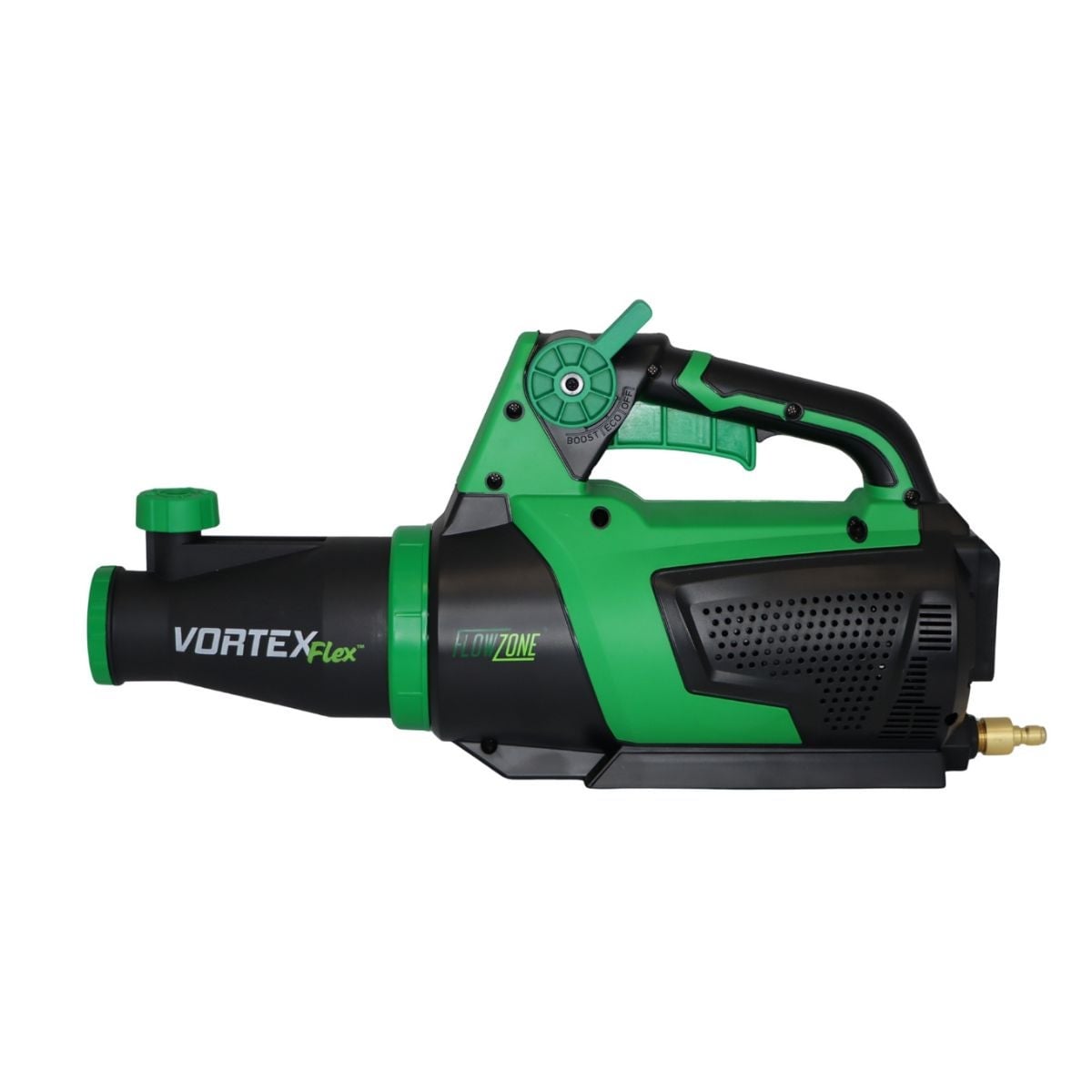
For larger outdoor jobs, equipment such as the FlowZone Vortex Flex Handheld Battery Mist Blower may help distribute an approved product, though the tool does not replace label instructions. For a backpack format, FlowZone Storm SwapTank Backpack Sprayer is another option. Choose based on area size, comfort, and the product’s approved application method.
Follow-up checks show whether treatment worked
Do not judge a treatment by the next morning alone. Recheck the original evidence after the label’s recommended interval. Vacuum crumbs, repair gaps, move attractants, and correct moisture problems at the same time. For recurring activity, write down the date, product, location, and result. That record tells you whether you need a second labeled application or a different approach.
- Day 1: remove food, water, clutter, and access points.
- Week 1: inspect the original hotspots and note fresh evidence.
- Week 2: compare activity and follow the label for any repeat treatment.
- Monthly: refresh exterior inspections before problems spread.
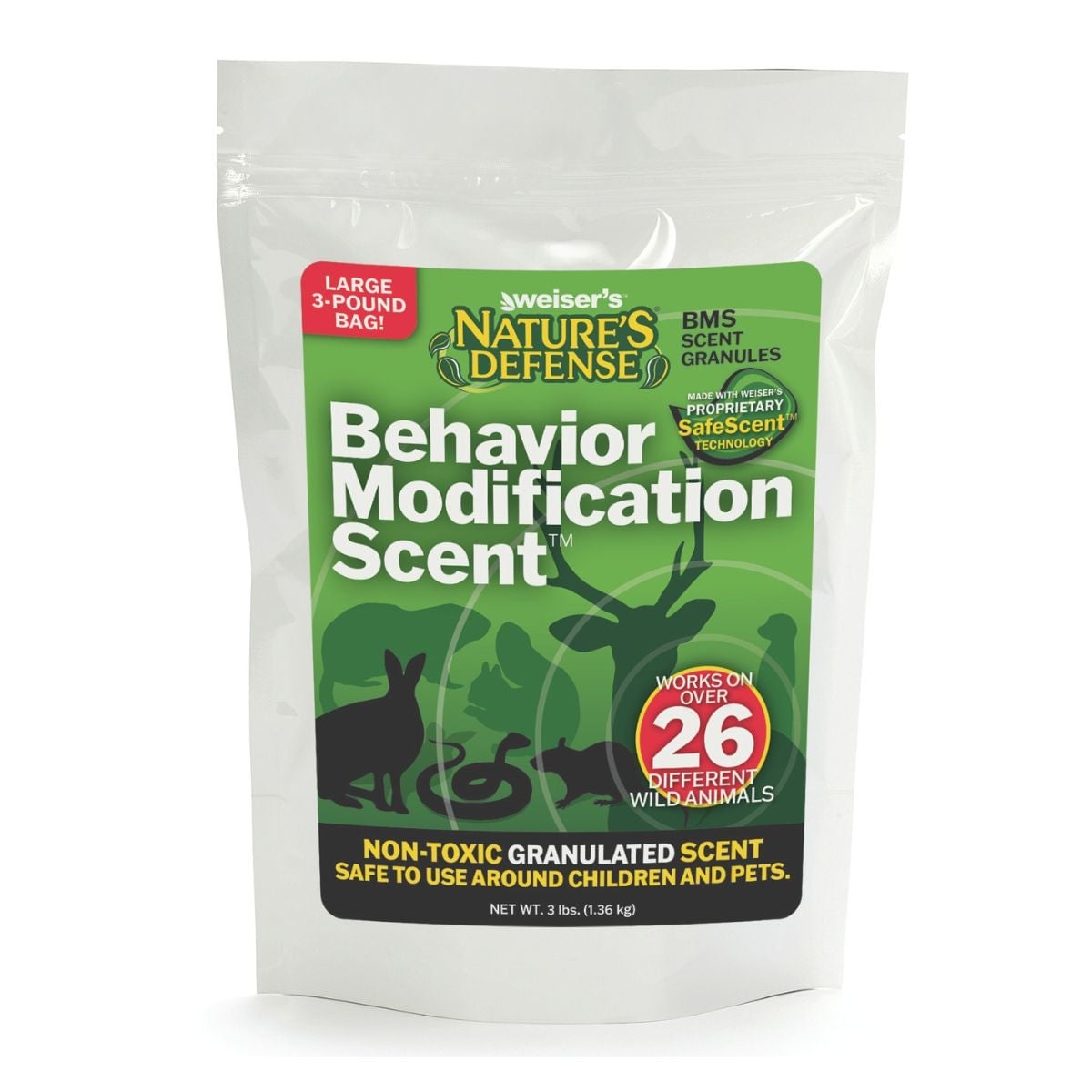
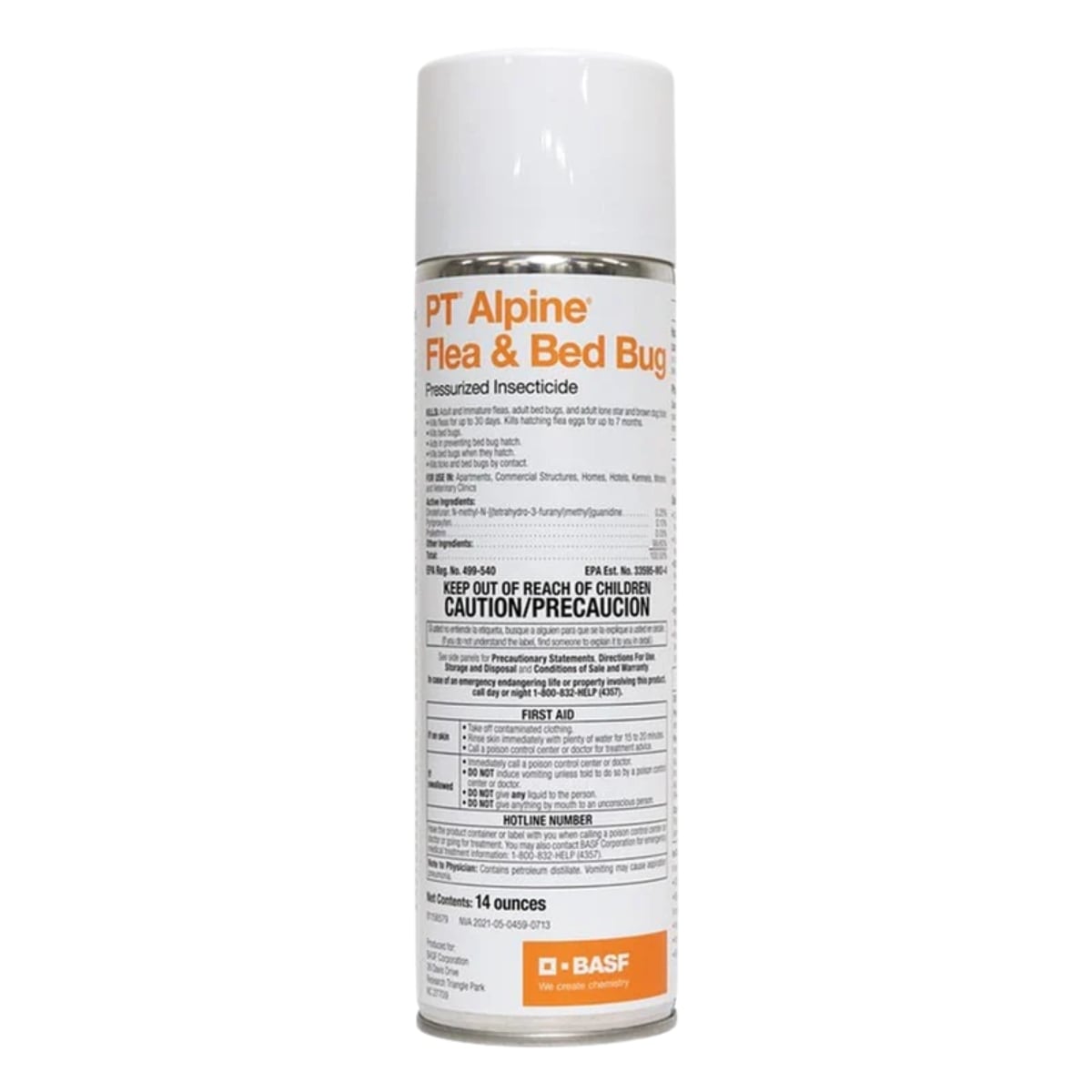
For prevention-focused options, review Natures Defense Behavior Modification Scent Granules and PT Alpine Flea Insecticide IGR for flea-related treatment research. These products serve different jobs, so use the one whose label matches your situation. Browse more pest-specific solutions when your inspection reveals a different target.
Your shopping list covers the treatment essentials
Before placing an order, check that you have the right active ingredient or formulation, the correct amount for the area, and the equipment needed to apply it. DIY Pest Control highlights fast and free shipping from Georgia and Arizona, plus knowledgeable staff and more than 30 years in business. Those practical details matter when you are assembling a seasonal plan and need the correct supplies together.
- Confirm the product is legal and labeled for your state and target site.
- Price the treatment, protective gear, and application equipment together.
- Keep product pages and labels available for future reference.
Once your plan is working, keep it simple: inspect regularly, remove attractants, seal access points, and treat only where evidence supports it. Review the full DIY Pest Control range when the season changes or a new pest appears.
A focused inspection, label-led application, and steady follow-up make DIY Pest Control easier to manage than guesswork.