

A planning system is most useful when it fits the way your days actually unfold. If your appointments live in one app, ideas sit on scraps of paper and household jobs arrive as surprises, the answer is not necessarily a stricter routine. It is a clearer place to see what matters. stephpaseplanners makes that reset feel approachable with planners, notebooks and small organising pieces designed for real work, home and life admin.
This guide shows you how to choose a planner without buying pages you will never use, then build a simple weekly habit around it. I found the range especially practical because it combines detailed layouts with tactile extras, including stickers, storage pockets and ribbon bookmarks. Start by deciding what you need to remember, not what a perfect planner personality might look like.
Step 1: Audit the mess before choosing a format
Take ten minutes and collect the loose ends that regularly compete for your attention. The goal is to spot your planning pattern. A busy professional may need appointments beside action lists, while a parent may need a shared visual overview. Someone rebuilding a routine may benefit from generous notes space rather than a tightly timed page.
- Time pressure: do you need hourly appointments, broad daily sections or only a weekly overview?
- Memory load: are errands, household tasks and reminders the things most likely to disappear?
- Review habit: will monthly goals, quarterly resets or habit tracking genuinely help you?
- Portability: will the planner live on a desk, travel in a tote or stay visible on a wall?
Write down your top two needs. This keeps the purchase grounded. The best choice is the one you can open quickly on a crowded morning, and the right amount of structure is more useful than a beautiful system that feels like homework.
Step 2: Match the layout to your real week
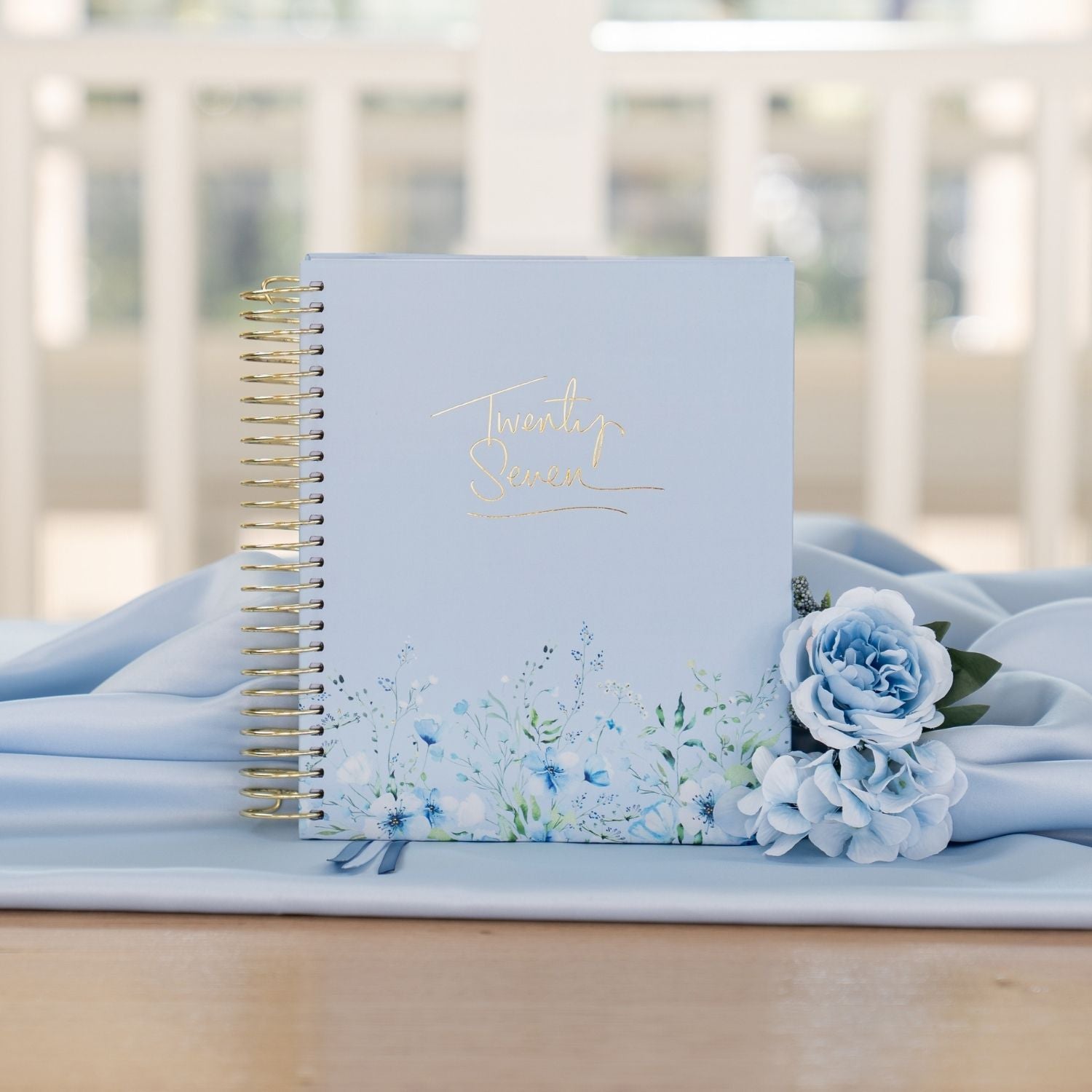
For a balanced starting point, I would first compare the 2027 Signature Weekly Planner – Bluebelle. At 79.95 AUD, it is a strong fit for someone who wants a weekly rhythm with enough space to see the bigger picture. Use it when your commitments vary across the week but you still want a consistent place for priorities, notes and forward planning. Check the live planner collection for current availability and colour options.
- Put fixed appointments and deadlines in first.
- Choose the three tasks that would make the day feel successful.
- Assign smaller jobs around those anchors instead of filling every gap.
- Leave one visible line for a reminder or idea that appears midweek.
That short sequence prevents your planner becoming a decorative record of everything you hoped to do. The Bluebelle format is also a sensible match for people who enjoy a little visual polish. If your work has separate projects, however, a business layout may serve you better than squeezing everything into a general weekly spread.
Step 3: Choose a specialist planner when your life needs it
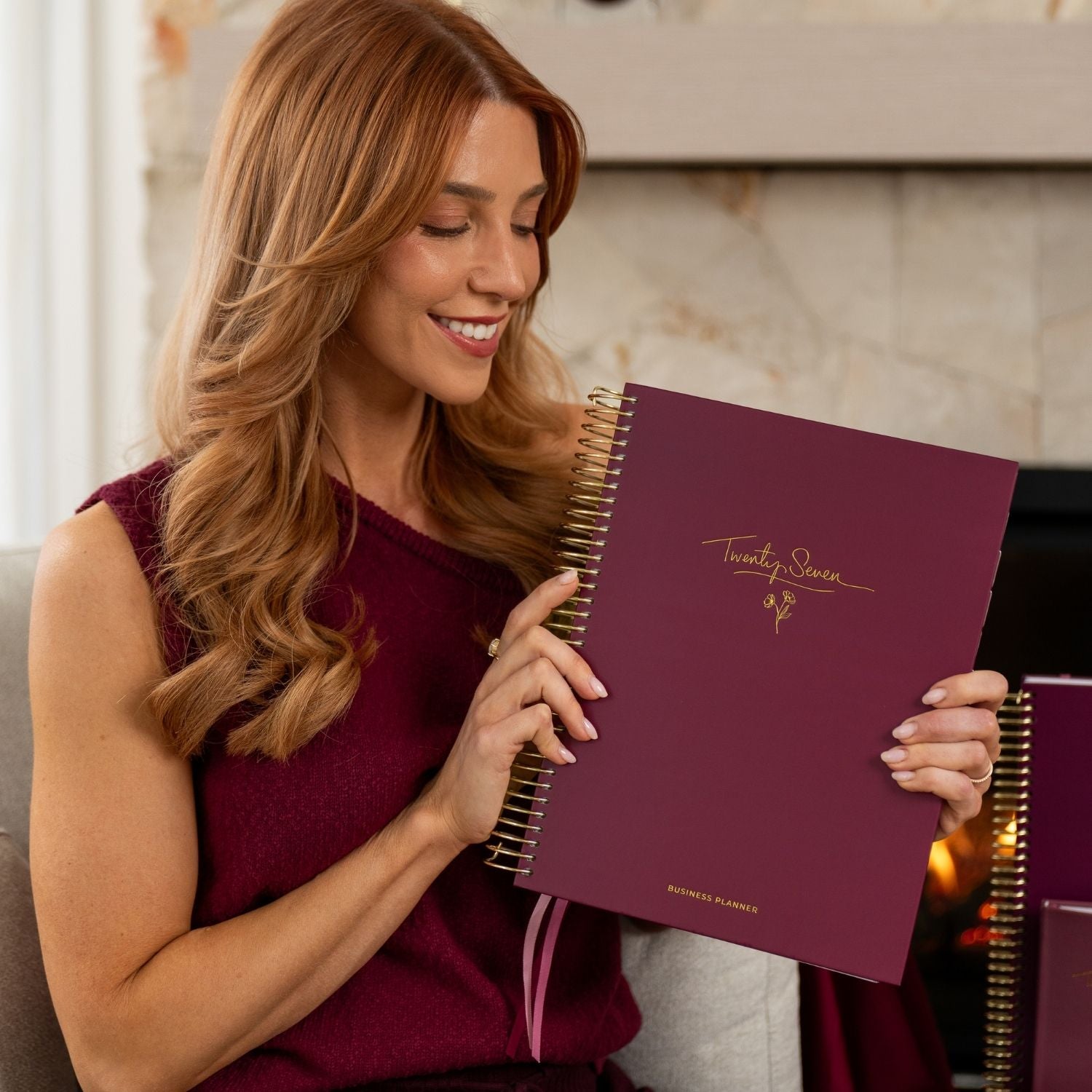
The 2027 Business Planner – Berry costs 94.95 AUD and makes more sense when your week is driven by projects, meetings and follow-ups. It gives professional commitments a dedicated home, which can be easier than forcing work and personal notes into one undifferentiated list. Before ordering, open the current business planner details and confirm the page layout suits your workflow.
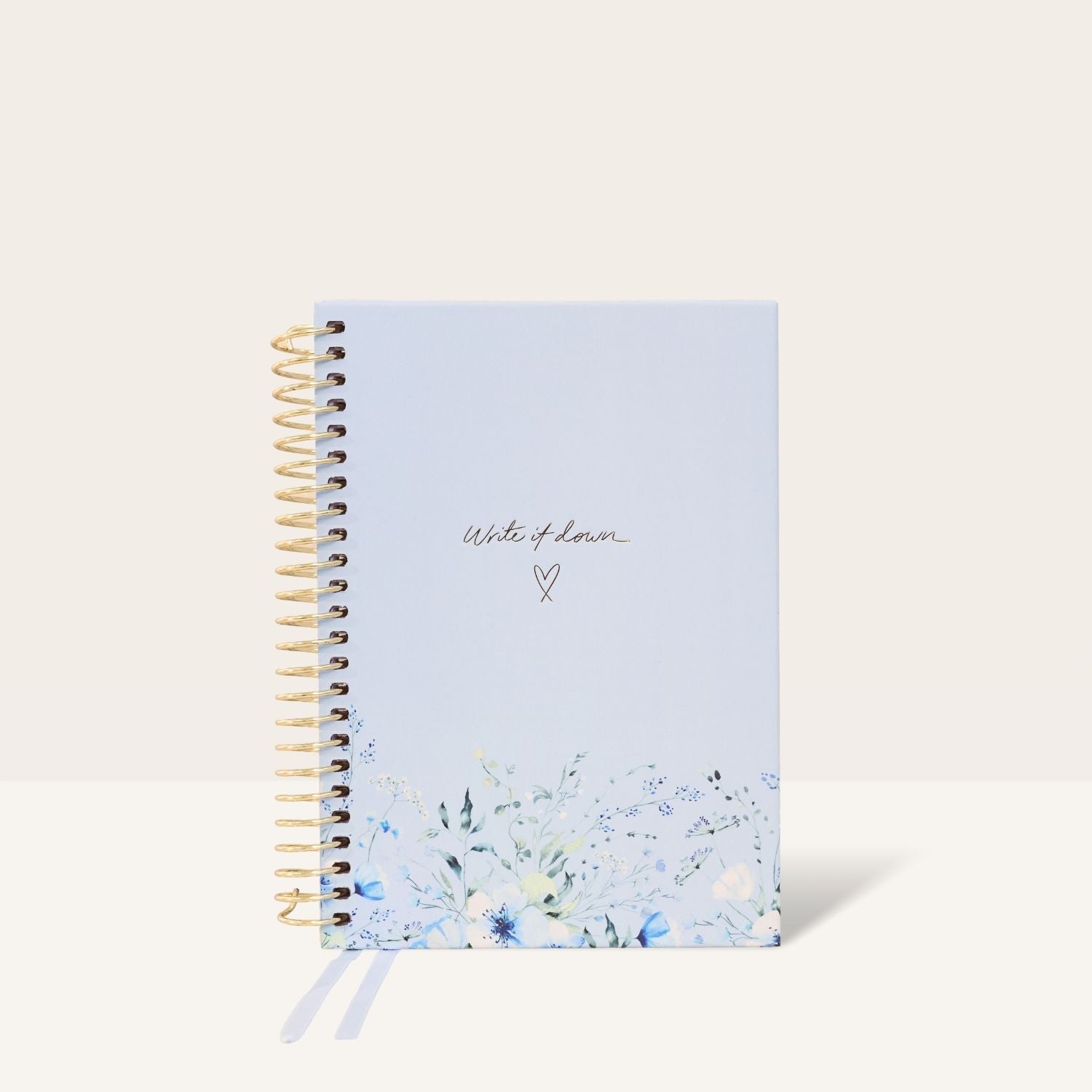
Do not overlook the smaller tools that support the main system. The Write it down A5 Notebook – Bluebelle is listed at 19.95 AUD and gives you a flexible place for meeting notes, ideas or a brain dump. It has a lined format, 160 pages, a gold spiral and two ribbon bookmarks. Browse the notebooks and notes range if you need a companion rather than another calendar.
Step 4: Build a portable planning station
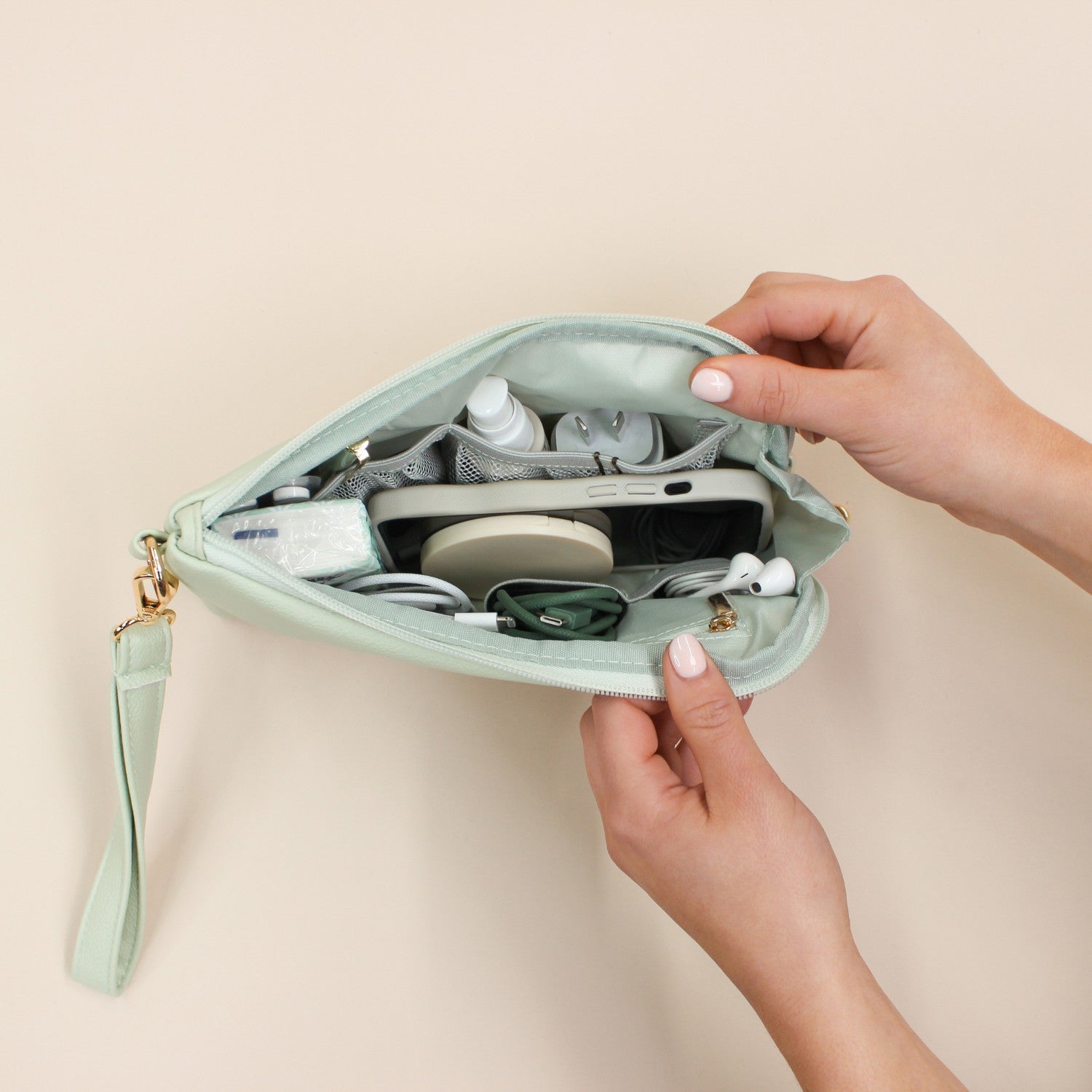
Once the planner is chosen, make it easy to use away from your desk. Keep one pen, one note-capture tool and the items you reach for most often together. The Tech & Life Organiser Pouch – Sage is 36.95 AUD and is designed for cables, chargers, headphones, stationery or cosmetics. Its vegan leather exterior, mesh pockets, elastic straps and three removable Velcro loops give small essentials a defined home. See the organisers and accessories page before you decide whether its 240 x 150 x 30mm size suits your bag.
- Keep your everyday pen and notebook in the same pouch.
- Use one loop for a charging cable and one for headphones.
- Reserve the internal zip pocket for small items you would otherwise lose.
- Reset the pouch every Friday so the next week begins lightly.
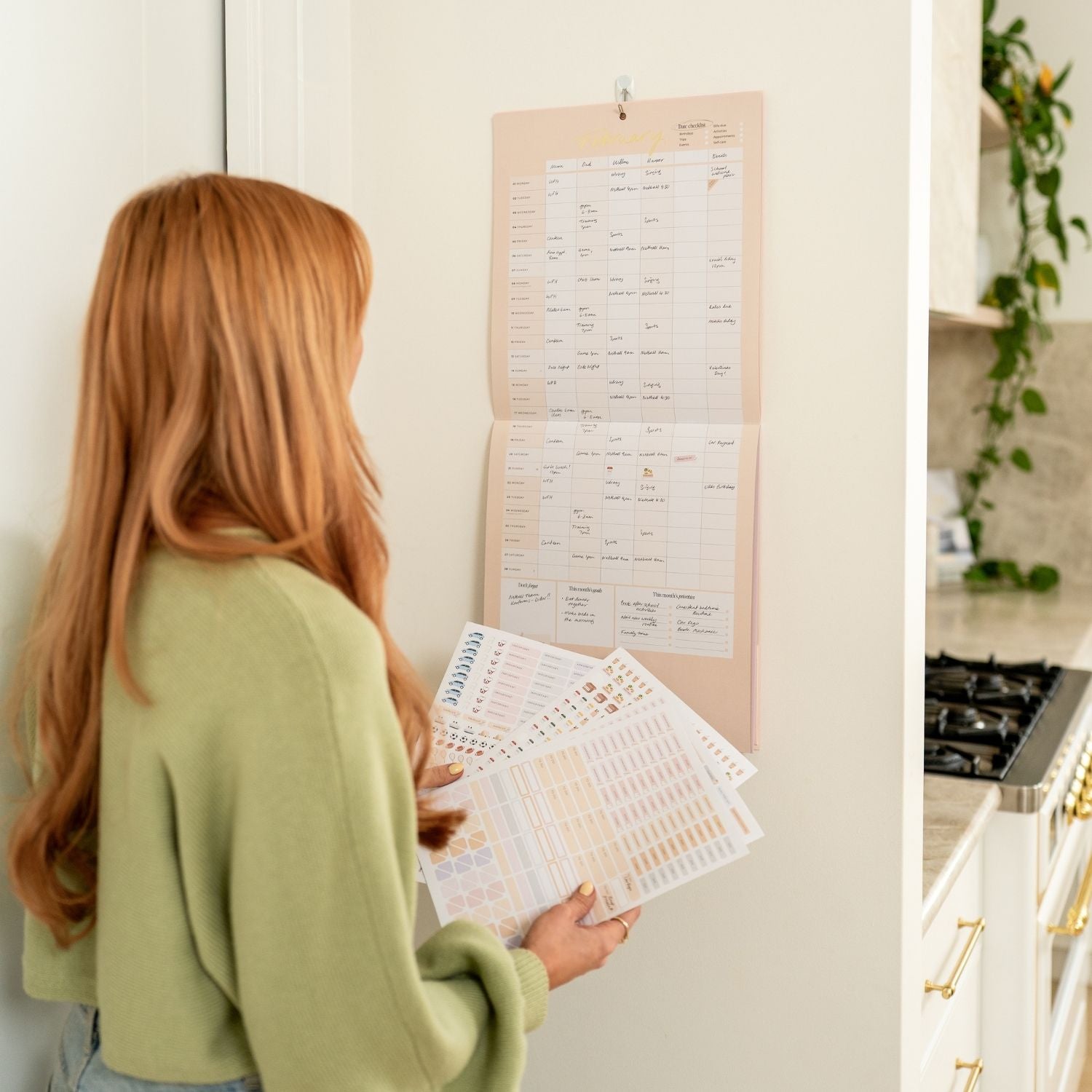
This is where stephpaseplanners feels most natural as a recommendation. It is not only selling a dated book; it gives you a small ecosystem of paper tools that can travel together. For a home command centre, compare the wall planning options instead, especially if several people need to see the same dates.
Step 5: Set a weekly reset you can repeat
A planner only helps if it becomes part of a small repeatable ritual. Pick one time each week, ideally before your calendar fills, and work through the same order. Ten calm minutes is enough to keep the system useful.
- Empty loose notes into the notebook or the correct planner page.
- Review unfinished tasks and either schedule, delegate or delete them.
- Choose the week’s top three priorities and write them where you will see them.
- Check supplies, appointments and any household commitments.
- Close with one realistic action for Monday morning.
Use the live stephpaseplanners range to add only what supports that habit. A wall planner can improve shared visibility, while a notebook can absorb thoughts before they become tasks. The point is not to fill every page. It is to make the next useful action obvious.
A quick checklist before you choose
Before adding anything to your basket, compare the format against your audit. I would make the final decision with these questions in view:
- Does the layout give you the amount of time and notes space you actually use?
- Will the size stay visible, or will it become another item in a drawer?
- Are the included extras useful, such as pockets, stickers, bookmarks or storage?
- Have you checked the current price, presale status, shipping information and returns?
The range is strongest when you treat it as a practical toolkit. Start with one planner, add the right notebook or stationery companion, then consider the pouch if portability is part of the problem. That order keeps the decision simple and lets your habits prove what you need next.
Verdict: Choose the stephpaseplanners format that matches your real week, then build a small repeatable system around it.